1. Okwu mmalite
Daalụ maka ịzụrụasing the GOBOULT Bassbox X20 Bluetooth Speaker. This manual provides essential information for setting up, operating, and maintaining your device. Please read it carefully before use to ensure optimal performance and longevity.

Foto 1.1: N'ihu view of the GOBOULT Bassbox X20 Bluetooth Speaker.
2. Ihe ngwugwu
Ensure all items are present in the package. If any item is missing or damaged, please contact customer support.
- GOBOULT Bassbox X20 Soundbar
- Akwụkwọ ntuziaka (akwụkwọ a)
- Akwụkwọ ikike kaadị
- Ịchaji eriri (ụdị-C)
Note: The product features integrated bass drivers, referred to as 'Subwoofer' in some listings, which are part of the main soundbar unit.
3. Ngwaahịa gafereview
3.1 Atụmatụ
- 20W Bass Boosted Sound: Delivers clear and dynamic audio with enhanced bass.
- Dual Dynamic Drivers: Provides balanced sound across all frequencies.
- Up to 6 Hours Playtime: Extended battery life for continuous audio playback.
- Nkà na ụzụ Bluetooth 5.4: Ensures stable and fast wireless connectivity.
- Nhọrọ ọtụtụ njikọ: Supports Bluetooth, AUX, TF Card, and USB input.
- Enwere ike ibugharị: Kọmpat na dị fechaa maka njem dị mfe.
- Ezi ọrụ stereo ikuku ikuku (TWS): Connect two Bassbox X20 speakers for a stereo experience.
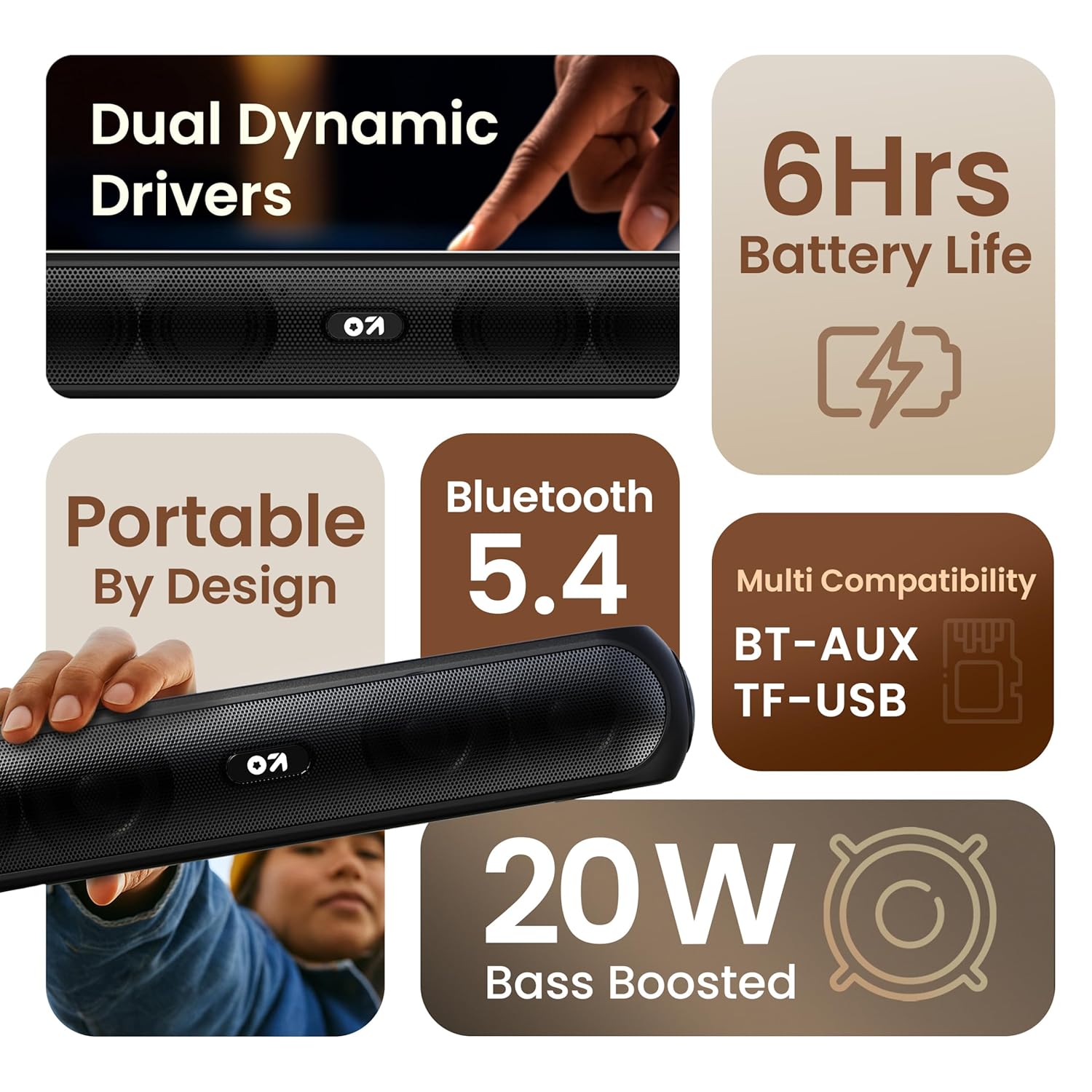
Foto 3.1: Ofeview of the speaker's main features.
3.2 Njikwa na ọdụ ụgbọ mmiri
Familiarize yourself with the control buttons and input ports on your speaker.
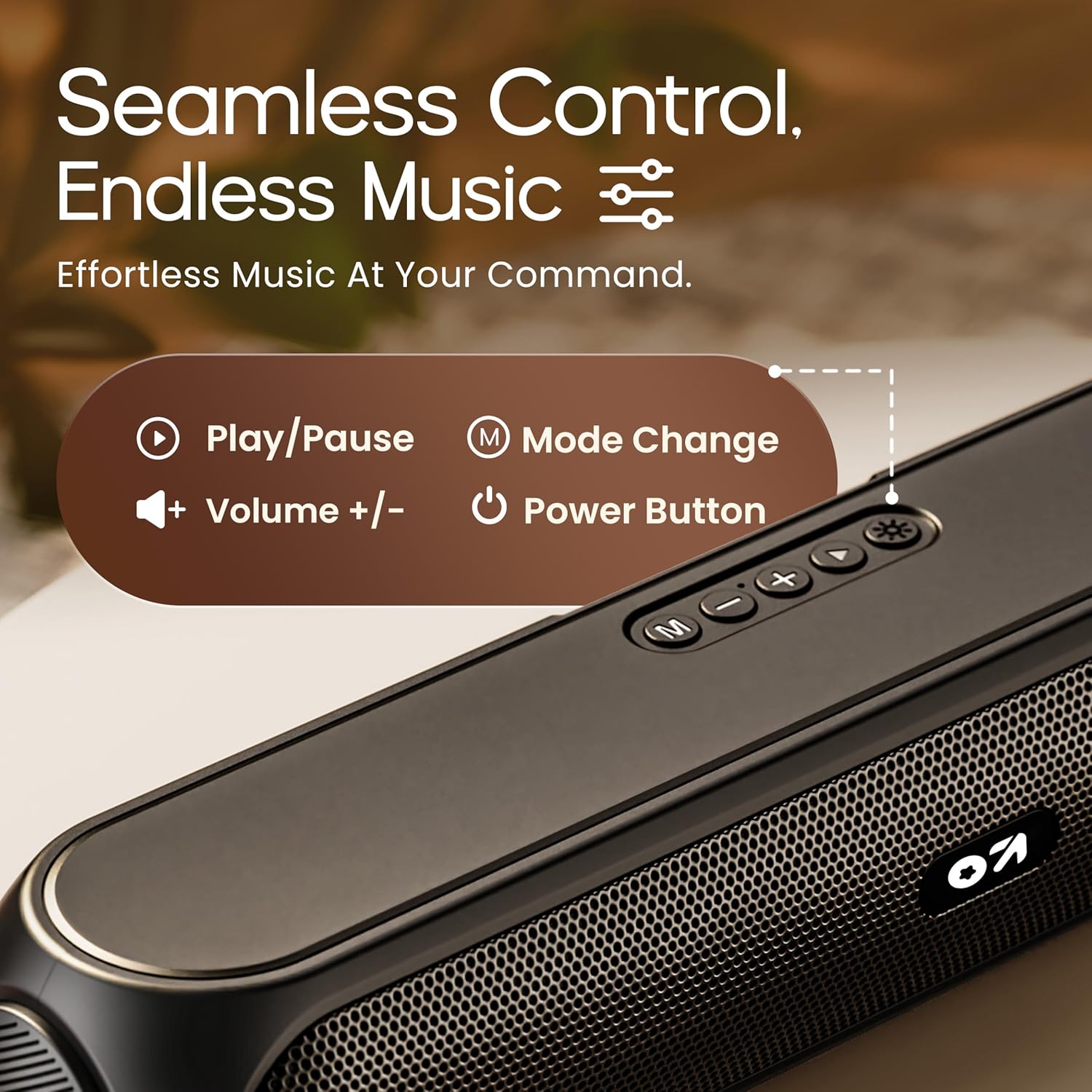
Image 3.2: Top control panel with Play/Pause, Volume, Mode, and Power buttons.
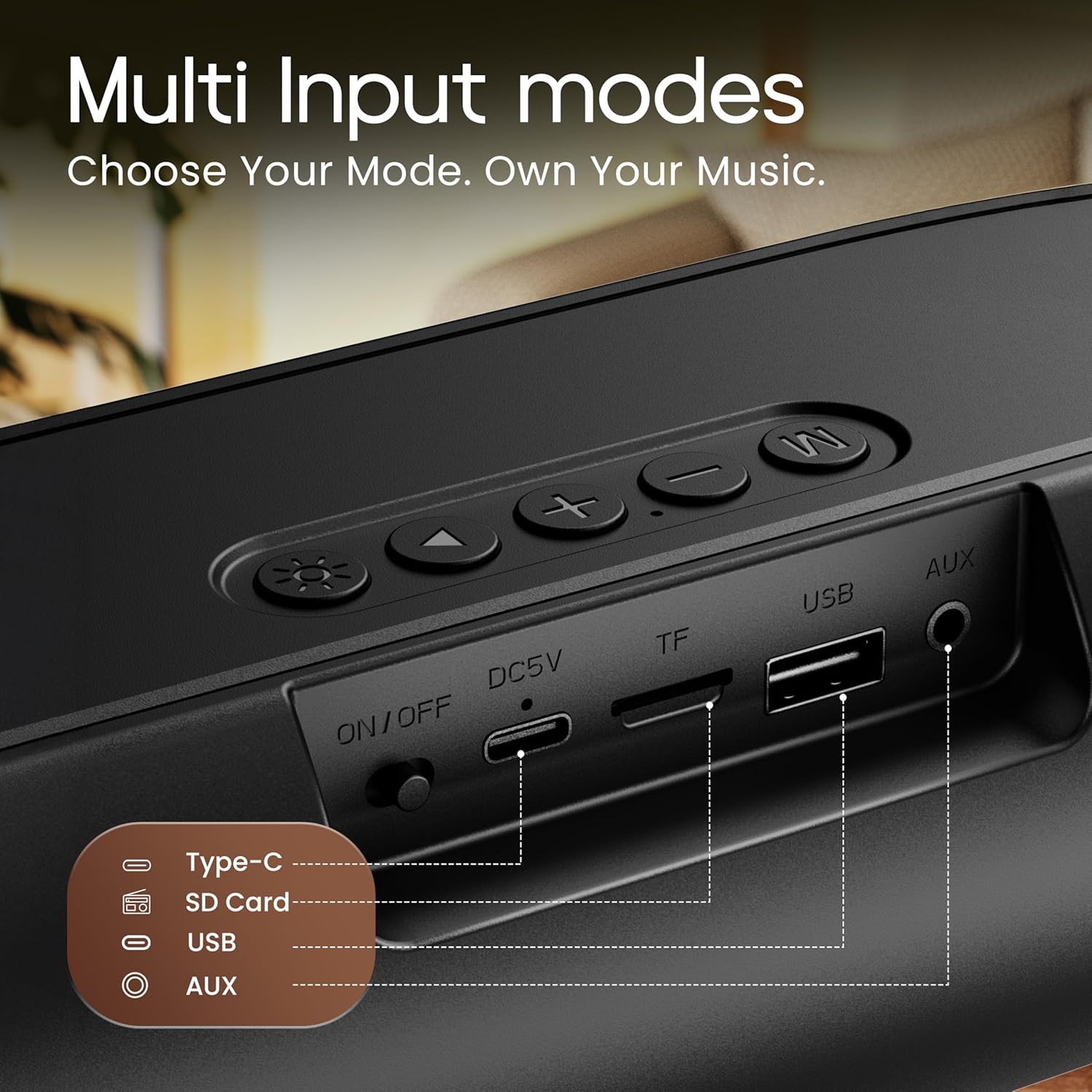
Image 3.3: Rear input panel showing Type-C, TF Card, USB, and AUX ports, along with the ON/OFF switch.
- Bọtịnụ ike: Press and hold to power on/off. Short press to change LED light modes (if applicable).
- Bọtịnụ Ụdị (M): Short press to switch between Bluetooth, AUX, TF Card, and USB modes.
- Bọtịnụ Kwụsị/Kwụsị: Pịa obere oge iji kpọọ ma ọ bụ kwụsịtụ ọdịyo.
- Elu elu (+): Obere pịa ka iwelie olu. Pịa ogologo maka egwu ọzọ.
- Mpịakọta ọnụ (-): Obere pịa ka ibelata olu. Pịa ogologo maka egwu gara aga.
- Ụdị-C Port: Maka ịchaji ọkà okwu.
- Oghere TF Kaadị: Insert a TF (MicroSD) card for direct audio playback.
- Ọdụ ụgbọ mmiri USB: Insert a USB drive for direct audio playback.
- Ọdụ ụgbọ mmiri AUX: Jikọọ ngwaọrụ ọdịyo mpụga site na eriri ọdịyo 3.5mm.
- Gbanyụọ/gbanyụọ Main power switch for the device.
4. Nhazi
4.1 Ịchaji ọkà okwu
Before first use, fully charge the speaker. Use the provided Type-C charging cable.
- Connect the Type-C end of the charging cable to the speaker's Type-C port.
- Connect the USB-A end of the charging cable to a 5V USB power adapter (not included) or a computer's USB port.
- Ọkụ ihe ngosi chaja ga-enwu. Ọ ga-agbanyụ ma ọ bụ gbanwee agba ozugbo chajịchara ya nke ọma.
A full charge typically takes approximately 2-3 hours and provides up to 6 hours of playtime.
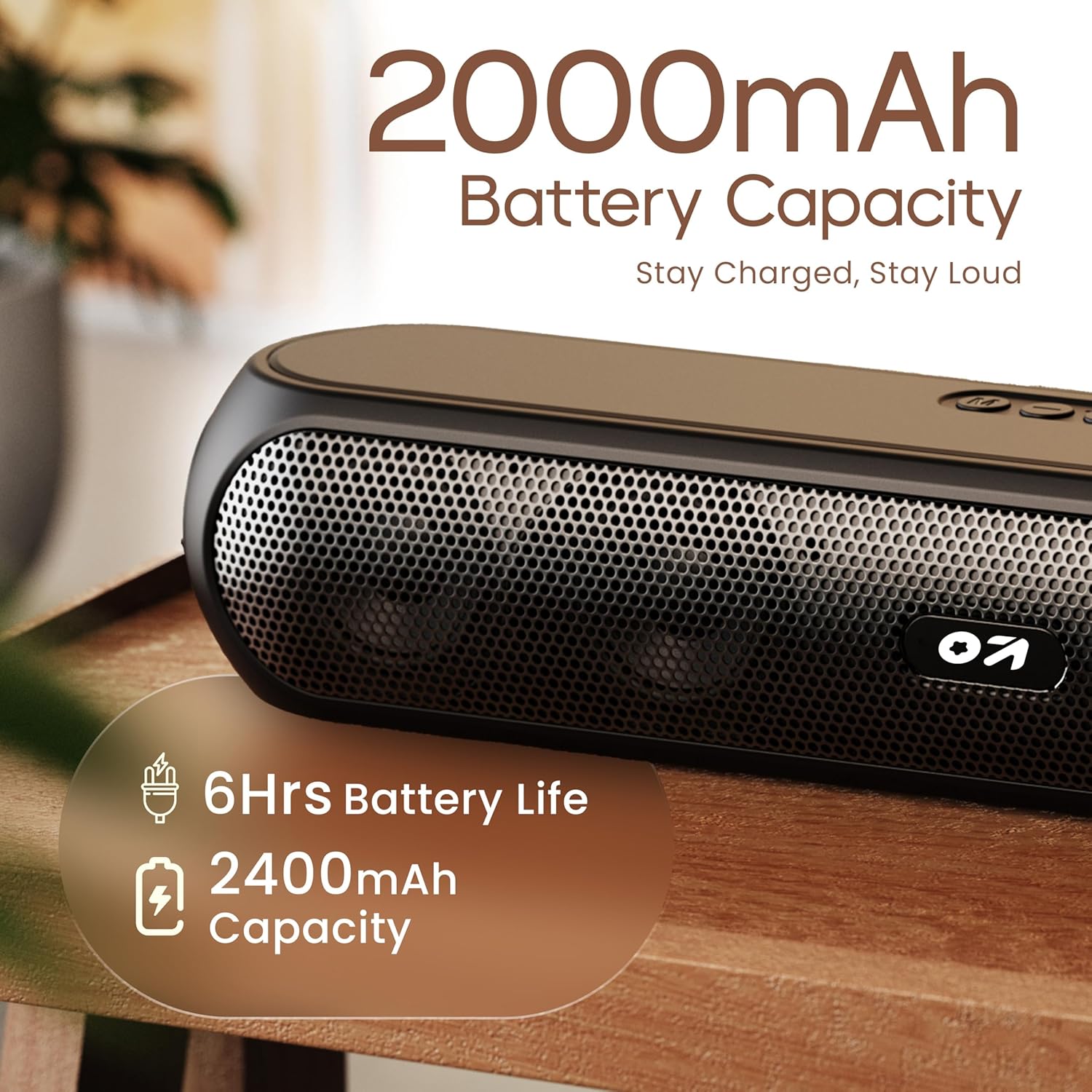
Image 4.1: Battery capacity and estimated playtime.
4.2 Gbanyụọ ma ọ bụ gbanyụọ
- To power on, slide the ON/OFF switch to the 'ON' position, then press and hold the Power button on the top panel until the indicator light turns on.
- To power off, press and hold the Power button until the indicator light turns off.
4.3 Njikọ Bluetooth
After powering on, the speaker will automatically enter Bluetooth pairing mode if no other device is connected. The Bluetooth indicator will flash.
- Ensure the speaker is powered on and in Bluetooth mode (indicator flashing).
- Na ngwaọrụ gị (smartphone, tabletị, laptọọpụ), gbanye Bluetooth wee chọọ ngwaọrụ dị.
- Select "GOBOULT Bassbox X20" from the list of devices.
- Once connected, the speaker will emit a confirmation sound, and the Bluetooth indicator will stop flashing and remain solid.
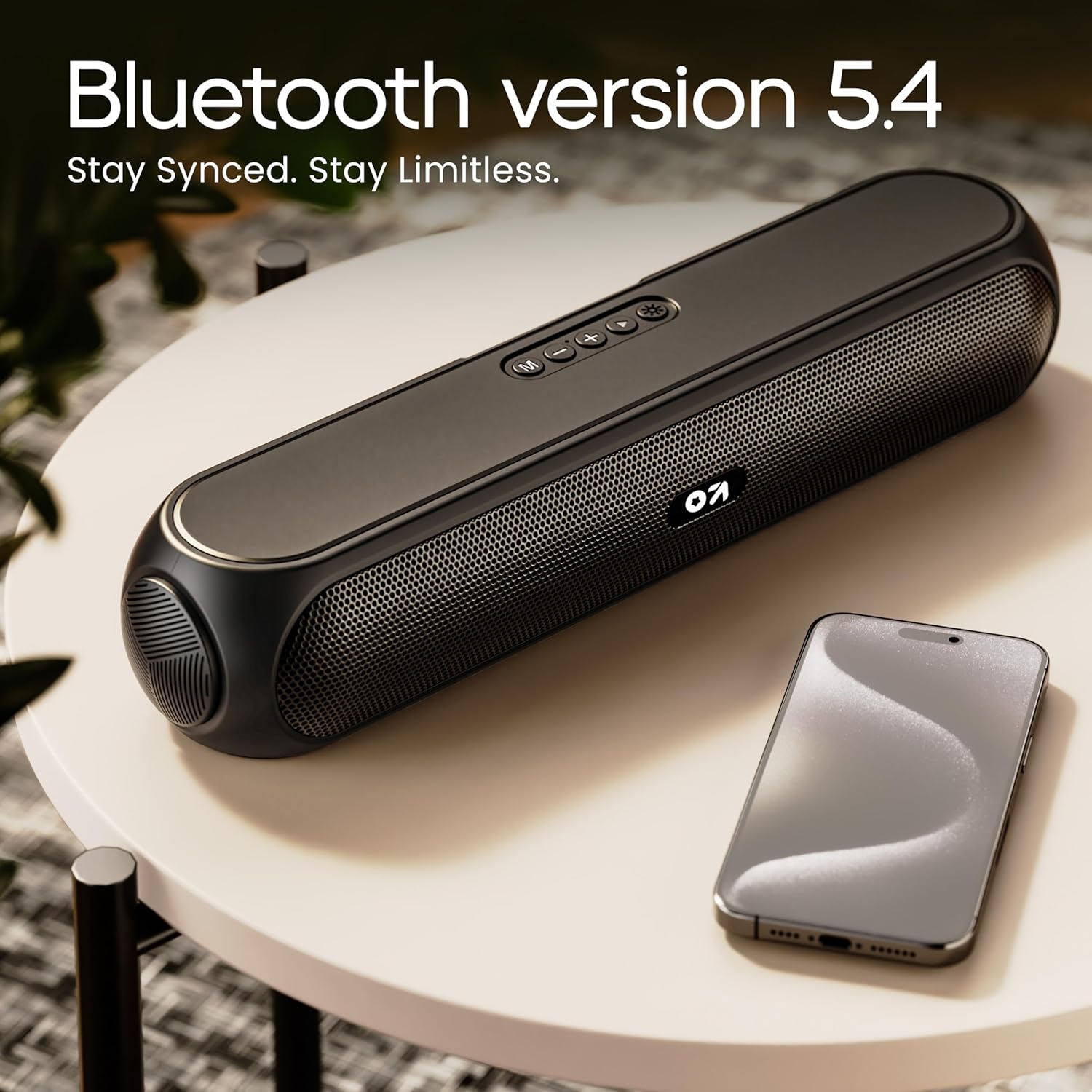
Image 4.2: Bluetooth 5.4 connectivity for seamless pairing.
4.4 Ezi ikuku stereo (TWS) ijikọ
The TWS function allows you to connect two GOBOULT Bassbox X20 speakers for a stereo sound experience.
- Ensure both Bassbox X20 speakers are powered on and not connected to any Bluetooth device.
- On one speaker (this will be the primary speaker), double-press the Mode (M) button. It will emit a sound indicating it's searching for another TWS speaker.
- The second speaker will automatically connect to the primary speaker. Once connected, both speakers will emit a confirmation sound.
- Now, connect your device to the primary speaker via Bluetooth as described in Section 4.3. Audio will play in stereo through both speakers.
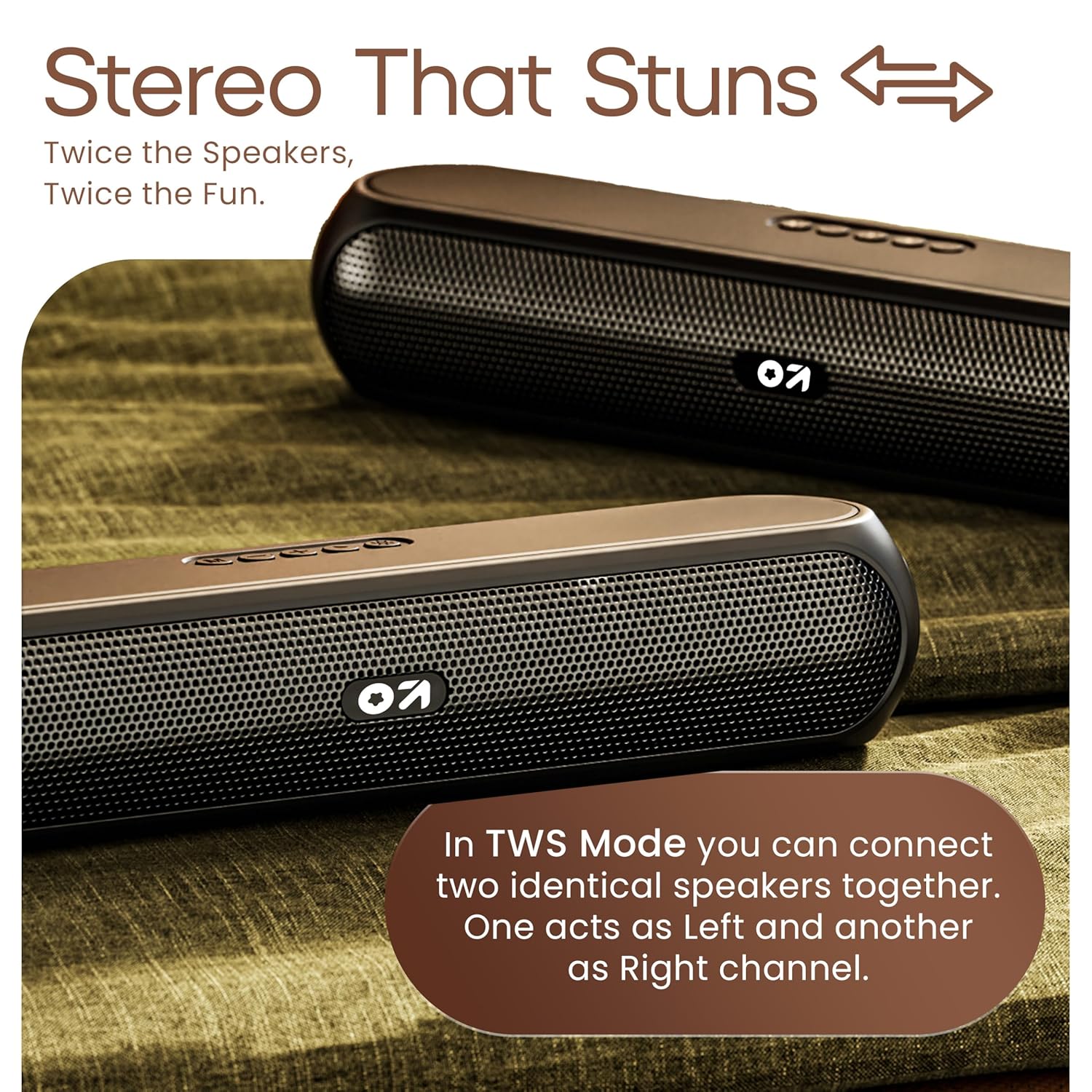
Image 4.3: TWS mode for connecting two speakers.
5. Ọrụ
5.1 Ụdị mgbanwe
Pịa Ụdị (M) button to cycle through available input modes: Bluetooth, AUX, TF Card, and USB.
5.2 Ọnọdụ Bluetooth
After successful pairing (Section 4.3), you can stream audio wirelessly from your connected device. Use the speaker's volume controls or your device's volume controls to adjust the sound level.
5.3 Ụdị AUX
- Connect one end of a 3.5mm audio cable (not included) to the speaker's AUX port.
- Connect the other end to the audio output jack of your external device (e.g., MP3 player, computer).
- Pịa Ụdị (M) bọtịnụ ruo mgbe ọkà okwu ahụ banyere n'ọnọdụ AUX.
- Control playback and volume from your external device or the speaker's controls.
5.4 TF Card / USB Mode
- Insert a TF (MicroSD) card or a USB drive containing audio files into the respective port on the speaker.
- The speaker will automatically switch to TF Card or USB mode and begin playing audio. If not, press the Ụdị (M) bọtịnụ ka ịhọrọ ọnọdụ ziri ezi.
- Use the speaker's controls to play/pause, skip tracks, and adjust volume.
6. Nlekọta
- Keep the speaker away from water, moisture, and extreme temperatures. While water-resistant, it is not waterproof.
- Jiri akwa dị nro hichaa ọkà okwu. Ejila ihe nchacha abrasive ma ọ bụ ihe mgbaze.
- Zere idobe ma ọ bụ idobe ọkà okwu na mmetụta siri ike.
- When not in use for extended periods, store the speaker in a cool, dry place and charge it periodically to maintain battery health.
7. Nchọpụta nsogbu
| Nsogbu | Ihe nwere ike ime | Ngwọta |
|---|---|---|
| Ọkà okwu anaghị agba ọkụ. | Low battery. Main power switch off. | Charge the speaker. Ensure the ON/OFF switch is in the 'ON' position. |
| Enweghị ike ijikọ site na Bluetooth. | Speaker not in pairing mode. Device Bluetooth off. Too far from speaker. | Ensure speaker is in Bluetooth pairing mode (flashing indicator). Enable Bluetooth on your device. Move device closer to speaker (within 10 meters). |
| Enweghị ụda. | Volume too low. Incorrect mode selected. Cable not connected properly (AUX). | Increase volume on speaker and device. Press 'M' button to select correct input mode. Reconnect AUX cable securely. |
| Njikota TWS ada ada. | Speakers already connected to other devices. | Disconnect both speakers from any Bluetooth devices before attempting TWS pairing. Ensure both speakers are Bassbox X20 models. |
8. Nkọwapụta
| Njirimara | Nkọwa |
|---|---|
| Aha Nlereanya | Bassbox X20 |
| Ụdị Ọkà Okwu | Ọkà okwu Bluetooth nwere ike ibugharị |
| Ike mmepụta | 20 Watt |
| Ụdị Bluetooth | 5.4 |
| Oke Bluetooth | Ruo mita 10 (ụkwụ 33) |
| Nhọrọ njikọta | Bluetooth, Auxiliary (3.5mm), USB, TF Card |
| Ụdị batrị | Lithium polymer |
| Ndụ batrị | Ruo awa 6 (na olu 70%) |
| Nchaji ọdụ ụgbọ mmiri | Type-C (DC5V) |
| Akụkụ ngwaahịa | 89D x 38W x 68H Millimeters |
| Ibu Ibu | 655 grams |
| Ọkwa Nguzogide mmiri | Water Resistant (not waterproof) |
| Ngwa gụnyere | X20 Soundbar, User Manual, Warranty Card, Charging Cable |
9. Akwụkwọ ikike na nkwado
The GOBOULT Bassbox X20 Bluetooth Speaker comes with a Akwụkwọ ikike nke Onye nrụpụta afọ 1 site na ụbọchị ịzụrụ. Akwụkwọ ikike a na-ekpuchi ntụpọ nrụpụta na arụ ọrụ n'okpuru ojiji nkịtị.
For warranty claims, technical support, or any inquiries, please refer to the contact information provided on your warranty card or visit the official GOBOULT websaịtị.
Biko debe akwụkwọ nnata ịzụrụ ihe gị dị ka ihe akaebe nke ịzụrụ ihe maka ebumnuche nkwa.


