1. Okwu mmalite
The SenseCAP Solar Node P1-Pro is a solar-powered LoRa Meshtastic node designed for outdoor long-range wireless communication and GPS tracking. It offers a robust solution for off-grid and remote deployments, ensuring continuous power supply through its built-in solar panel and rechargeable battery.
Key features include seamless integration with the open-source Meshtastic project for reliable long-range communication, integrated GPS for accurate location tracking, and a weatherproof enclosure for durability in diverse outdoor conditions. Powered by the ESP32-S3 microcontroller, it provides efficient performance for IoT and mesh networking applications, with customization options available through Arduino, PlatformIO, or ESP-IDF environments.
2. Kedu ihe dị na Igbe ahụ
The SenseCAP Solar Node P1-Pro package includes the following components:
- SenseCAP Solar Node P1-Pro device
- 2dBi, 868-915MHz rubber rod antenna
- Universal joint bracket for angle adjustment
- Njikọ njide
- RF Cable: RP-SMA Male to RF-SMA Female, 300mm
- Hoop bracket
- mgbanaka Hoop
- USB-C cable for charging and data transfer
- Mounting screws and nuts
3. Nhazi
3.1. Unboxing na akụrụngwa gafereview
Upon unboxing, familiarize yourself with the SenseCAP Solar Node P1-Pro and its accessories. The device is designed for easy assembly and deployment.

Figure 1: SenseCAP Solar Node P1-Pro highlighting long-term outdoor use, 9KM communication range, pole/wall mountability, and 5W+ battery dual power.
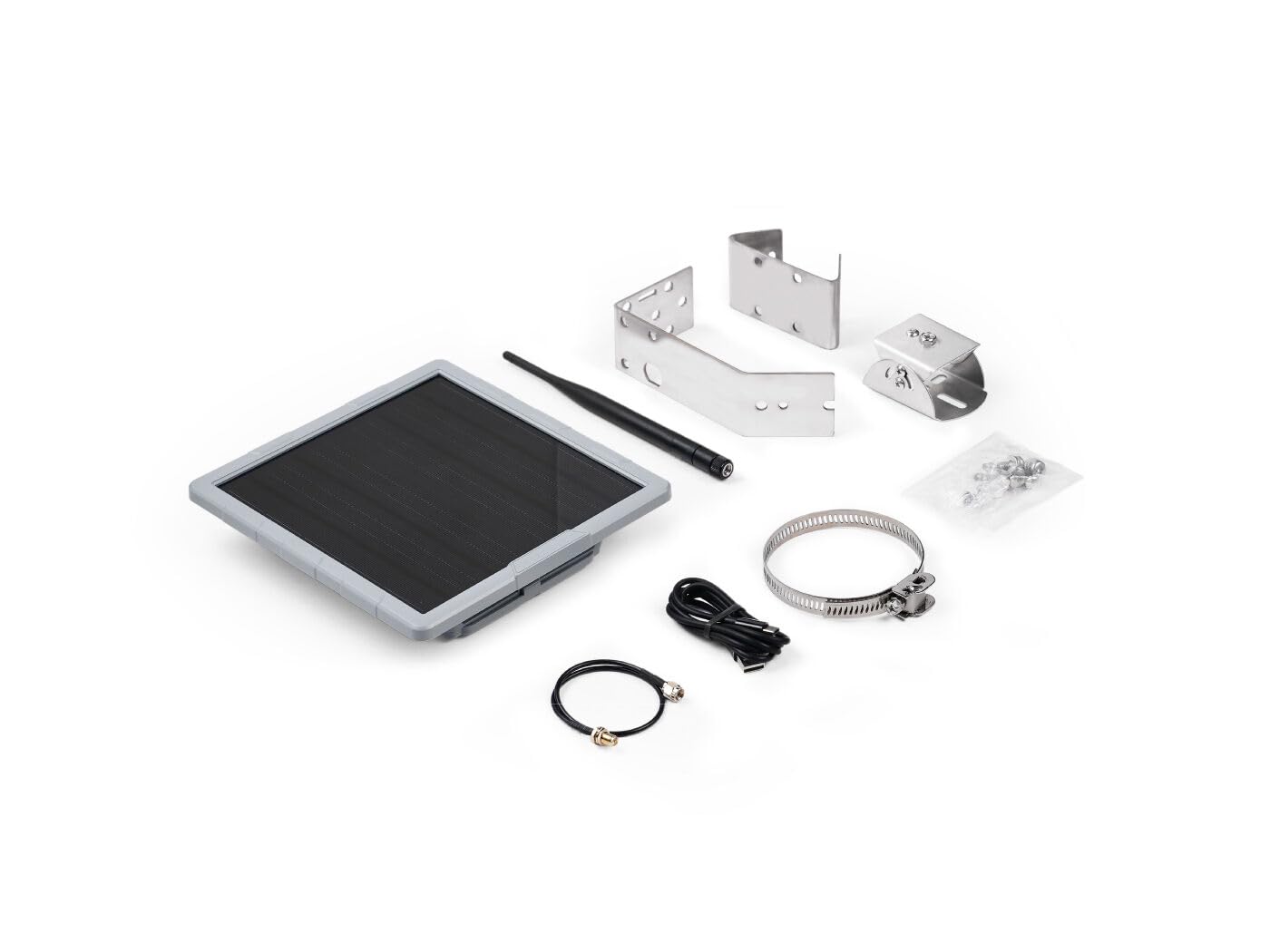
Foto 2: N'ihu view of the SenseCAP Solar Node P1-Pro, showcasing its solar panel.
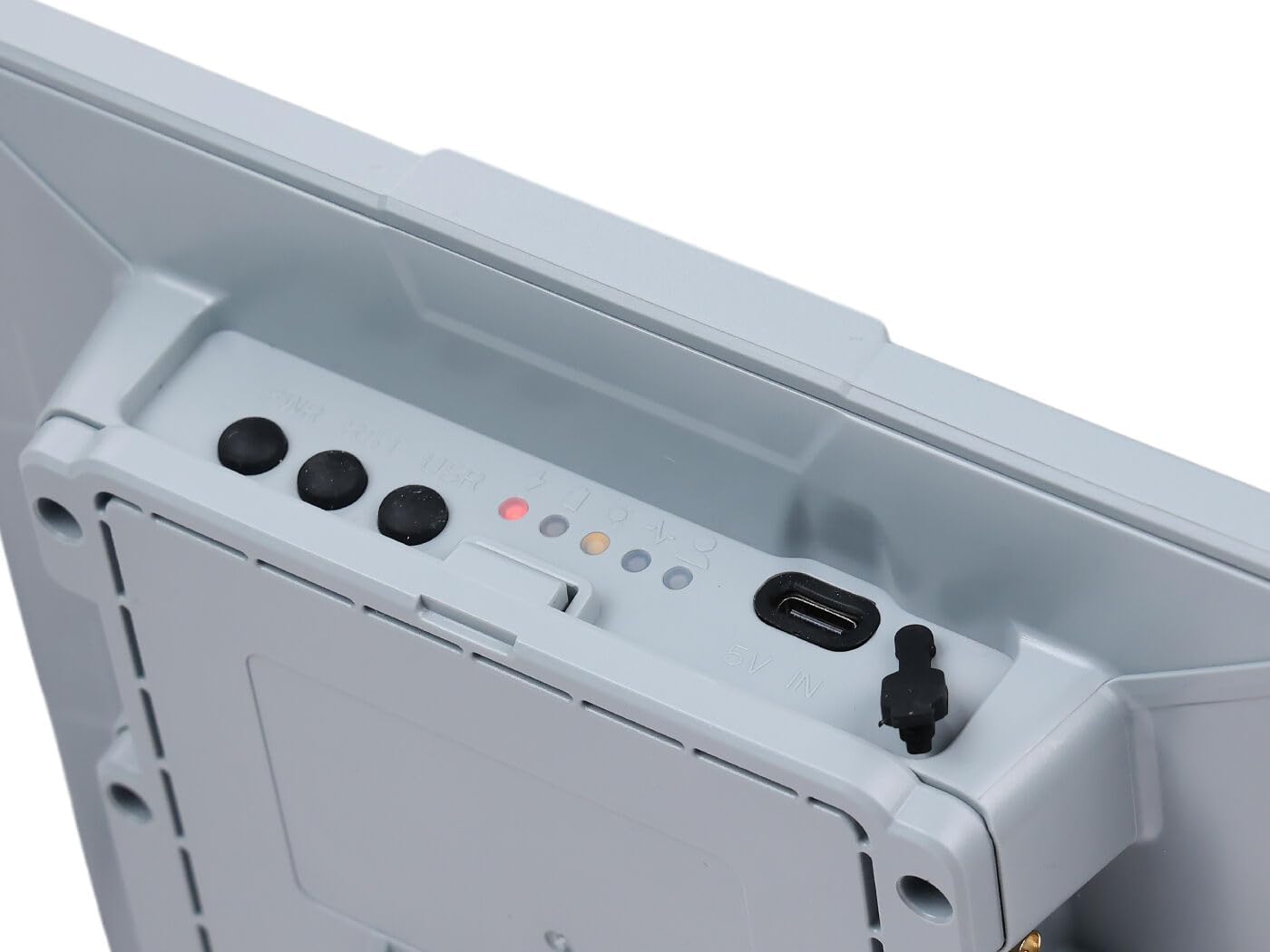
Foto 3: Akụkụ view of the SenseCAP Solar Node P1-Pro showing USB-C port, power button, reset button, and LED indicators.
Figure 4: Diagram illustrating the various accessories and interactive items of the SenseCAP Solar Node P1-Pro, including antenna, universal joint bracket, RF cable, hoop bracket, power switch, reset button, and LED indicators.
3.2. Mgbakọ ngwaike
Follow these steps to assemble the SenseCAP Solar Node P1-Pro for deployment:
- Attach the universal joint bracket to the back of the solar node using the provided screws. Ensure the small screw aligns with the bottom of the device where the USB-C port is located.
- Connect the RF cable to the antenna connector on the device.
- Attach the rubber rod antenna to the other end of the RF cable.
- Secure the hoop bracket and hoop ring to the universal joint bracket for pole mounting, if applicable.

Ọgụgụ 5: N'azụ view of the SenseCAP Solar Node P1-Pro, showing the mounting screw points for bracket attachment.

Figure 6: Step-by-step visual guide for installing the SenseCAP Solar Node P1-Pro onto a pole, showing attachment of the RF cable and securing the device.
3.3. Power Activation
To activate the device for the first time or after replacing the battery, connect the provided USB-C cable to the device's USB-C port and a power source. This will activate the battery protection circuit and initiate charging, indicated by the red LED. Once activated, the device can be powered on using the power button.
3.4. Mmelite ngwa ngwa
It is recommended to keep your device's firmware updated to ensure optimal performance and access to the latest features. Firmware updates can typically be performed via a web flasher tool by connecting the device to a computer.
Video 1: Instructions on how to flash firmware for the Wio Tracker L1 Pro, which uses a similar process for the SenseCAP Solar Node P1-Pro.
3.5. App Connection and Device Pairing
To utilize the full capabilities of your SenseCAP Solar Node P1-Pro, connect it to the Meshtastic application on your smartphone via Bluetooth. Ensure your device is powered on and within Bluetooth range.
Video 2: Demonstration of device pairing with the Meshtastic application and basic communication features.
4. Ntuziaka ọrụ
4.1. Gbanyụọ / gbanyụọ
To power on the device, press the power button once. The blue LED will light up for 1 second to indicate successful startup. To power off, press and hold the power button for 5 seconds; the blue LED will light up for 1 second to indicate successful shutdown.
4.2. Meshtastic Communication
Once connected to the Meshtastic app, you can send and receive messages, track locations, and manage your mesh network. The device supports long-range LoRa communication, ideal for off-grid scenarios.
4.3. GPS nsochi
The integrated GPS module allows for accurate location tracking. Your device's position can be shared within the Meshtastic network, enhancing situational awareness for outdoor activities or remote deployments.
5. Nlekọta
5.1. Ngbanwe batrị
To replace the internal battery, use a Button-top 18650 battery. Ensure the device is powered off before attempting battery replacement. After replacement, connect the USB-C cable to activate the new battery.
5.2. Nhicha na Nlekọta
The SenseCAP Solar Node P1-Pro features a weatherproof enclosure. Periodically clean the solar panel and device exterior with a soft, damp cloth to ensure optimal solar charging efficiency and prevent debris buildup. Avoid using harsh chemicals or abrasive materials.
6. Nchọpụta nsogbu
- Ngwaọrụ anaghị agba ọkụ: Ensure the battery is properly installed and activated by connecting the USB-C cable. Check for any physical damage to the power button or USB-C port.
- Enweghị njikọ ngwa: Verify Bluetooth is enabled on your smartphone and the SenseCAP device. Ensure the device is within range and try restarting both the device and the Meshtastic application. Check the device's LED indicators for status.
- Enweghị akara GPS: Ensure the device has a clear line of sight to the sky. GPS performance can be affected by obstructions or indoor environments.
- Okwu nzikọrịta ozi: Confirm that all devices in your mesh network are configured to the same LoRa region and frequency band. Check antenna connections for tightness.
- Mmelite Firmware Emeghị nke ọma: Refer to the firmware flashing video (Video 1) for detailed steps. Ensure a stable USB connection and follow the DFU mode instructions carefully.
7. Nkọwapụta
| Njirimara | Nkọwa |
|---|---|
| Akụkụ ngwaahịa | 9.05 x 2.75 x 11.81 inch (9.05"L x 2.75"W x 11.81"H) |
| Ibu Ibu | 3.32 pound |
| Onye nrụpụta | studio mkpụrụ |
| Nọmba Nlereanya ihe | 114993633-FA |
| Antenna | LoRa, GPS |
| Agba | Agba ntụ |
| Ọnụọgụ nke ọwa | 1 |
| Oke kacha | 31496 mita |
8. Akwụkwọ ikike & Nkwado
For warranty information and technical support, please contact Seeed Studio directly through their official webỌwa saịtị ma ọ bụ ọrụ ndị ahịa. Debe risit ịzụrụ ihe gị maka nkwupụta nkwa.
Additional resources and community support for Meshtastic-compatible devices can often be found on the Meshtastic project website and forums.


