1. Okwu mmalite
Thank you for choosing the Taiahiro Bk6301 Wireless Mechanical Gaming Keyboard and Mouse Combo. This manual provides detailed instructions for setting up, operating, and maintaining your new peripheral devices. This combo offers versatile connectivity options including 2.4G wireless, Bluetooth 5.0, and wired USB-C, ensuring compatibility with various devices.
2. Ihe ngwugwu
Biko chọpụta na ihe niile dị na ngwugwu gị:
- Taiahiro Bk6301 Wireless Mechanical Gaming Keyboard
- Taiahiro Wireless Gaming Mouse
- USB 2.4G Receiver (stored in mouse battery compartment)
- USB-C ka USB-A Nchaji/USB data
- Akwụkwọ ntuziaka onye ọrụ
- 1 AA Battery (for mouse, may be pre-installed or included separately)

Image 2.1: Contents of the Taiahiro Bk6301 Keyboard and Mouse Combo package, including the keyboard, mouse, USB receiver, and USB-C cable.
3. Ngwaahịa gafereview
3.1 Atụmatụ ahụigodo
- 98-Igodo Nhazi: Compact design with a full numeric keypad.
- Mechanical Blue Switches: Provide tactile and audible feedback for typing.
- RGB ọkụ azụ: Customizable lighting effects.
- Adjustable Keyboard Stand: Allows for ergonomic positioning.
- Multi-Mode Connectivity: Supports 2.4G wireless, Bluetooth 5.0, and wired USB-C.
- Batrị enwere ike ịchaji: Built-in 2000mAh battery for wireless operation.
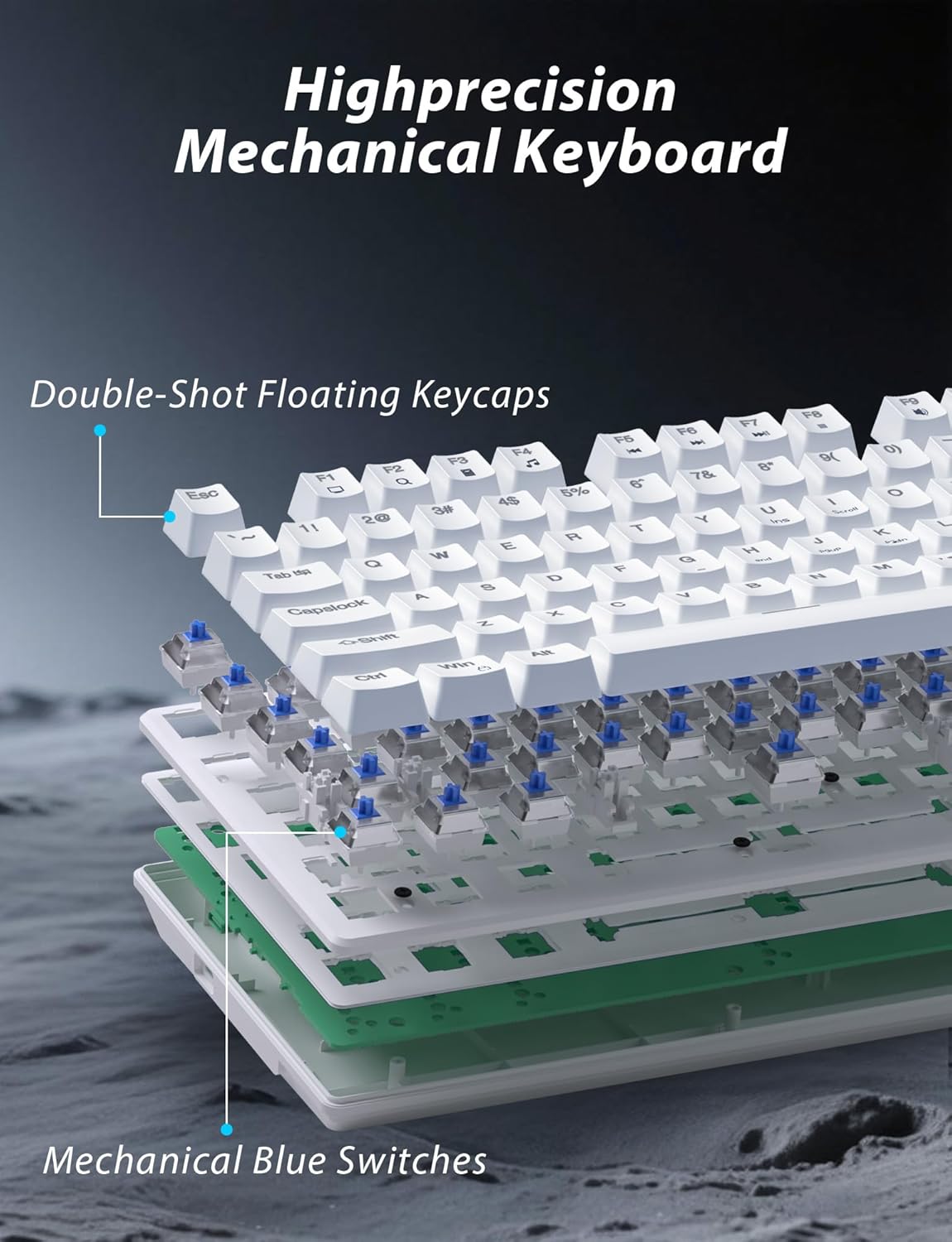
Foto nke abụọ: gbawara view illustrating the internal structure of the mechanical keyboard, highlighting the double-shot floating keycaps and mechanical blue switches.

Foto 3.2: Akụkụ view of the keyboard demonstrating its ergonomic design and adjustable stand for comfortable use.
3.2 Atụmatụ òké
- Nhazi Ergonomic: Shaped for comfortable grip.
- DPI nwere ike imeghari: Four levels (800/1600/2400/3200) for precision control.
- Bọtịnụ Ihu/Azụ: Convenient side buttons for navigation.
- Njikọta ụdị abụọ: Supports 2.4G wireless and Bluetooth.
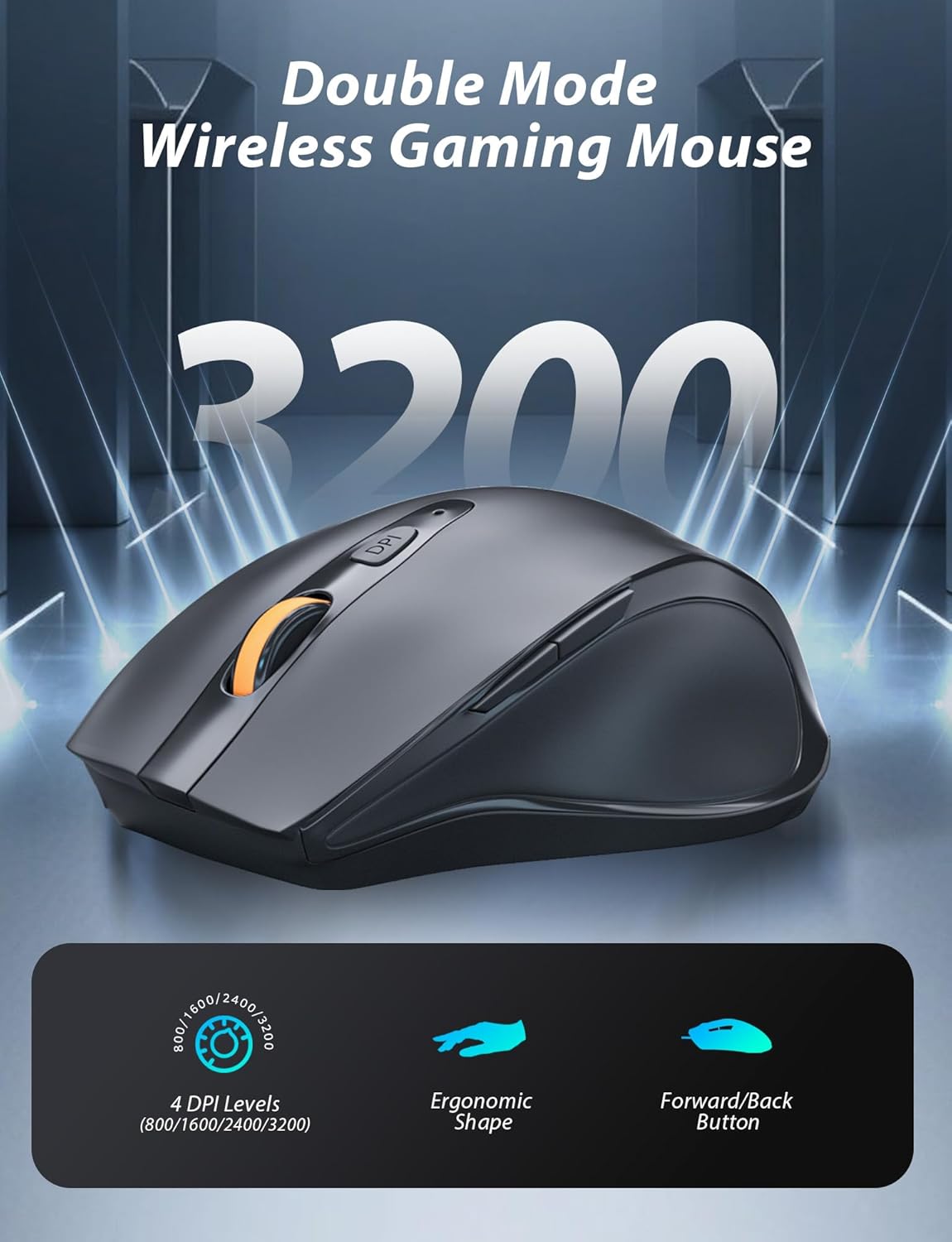
Image 3.3: The wireless gaming mouse, highlighting its ergonomic shape and four adjustable DPI levels.
4. Nhazi ntuziaka
4.1 Keyboard Connection
The keyboard supports three connection modes: 2.4G wireless, Bluetooth, and wired USB-C.

Image 4.1: The keyboard displaying its three connectivity options: Bluetooth, 2.4GHz wireless, and USB-C wired connection.
Ọnọdụ ikuku 2.4G:
- Locate the USB 2.4G receiver, typically stored in the mouse's battery compartment.
- Fanye eriri USB n'ọdụ ụgbọ mmiri dị na kọmputa gị.
- On the keyboard, slide the mode switch (usually located on the top edge or bottom) to the '2.4G' position.
- Igodo ahụ kwesịrị ijikọ na akpaghị aka.
Ọnọdụ Bluetooth:
- Slide the mode switch on the keyboard to the 'BT' (Bluetooth) position.
- The keyboard's indicator light will flash, indicating it is in pairing mode.
- On your device (computer, laptop, smartphone), open Bluetooth settings and search for new devices.
- Select "Taiahiro Bk6301" or a similar name from the list of available devices to pair.
- Ozugbo ejikọtara ya, ìhè ihe ngosi ahụ ga-esi ike.
Wired USB-C Mode:
- Jikọọ eriri USB-C enyere na ọdụ ụgbọ USB-C nke ahụigodo.
- Connect the other end (USB-A) to an available USB port on your computer.
- The keyboard will function as a wired device and will charge simultaneously.
4.2 Mouse Connection
The mouse supports 2.4G wireless and Bluetooth connectivity.

Image 4.2: The underside of the mouse, illustrating the battery compartment for one AA battery and the storage slot for the tiny USB receiver.
Nwụnye batrị:
- Mepee ebe batrị dị n'okpuru òké ahụ.
- Insert one AA battery, ensuring correct polarity.
- Mechie oghere batrị.
Ọnọdụ ikuku 2.4G:
- Ensure the USB 2.4G receiver is plugged into your computer.
- Slide the mode switch on the underside of the mouse to the '2.4G' position.
- The mouse should automatically connect.
Ọnọdụ Bluetooth:
- Slide the mode switch on the underside of the mouse to the 'BT' (Bluetooth) position.
- The mouse will enter pairing mode.
- On your device, open Bluetooth settings and search for new devices.
- Select "Taiahiro Mouse" or a similar name from the list to pair.
5. Ntuziaka ọrụ
5.1 Ọrụ ahụigodo
Njikwa ọkụ azụ:
The keyboard features customizable RGB backlighting.
- Gbanwee Ụdị Ọkụ Azụ: Pịa Fn + Ụlọ iji gbasaa site na mmetụta ọkụ iri na itoolu dị iche iche.
- Gbanwee ihie: Pịa Fn + ↑ (akụ elu) or Fn + ↓ (akụ ala) to adjust between 5 brightness levels.
- Gbanwee ọsọ: Pịa Fn + ← (Ụka aka ekpe) or Fn + → (Ụka akanri) to adjust between 5 lighting speed levels.

Image 5.1: Keyboard layout highlighting the function key combinations for controlling backlight modes, brightness, and speed.
Ọrụ mgbasa ozi:
Nweta njikwa multimedia site na ịpị bọtịnụ Fn key in combination with the designated F-keys (F1-F12).
- Fn+F1: Ihe ọkpụkpọ mgbasa ozi
- Fn+F2: Mpịakọta ọnụ
- Fn+F3: Elu elu
- Fn+F4: Ogbi
- Fn+F5: Kwụsị
- Fn+F6: Egwu gara aga
- Fn+F7: Gwuo/kwụsịtụ
- Fn+F8: Track na-esote
- Fn+F9: Email
- Fn+F10: Web Ihe nchọgharị
- Fn+F11: Kọmputa m
- Fn+F12: Ihe mgbako
5.2 Ọrụ òké
Ndozi DPI:
Pịa DPI bọtịnụ (located behind the scroll wheel) to cycle through the four DPI settings: 800, 1600, 2400, and 3200. Each press changes the sensitivity, allowing you to adjust cursor speed to your preference.
6. Nlekọta
6.1 Nhicha
- Ahụigodo: Use a soft, dry cloth to wipe the surface. For deeper cleaning, use compressed air to remove debris from between keys. Avoid using harsh chemicals or abrasive materials.
- Òké: Jiri nwayọ hichapụ elu òké ahụ, dị ntakịrị damp cloth. Ensure no liquid enters the internal components.
6.2 Njikwa batrị
- Ahụigodo: The keyboard has a built-in rechargeable battery. Connect the USB-C cable to a power source (e.g., computer USB port, USB wall adapter) to charge. The indicator light will show charging status.
- Òké: The mouse uses one AA battery. Replace the battery when the mouse performance degrades or it stops responding. Ensure proper polarity when inserting a new battery.
7. Nchọpụta nsogbu
If you encounter issues with your Taiahiro keyboard and mouse combo, please refer to the following solutions:
| Nsogbu | Ngwọta enwere ike |
|---|---|
| Keyboard/Mouse not responding (2.4G) |
|
| Keyboard/Mouse not connecting (Bluetooth) |
|
| Keyboard backlight not working or stuck |
|
| Igodo anaghị aza ma ọ bụ na-ede ihe ugboro abụọ |
|
8. Nkọwapụta
| Njirimara | Nkọwa |
|---|---|
| Nọmba nlereanya | Bk6301 |
| Njikọta | Bluetooth 5.0, Ikuku 2.4G, eriri USB-C |
| Ụdị ahụigodo | Igwe eji egwu igwe |
| Nhazi igodo | 98 Keys (with Numeric Keypad) |
| Ngbanwe Ụdị | Igwe igwe na-acha anụnụ anụnụ |
| Ìhè azụ kiiboodu | RGB (18 modes, 5 brightness, 5 speed levels) |
| Batrị ahụigodo | 2000mAh nwere ike ịchaji |
| Ọkwa DPI òké | 800/1600/2400/3200 |
| Batrị òké | 1 x AA batrị |
| Ngwa dakọtara | Personal Computer, Laptop, Smartphone |
| Ibu Ibu | 2.72 paụnd (njikọ) |
| Akụkụ ngwugwu | 15 x 5.59 x 3.11 sentimita asatọ |
9. Akwụkwọ ikike na nkwado
9.1 Ozi akwụkwọ ikike
Taiahiro products are covered by a limited warranty from the date of purchase. Please refer to the warranty card included in your package or visit the official Taiahiro website for detailed warranty terms and conditions. This warranty typically covers manufacturing defects and material faults under normal use.
9.2 Nkwado ndị ahịa
For technical assistance, troubleshooting, or any questions regarding your Taiahiro Bk6301 combo, please contact our customer support team. You can find contact information on the Taiahiro official website or through your purchase platform. When contacting support, please have your product model number (Bk6301) and purchase details ready.


