1. Okwu mmalite
Daalụ maka ịzụrụasing the Voyager Bluey 12V Electric Go Kart. This manual provides essential information for the safe assembly, operation, and maintenance of your new ride-on toy. Please read all instructions carefully before use and retain this manual for future reference. This product is designed for children aged 3 to 6 years.
2. Ozi nchekwa
WARNING: Use as Directed. Adult supervision is required at all times.
- Always ensure the child wears a helmet and appropriate safety gear.
- Operate the go-kart only on flat, dry surfaces away from traffic, swimming pools, or steep inclines.
- Ensure the seat belt is securely fastened before each use.
- Do not allow more than one rider at a time.
- Chebe aka, ntutu isi na uwe ka akụkụ ahụ na-akpụ akpụ.
- Never modify the electrical system or components of the go-kart.

Image 2.1: The Voyager Bluey 12V Electric Go Kart, ready for use.
3. Ihe ngwugwu
Please check the package contents to ensure all parts are present:
- Bluey 12V Electric Go Kart body
- Ụgbọ ala
- Wheel (4)
- Axles and Fasteners
- 12V batrị enwere ike ịchaji
- Chaja batrị
- Akwụkwọ ntuziaka
- Australian Flag accessory
4. Mgbakọ na Ntọala
Assembly typically requires a Phillips head screwdriver and takes approximately 30-60 minutes. Follow these general steps:
- Tinye wiilị: Securely attach all four wheels to the axles using the provided fasteners.
- Wụnye wiilụ ịkwọ ụgbọala: Connect the steering wheel to the steering column, ensuring it clicks into place or is fastened according to specific instructions.
- Jikọọ batrị: Locate the battery compartment, typically under the seat. Connect the battery terminals (red to red, black to black).
- Attach Flag: Insert the Australian flag accessory into its designated slot at the rear of the go-kart.

Foto 4.1: N'ihu view of the go-kart highlighting key features like the 12V rechargeable battery, 4 mph max speed, rear drift wheels, and recommended age range of 3-7 years.
5. Ịchaji batrị
The go-kart is powered by a 12V rechargeable battery. For optimal performance and battery life, follow these charging instructions:
- Ebube mbụ: Before first use, charge the battery for a full 10-12 hours. Do not overcharge for more than 18 hours.
- Ịchaji mgbe niile: After each use, recharge the battery for 8-10 hours.
- Nchaji ọdụ ụgbọ mmiri: Locate the charging port, usually near the battery compartment or on the dashboard. Plug the charger into the port and then into a standard wall outlet.
- Ihe ngosi: The charger may have an indicator light to show charging status (e.g., red for charging, green for fully charged).
- Nchekwa: Always charge the battery in a dry, well-ventilated area. Do not allow children to handle the charger or battery.
6. Ntuziaka ọrụ
Familiarize yourself with the controls before allowing a child to operate the go-kart.
6.1. Njikwa
- Ike mgba ọkụ: Located on the dashboard, this switch turns the go-kart on or off.
- Ngbanwe na-atụgharị/atụgharị: Allows the go-kart to move forward or backward.
- Pedal ụkwụ: Press the foot pedal to accelerate. Release to brake.
- Ọkụ: The go-kart is equipped with vibrant lights for enhanced visibility and fun.
- MP3 Jack: Connect an external audio device to play music through the go-kart's speakers.
- Musical Steering Wheel: Features integrated musical functions for added entertainment.

Image 6.1: Detail of the Forward/Reverse switch and power button for intuitive control.
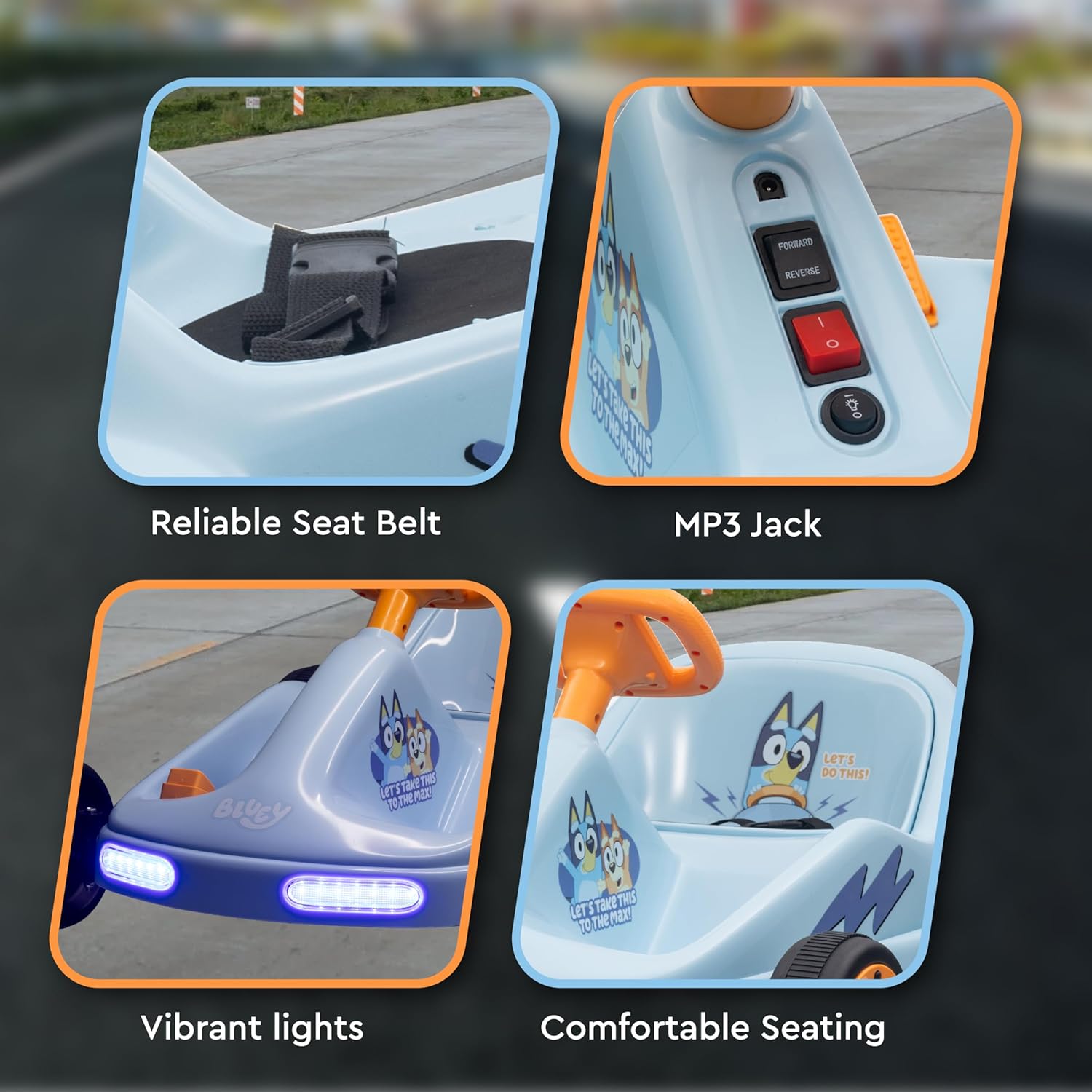
Foto 6.2: Zuru ezu view of the reliable seat belt, MP3 jack, vibrant front lights, and comfortable seating area.
6.2. Driving the Go Kart
- Ensure the child is seated properly and the seat belt is fastened.
- Gbanwuo ọkụ ọkụ.
- Select 'Forward' or 'Reverse' using the switch.
- Press the foot pedal to move. Release the pedal to stop.
- Steer using the steering wheel.

Image 6.3: The go-kart is suitable for operation on various surfaces including concrete, tile, asphalt roads, and wood floors.
7. Nlekọta
Regular maintenance ensures the longevity and safe operation of your go-kart.
- Nhicha: Wipe the go-kart with a soft, damp akwa . Ejila ihe nchacha abrasive ma ọ bụ ihe mgbaze.
- Nlekọta batrị: Always recharge the battery after each use. If storing for extended periods, charge the battery once a month to prevent deep discharge.
- Nchekwa: Store the go-kart in a dry, cool place away from direct sunlight and moisture.
- Nyocha: Periodically check all screws, nuts, and connections to ensure they are tight. Inspect wheels and tires for wear.
8. Nchọpụta nsogbu
If you encounter issues, refer to this section before contacting support.
| Nsogbu | Ihe nwere ike ime | Ngwọta |
|---|---|---|
| Go-kart does not move | Battery is low or not connected; Power switch is off; Forward/Reverse switch is in neutral position; Loose wire connection. | Charge the battery; Turn on the power switch; Select Forward or Reverse; Check all wire connections. |
| Go-kart moves slowly | Battery is low; Overloaded; Operating on an uneven surface. | Recharge the battery; Reduce weight; Move to a flat, smooth surface. |
| Ọkụ anaghị arụ ọrụ | Loose wire connection; Damaged bulb/LED. | Check wire connections to the lights; Contact customer support if damaged. |
9. Nkọwapụta
- Nọmba nlereanya: A12VGCLU241
- Akụkụ ngwaahịa: 24.2 x 16.5 x 28 sentimita asatọ
- Ibu ihe: 27.1 pound
- Batrị: 12V nwere ike ibugharị
- Ọsọ kachasị: Approximately 4 mph
- Afọ akwadoro: 3 years and up (typically 3-6 years)
- Ihe eji ewu ụlọ: Durable PVC and Iron
- Onye nrụpụta: Sakar International
10. Akwụkwọ ikike na nkwado
For warranty information or technical support, please refer to the warranty card included with your product or contact the manufacturer, Sakar International, directly. Keep your proof of purchase for any warranty claims.
Maka enyemaka ọzọ, ị nwere ike ịga na Voyager Store on Amazon.


