1. Okwu mmalite
Thank you for choosing the Hbada E1 Ergonomic Office Chair. This manual provides essential information for the safe and efficient assembly, operation, and maintenance of your new chair. Please read these instructions carefully before use and retain them for future reference.

Image 1.1: The Hbada E1 Ergonomic Office Chair in a modern office environment.
2. Ozi nchekwa
- Hụ na ihe niile dị na ya dị ma ghara imebi tupu e jikọta ha. Ejila ya ma ọ bụrụ na akụkụ ọ bụla efuola ma ọ bụ nwee nsogbu.
- Gbakọta oche ahụ n'elu ebe dị nro ma dị ọcha iji gbochie ọkọ.
- Tighten all screws firmly, but do not overtighten. Recheck tightness periodically.
- Akwụsịla n'oche ma ọ bụ jiri ya dị ka stool.
- Do not exceed the maximum weight capacity of approximately 120 kg (265 lbs).
- Debe ụmụaka ka ha ghara ịkwaga akụkụ ndị ọzọ n'oge nhazigharị.
- Jiri oche ahụ naanị maka ebumnuche ya dị ka oche ọfịs ma ọ bụ oche tebụl.
3. Ihe ngwugwu
Before beginning assembly, verify that all the following parts are included in your package:
- Mgbakọ azụ azụ
- Seat cushion assembly
- Isi oche
- Ogwe aka (2)
- Gas lift cylinder
- Star base
- Ndị na -akpụ akpụ (5)
- Mechanism plate
- Footrest (if included with model)
- Hardware pack (screws, washers, Allen wrench)
4. Ntọala na Mgbakọ
Assembly typically takes 30-45 minutes for one person. Having a second person can simplify certain steps, especially when attaching the backrest and armrests.
4.1. Mgbakọ nzọụkwụ site na nzọụkwụ
- Tinye ihe nkedo na ntọala: Tinye nke ọ bụla n'ime ihe nkedo ise ahụ n'ime oghere ndị dị na njedebe nke ntọala kpakpando ahụ ruo mgbe ha pịa ya nke ọma.
- Tinye Gas ebuli: Tinye silinda mmanụ ụgbọala n'ime oghere etiti nke ntọala kpakpando ahụ.
- Jikọọ usoro na oche: Secure the mechanism plate to the underside of the seat cushion using the provided screws. Ensure the front of the mechanism aligns with the front of the seat.
- Jikọọ Oche na Igwe Mbuli Gas: Jiri nlezianya tinye oche a kpọkọtara n'elu silinda mbuli gas.
- Tinye ogwe aka: Secure the armrests to the sides of the seat cushion using the designated screws. Note that the armrests are adjustable and may require careful alignment during this step.
- Tinye azụ azụ: Connect the backrest to the seat assembly. The Hbada E1 features a two-stage backrest height adjustment. During assembly, choose between the high or low bolt holes based on your height and preference to fix the backrest. This allows for personalized comfort.
- Install Headrest: Slide the headrest into the designated slot at the top of the backrest.

Image 4.1: Chair dimensions for reference during assembly and setup.
5. Ntuziaka ọrụ (Ndozigharị)
The Hbada E1 chair offers multiple adjustment options to customize your seating experience for optimal comfort and ergonomic support.
5.1. Ndozi elu oche
To adjust the seat height, pull the lever located under the right side of the seat upwards. While pulling the lever, lift your body weight off the seat to raise it, or remain seated to lower it. Release the lever to lock the height.
5.2. Nkwado nkwado Lumbar
The 2D lumbar support can be adjusted vertically by 4.5 cm and rotated by 45 degrees. This allows you to position the lumbar support precisely to match the curve of your lower back, providing targeted support and reducing fatigue.

Foto 5.1: Zuru ezu view of the adjustable lumbar support mechanism.
5.3. Ndozi ihe mkpuchi isi
The headrest can be adjusted vertically by 13 cm and rotated by 30 degrees. Adjust the headrest to support your neck and head comfortably, relieving pressure during long periods of sitting.

Image 5.2: Headrest adjustment options for personalized neck support.
5.4. Ndozi Ogwe Aka
The armrests can be adjusted vertically by 7 cm and rotated by 60 degrees. This allows you to find the ideal position to support your arms and shoulders, preventing strain, whether working or relaxing.
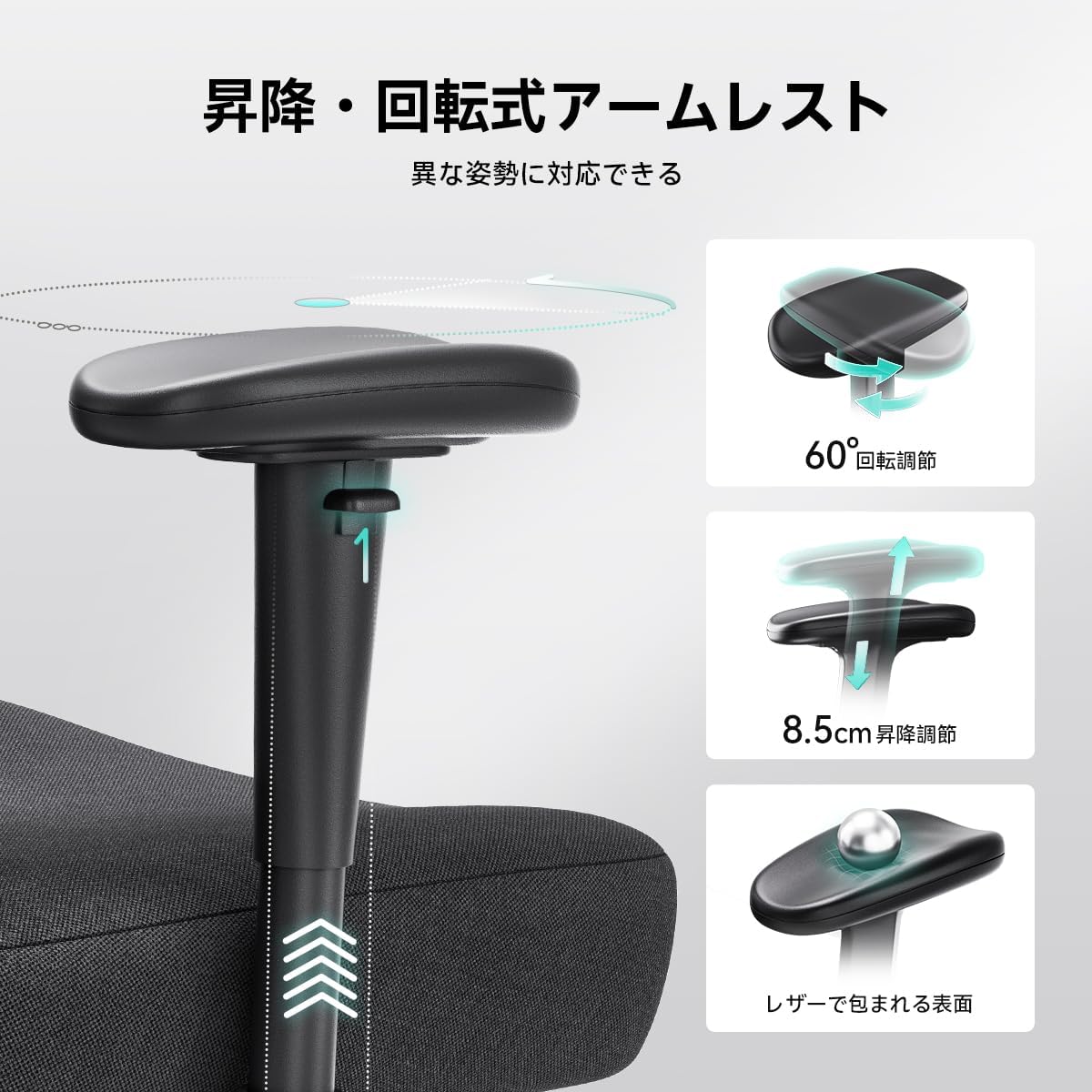
Image 5.3: Armrest adjustment features for various postures.
5.5. Reclining Function and Footrest
The chair features a reclining function that allows the backrest to tilt from 110 degrees to a maximum of 145 degrees. Use the lever on the left side of the seat to adjust and lock the recline angle. For enhanced relaxation, extend the integrated footrest. This feature is ideal for short breaks or extended periods of rest.

Image 5.4: The chair in its fully reclined position with the footrest deployed.
6. Nlekọta
Regular maintenance will help prolong the life and appearance of your Hbada E1 office chair.
- Nhicha: Maka ákwà na ákwà dị nro, jiri ákwà dị nro dampened with mild soap and water. Avoid harsh chemicals or abrasive cleaners. For the steel base and plastic parts, wipe with a damp akwa .
- Mmepe: Periodically check casters for accumulated dust or hair and clean them to ensure smooth movement.
- Akụrụngwa: Regularly inspect all screws and bolts to ensure they are tight. Retighten as necessary to prevent loosening and potential instability.
- Ebuli gas: Avoid exposing the gas lift to extreme temperatures or direct sunlight for extended periods.
7. Nchọpụta nsogbu
If you encounter any issues with your Hbada E1 chair, refer to the following common problems and solutions:
- Oche na-eti mkpu: Check all bolted connections and tighten any loose screws. Applying a small amount of silicone lubricant to moving parts (e.g., mechanism, gas lift connections) may also help.
- Chair Does Not Stay at Desired Height: This usually indicates an issue with the gas lift cylinder. Ensure the height adjustment lever is fully released. If the problem persists, the gas lift may need replacement.
- Oche Na-adị Ka Ọ Na-adịghị Mma/Na-ama jijiji: Verify that all screws are securely tightened, especially those connecting the backrest, armrests, and mechanism to the seat. Ensure the casters are fully inserted into the base.
- Difficulty Reclining/Locking Recline: Check the recline tension knob (if present, usually under the seat) and adjust it. Ensure the recline lock lever is fully engaged or disengaged.
Ọ bụrụ na ngwọta ndị a edozighị nsogbu ahụ, biko kpọtụrụ ndị ọrụ nkwado ndị ahịa.
8. Nkọwapụta
| Njirimara | Nkọwapụta |
|---|---|
| Ụdị | Hbada |
| Nọmba nlereanya | E101BSC-CB (E1) |
| Akụkụ ngwaahịa | 70 cm (Depth) x 70 cm (Width) x 110-132 cm (Height) |
| Oke oche dị elu | 43-53 cm |
| Ibu ngwaahịa | 19 n'arọ |
| Ike Ibu Static | Ihe ruru. 120 n'arọ (265 lbs) |
| Akụrụngwa | Urethane, Alloy Steel, Mesh Fabric |
| Ndozi nkwado Lumbar | 4.5 cm vertical, 45° rotation |
| Ndozi isi oche | 13 cm vertical, 30° rotation |
| Mgbanwe nke ogwe aka | 7 cm vertical, 60° rotation |
| Akụkụ na-anọdụ ala | Ruo 145 ° |
| Ndị na-eme ihe nkiri | Silent PU Casters |
| Atụmatụ pụrụ iche | Breathable mesh, Integrated footrest |
9. Akwụkwọ ikike na nkwado
9.1. Akwụkwọ ikike Ozi
The Hbada E1 Ergonomic Office Chair comes with a 3-year free repair or exchange warranty, limited to the product itself. This warranty covers manufacturing defects and malfunctions under normal use.
9.2. Nkwado ndị ahịa
If you encounter any initial defects, incompatibilities, or have questions regarding your product, please contact our customer service center. Our team is available to assist you with any concerns or issues you may have.
For support, please refer to the contact information provided with your purchase or visit the official Hbada websaịtị.


