1. Okwu mmalite
This manual provides instructions for the safe and efficient use of your MINISO Hand-Powered Vegetable Chopper. This portable manual food processor is designed for chopping various ingredients such as garlic, onion, fruits, salad components, and nuts. It features stainless steel blades and a pull-string mechanism for operation.
2. Ntuziaka nchekwa dị mkpa
- Akara Nkọ: The stainless steel blades are extremely sharp. Always handle them with extreme care. Avoid direct contact with the blade edges.
- Nchekwa: When not in use, always store the blade assembly securely within its container or a protective cover to prevent accidental cuts.
- Ụmụaka: Keep the chopper and its components out of reach of children. This is not a toy.
- Nlekọta: Adult supervision is recommended when operating the chopper, especially if children are present.
- Ezubere iji: Use this product only for its intended purpose of chopping food. Do not attempt to chop hard items like ice, bones, or frozen foods, as this may damage the blades or unit.
- Mgbakọ: Gbaa mbọ hụ na agbakọtara akụkụ niile nke ọma tupu ejiri ya.
- Nhicha: Refer to the cleaning instructions for proper maintenance. Do not immerse the lid with the pull mechanism in water.
- Nchekwa ihe: The chopper is made with BPA-free, baby food-grade ABS material.
3. Ngwa ngwaahịa
Your MINISO Hand-Powered Vegetable Chopper consists of the following main parts:
- Lid with Pull Mechanism: Contains the nylon drawstring and chopping mechanism.
- Chopping Blade Assembly: Features 3 stainless steel blades for efficient cutting.
- Container (PS Cup Body): The transparent bowl where ingredients are chopped.
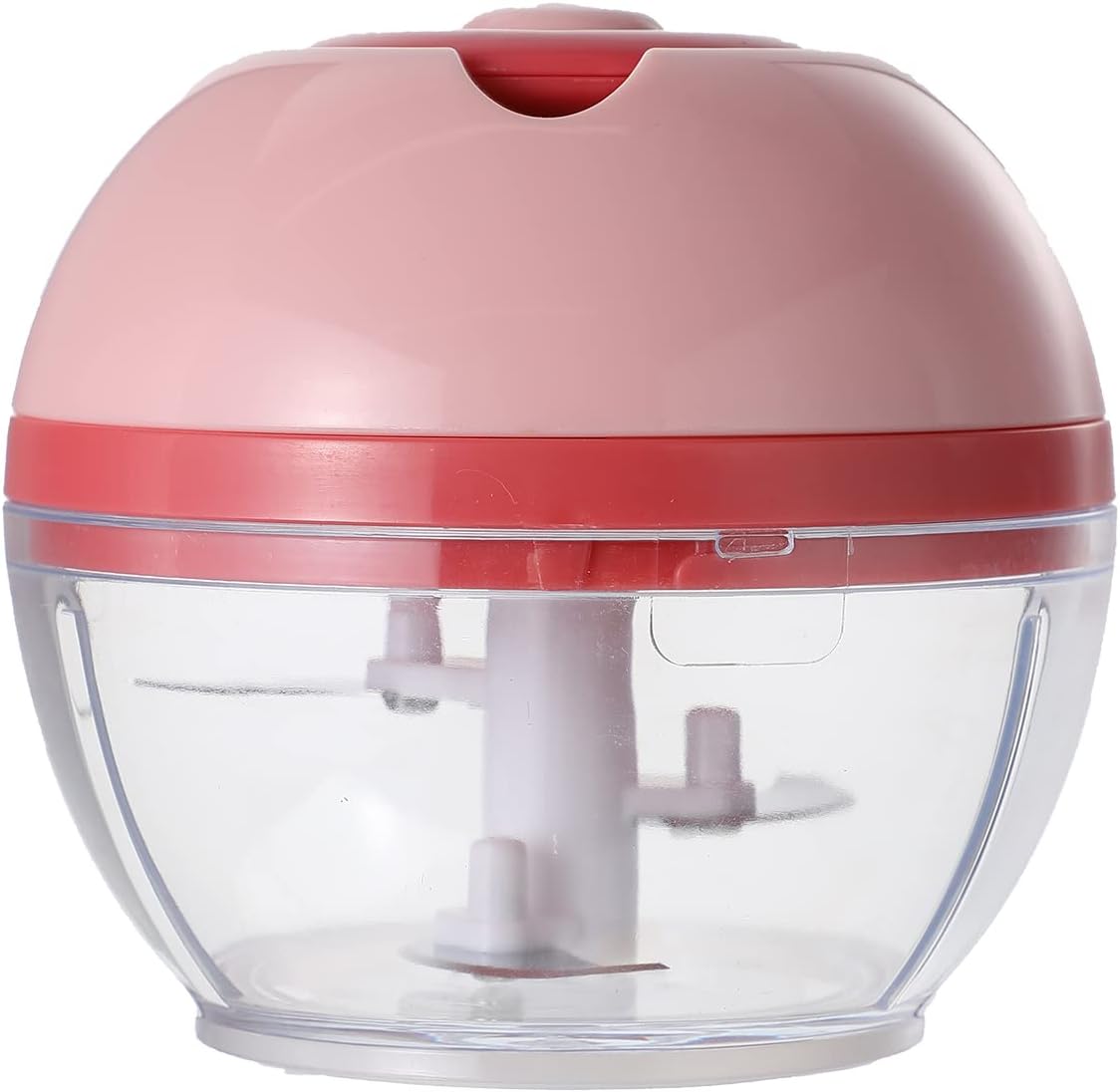
Image 1: Assembled MINISO Hand-Powered Vegetable Chopper. This image shows the complete chopper with the lid, pull mechanism, and transparent container.
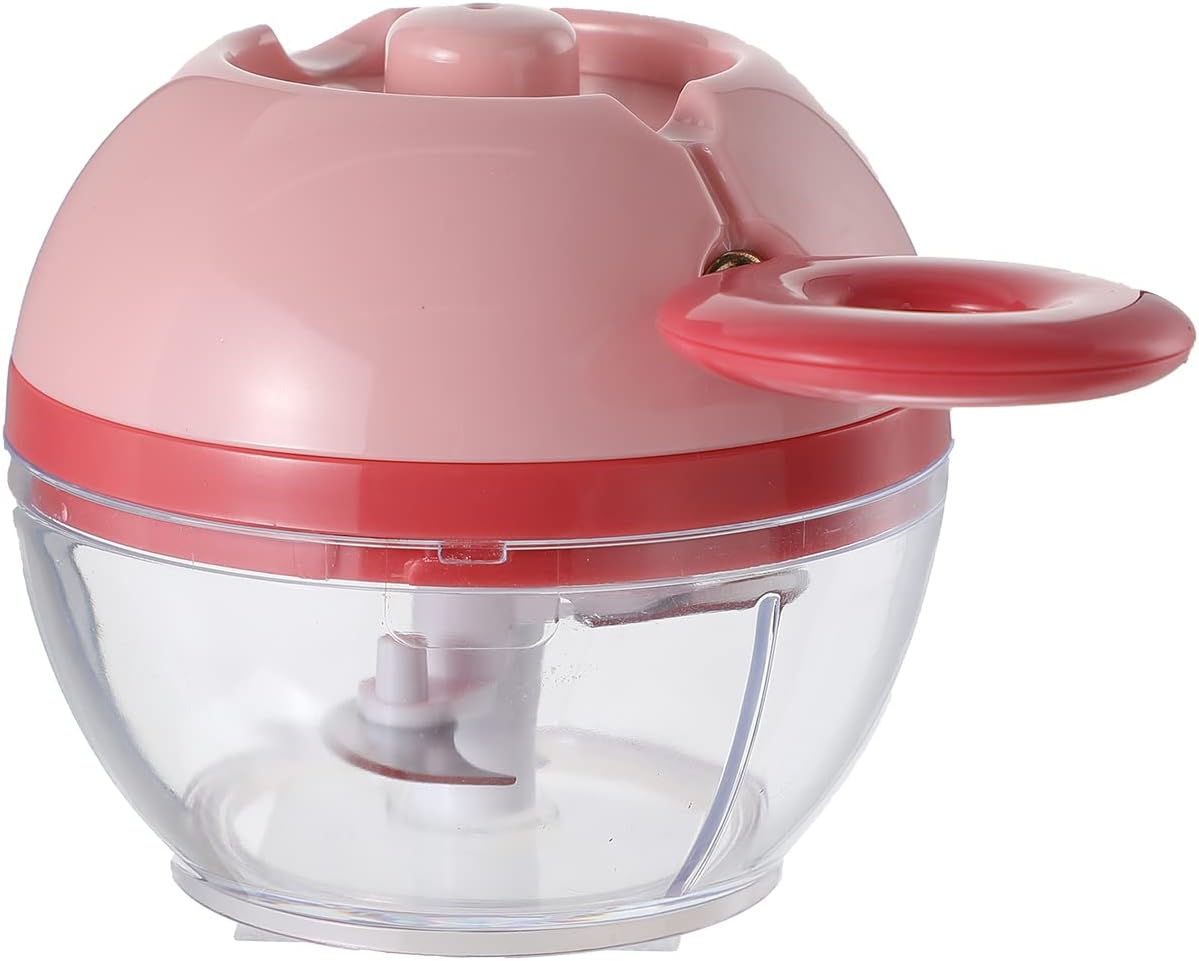
Image 2: MINISO Hand-Powered Vegetable Chopper with the pull handle extended. This image illustrates the chopper with the handle pulled out, ready for operation.
4. Ntọala na Mgbakọ
- Ịkwapu: Jiri nlezianya wepụ ihe niile dị na nkwakọ ngwaahịa.
- saa: Before first use, wash the container and blade assembly with warm, soapy water. Rinse thoroughly and dry. Do not wash the lid with the pull mechanism in water.
- Place Blades: Carefully place the chopping blade assembly onto the central pin inside the container. Ensure it sits securely.
- Tinye ngwa nri: Place your desired ingredients into the container around the blade assembly. Do not overfill.
- Ihe mkpuchi echekwara Place the lid onto the container, aligning the tabs, and twist or press down firmly to secure it in place. Ensure the lid is properly sealed before operation.
5. Ntuziaka ọrụ
Follow these steps to operate your hand-powered vegetable chopper:
- Kwadebe Ngwakọta: Cut larger ingredients into smaller, manageable pieces (e.g., 1-2 inch chunks) before placing them in the container.
- Ibu Chopper: Place the prepared ingredients into the container, ensuring they do not exceed the maximum fill line (if present) and do not obstruct the blade's rotation.
- Ihe mkpuchi echekwara Firmly attach the lid to the container.
- rụọ ọrụ: Hold the chopper firmly on a stable surface with one hand. With the other hand, grasp the pull handle on the lid. Pull the handle horizontally away from the body of the chopper in a swift, continuous motion.
- Tinyegharịa: Allow the cord to retract fully after each pull. Repeat the pulling motion until your desired consistency is achieved. For a rough chop, approximately 5 pulls in 5 seconds may be sufficient. For finer results, pull more times.
- Lelee nkwekọ: Periodically remove the lid to check the consistency of the chopped ingredients.
- Ihe efu: Once chopping is complete, carefully remove the lid and blade assembly. Empty the chopped ingredients from the container.

Image 3: MINISO Hand-Powered Vegetable Chopper with the pull cord visible. This image highlights the cord mechanism used for operation.
6. Nhicha na mmezi
Proper cleaning ensures the longevity and hygiene of your chopper.
- Kwụsa: Carefully disassemble the chopper by removing the lid and then the blade assembly from the container.
- Akara Ọcha: Rinse the blade assembly under running water immediately after use. Use a brush to remove any food particles. Handle blades with extreme caution.
- Akpa dị ọcha: The PS cup body (container) is dishwasher safe. Alternatively, wash it with warm, soapy water and rinse thoroughly.
- Ihe mkpuchi dị ọcha: The lid with the pull mechanism should ọ bụghị be immersed in water. Wipe it clean with a damp cloth. For optimal efficiency, after wiping, you can pull the rope a few times to help drain any residual water from the mechanism.
- Akọrọ: Ensure all parts are completely dry before reassembling or storing to prevent rust on the blades and mildew.
- Nchekwa: Store the chopper in a clean, dry place. Always store the blade assembly safely within the container or with a protective cover.
7. Nchọpụta nsogbu
| Nsogbu | Ihe nwere ike ime | Ngwọta |
|---|---|---|
| Chopper not processing ingredients effectively. |
|
|
| Pull cord is stuck or difficult to pull. |
|
|
| Chopper slides during use. |
|
|
8. Nkọwapụta ngwaahịa
- Akara: MINISO
- Ụdị: Hand-Powered Vegetable Chopper
- Isi mmalite ike: Akwụkwọ ntuziaka
- Ihe agụba: Stainless Steel (420 surgical grade)
- Akụrụngwa: BPA-free, baby food-grade ABS (PS cup body)
- Akụkụ ngwaahịa: Approximately 1"D x 2"W x 5"H (Note: These dimensions seem unusually small for a chopper, but are taken directly from product data. User should verify.)
- Ibu ihe: 7.4 ounces
- Ngwa gụnyere: Mpekere agụba, akpa, mkpuchi
- Ntuziaka nlekọta: Dishwasher Safe (container), Hand Wash (blades), Wipe Clean (lid)
9. Akwụkwọ ikike na nkwado ndị ahịa
MINISO provides a Ọrụ akwụkwọ ikike ụbọchị 365 for this Hand-Powered Vegetable Chopper from the date of purchase. This warranty covers manufacturing defects under normal use.
For warranty claims, technical assistance, or any questions regarding your product, please contact MINISO customer support through the retailer where the product was purchased or visit the official MINISO websaịtị maka ozi kọntaktị.
Biko dowe ihe akaebe nke ịzụrụ ihe maka nkwado akwụkwọ ikike.


