1. Okwu mmalite
This manual provides detailed instructions for the setup, operation, and maintenance of your EMOS Select Wireless Weather Station. This professional weather station offers a comprehensive overview of environmental conditions, including time, weather forecast, air pressure, temperature, and moon phases. Its intuitive touchscreen display allows for easy interaction with both internal and external sensors.

Image 1.1: EMOS Select Wireless Weather Station with its external sensor.
2. Ihe ngwugwu
Biko chọpụta na ihe niile edepụtara n'okpuru dị na ngwugwu gị:
- EMOS Select Weather Station Main Unit
- Ada Ada AC
- Ihe mmetụta ikuku n'èzí
- Akwụkwọ ntuziaka
Mara: 5x AAA batteries (2 for the outdoor sensor, 3 for the main unit backup) are required and not included in the package.
3. Nhazi
3.1 Ntinye batrị
- Ihe mmetụta n'èzí: Open the battery compartment on the back of the wireless outdoor sensor. Insert 2x AAA batteries, ensuring correct polarity (+/-). Close the compartment securely.
- Isi ngalaba: Open the battery compartment on the back of the main weather station unit. Insert 3x AAA batteries, ensuring correct polarity (+/-). These batteries serve as backup power.
3.2 Powering the Main Unit
For continuous display illumination and optimal functionality, connect the provided AC power adapter to the main unit and plug it into a power outlet. The backup batteries will retain settings during power outages.
3.3 Ebe Mmetụta Mpụga Dị n'èzí
Place the wireless outdoor sensor in a location that provides accurate environmental readings, away from direct sunlight and precipitation. The sensor is water-resistant (IPX4) but should be protected from extreme weather conditions for longevity. It can be installed up to 100 meters from the main unit, ensuring a stable radio connection.

Image 3.1: Recommended placement of the outdoor sensor within 100 meters of the main unit.
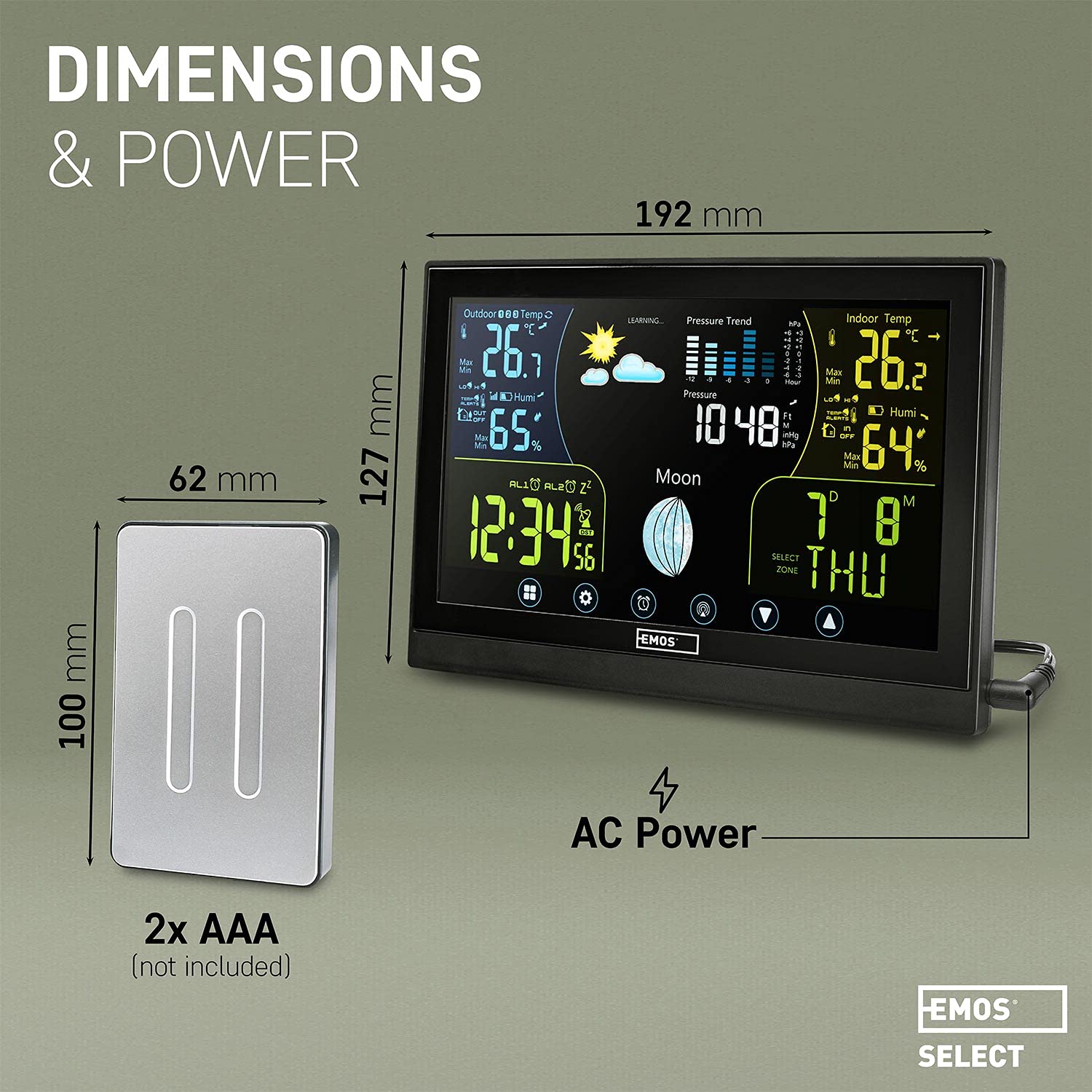
Image 3.2: The outdoor sensor features an IPX4 water-resistant design.
3.4 Initial Synchronization and Learning Phase
Upon powering on both units, the weather station will automatically attempt to connect with the outdoor sensor and synchronize the time via a radio signal (DCF). The system will enter a "LEARNING" phase for approximately 14 days. During this period, it collects local atmospheric data to refine its weather forecast accuracy. The "LEARNING" indicator on the display will disappear once this phase is complete, and the forecast accuracy will improve to approximately 75%.
4. Ntuziaka ọrụ
4.1 Ngosipụta karịrịview
The color touchscreen display provides a clear interface for all weather data and settings. Key information areas include:
- Ụdị n'èzí: Temperature and humidity from the external sensor.
- Usoro ime ụlọ: Temperature and humidity from the main unit's internal sensors.
- 24-Hour Weather Forecast: Icon-based prediction based on collected data.
- Pressure Trend: Barometric pressure readings and historical trend.
- Oge: Radio-controlled time display.
- Current Moon Phase: Graphical representation of the moon's phase.
- Date & Day: Current date and day of the week.

Foto 4.1: Zuru ezu view of the weather station's clear display interface.
4.2 Touchscreen Controls
The display features touch-sensitive buttons located at the bottom for navigation and settings adjustments. Gently tap the icons to access different functions or modify parameters.

Image 4.2: Demonstrating interaction with the touch-sensitive buttons.
4.3 Ntọala Oge na Ụbọchị
The integrated radio-controlled clock (DCF) automatically sets and updates the time and date, including adjustments for daylight saving time. Manual adjustment is typically not required.
4.4 Temperature and Humidity Readings
The station displays current indoor and outdoor temperatures and humidity levels. The outdoor sensor provides readings from -50°C to +70°C with an accuracy of ±2°C, and humidity from 1% to 99% with an accuracy of 5%.

Image 4.3: Current indoor and outdoor temperature and humidity readings.
4.5 Barometer and Weather Forecast
The internal barometer measures atmospheric pressure, contributing to the 24-hour weather forecast displayed with intuitive icons. The forecast becomes more accurate after the initial 14-day learning period.

Image 4.4: The 24-hour weather forecast and moon phase display.
4.6 Ngosipụta ihie
When the main unit is powered by the AC adapter, the display offers multiple adjustable brightness levels. If operating solely on backup batteries, the display backlight will illuminate for approximately 5 seconds after a button press to conserve power.
5. Nlekọta
5.1 nnọchi batrị
Replace batteries in both the main unit and the outdoor sensor when low battery indicators appear on the display. Always use new AAA batteries and ensure correct polarity.
5.2 Nhicha
To clean the display and unit casing, use a soft, dry, or slightly damp cloth. Avoid using abrasive cleaners, solvents, or chemical agents, as these can damage the surfaces.
6. Nchọpụta nsogbu
- Outdoor Sensor Not Connecting:
Ensure the outdoor sensor is within the 100-meter range of the main unit. Check that both units have fresh batteries installed with correct polarity. Remove any major obstructions between the sensor and the main unit. - Radio Signal (DCF) Issues / Incorrect Time:
The radio signal for time synchronization (DCF) can be affected by location, thick walls, or electronic interference. Try repositioning the main unit to a different area, preferably near a window, and away from other electronic devices. Allow time for the unit to re-acquire the signal. - Inaccurate Weather Forecasts:
The weather station requires a 14-day learning period to optimize its forecast accuracy. During and immediately after this period, minor discrepancies may occur. Ensure the outdoor sensor is placed correctly for accurate data collection. - Display Not Visible / Dim:
Ensure the AC power adapter is securely connected for continuous and bright display illumination. If operating on backup batteries, the backlight is temporary and will turn off after a few seconds to conserve power.
7. Nkọwapụta
| Ụdị | EMOS |
| Ntuziaka Model | ES5001 |
| Isi Iyi Ike | AC Adapter (main unit), Battery (main unit backup & outdoor sensor) |
| Batrị achọrọ | 5x AAA (3 for main unit backup, 2 for outdoor sensor) |
| Teknụzụ Njikọta | Igwefoto |
| Atụmatụ pụrụ iche | Wireless, Wall Clock, Alarm Clock, Touchscreen Display |
| Akụkụ ndị isi | 192 mm (obosara) x 127 mm (ịdị elu) |
| Akụkụ ihe mmetụta dị n'èzí | 100 mm (height) x 62 mm (width) |
| Ibu ngwaahịa | 530 grams |
| Oke okpomọkụ dị n'èzí | -50°C to +70°C (Accuracy: ±2°C) |
| Oke iru mmiri dị n'èzí | 1% to 99% (Accuracy: 5%) |
| Oke ihe mmetụta n'èzí | Ruo mita 100 |
| Water Resistance (Sensor) | IPX4 |

Image 7.1: Dimensions and power details of the weather station components.
8. Akwụkwọ ikike na nkwado
For information regarding product warranty, technical support, or service inquiries, please refer to the documentation provided at the point of purchase or visit the official EMOS websaịtị. Debe nnata nzụta gị ka ihe akaebe nke ịzụrụ.


