1. Okwu mmalite
Thank you for choosing the EVOLAND Professional Exercise Bike. This manual provides essential information for the safe assembly, operation, and maintenance of your new fitness equipment. Please read this manual thoroughly before use and keep it for future reference.
This machine is designed to provide effective and comfortable aerobic exercises, allowing you to perform workouts conveniently at home. It features high and low resistance settings, easily adjustable via a knob, and a comfortable, breathable cushioned seat. The integrated LCD screen helps you track your progress, making it easier to achieve your fitness goals.
2. Ozi nchekwa
Before starting any exercise program, consult your physician. This is especially important for individuals over the age of 35 or those with pre-existing health problems.
- Hụ na e ji ihe niile dị n'ime ya sie ike nke ọma tupu e jiri ya mee ihe ọ bụla.
- Place the exercise bike on a flat, stable surface. Use a protective mat underneath to prevent damage to flooring.
- Debe ụmụaka na anụ ụlọ n'ebe akụrụngwa nọ mgbe a na-arụ ọrụ.
- Wear appropriate exercise clothing and athletic shoes. Avoid loose clothing that could get caught in moving parts.
- Ekwela ka ibu arọ onye ọrụ gafere kilogram 120 (paụnd 264).
- Ọ bụrụ na ị na-enwe isi ọwụwa, ọgbụgbọ, ihe mgbu obi, ma ọ bụ ihe mgbaàmà ndị ọzọ na-adịghị mma, kwụsị mmega ahụ ozugbo ma gakwuru dọkịta.
- The flywheel and belt are protected by covers to prevent accidents and prolong the lifespan of the components. Do not attempt to remove these covers during operation.
- Emebere ngwaahịa a maka naanị ime ụlọ.
3. Ihe ngwugwu
Please check the contents of your package against the list below. If any parts are missing or damaged, contact customer service immediately.
- Mgbakọ isi Frame
- Ihu na azụ stabilizers
- Mgbakọ Handlebar
- Oche na Oche
- Pedal (aka ekpe na aka nri)
- LCD Nyochaa
- Ngwa ngwaike (bolts, akụ, igwe asa ákwà, ngwaọrụ)
- Ihe njide karama mmiri

Foto 3.1: Key components of the EVOLAND Exercise Bike. (1) LCD Display, (2) Water Bottle Holder, (3) Comfortable Seat, (4) 6kg Flywheel, (5) Widened Pedals, (6) Transport Wheels.
4. Mgbakọ na Ntọala
Follow these steps to assemble your EVOLAND Exercise Bike. It is recommended to have two people for assembly.
- Gbakwunye ndị na-eme ihe ike: Secure the front and rear stabilizers to the main frame using the provided bolts and nuts. Ensure they are firmly attached for stability.
- Wụnye pedals: Identify the left (L) and right (R) pedals. The left pedal screws counter-clockwise, and the right pedal screws clockwise. Tighten them securely to the crank arms.
- Oche Ugwu: Insert the seat post into the frame and adjust to your desired height. Secure the seat onto the seat post. The seat can also be adjusted forward and backward for optimal comfort.
- Gbakwunye Aka Aka: Insert the handlebar post into the frame and secure the handlebar assembly. Adjust the height of the handlebar for a comfortable riding position.
- Wụnye Nyocha LCD: Connect the sensor wires from the main frame to the back of the LCD monitor. Mount the monitor onto the designated bracket on the handlebar.
- Tinye ihe njide karama mmiri: Secure the water bottle holder to the frame in the designated location.
- Nkwanye: Use the adjustable leveling gears on the bottom of the stabilizers to ensure the bike is stable and does not wobble on uneven floors.

Foto 4.1: Fully assembled EVOLAND Exercise Bike.
5. Ntuziaka ọrụ
Your EVOLAND Exercise Bike is designed for intuitive use. Follow these guidelines for an effective workout.
5.1 Na-edozi Nguzogide
The bike features a magnetic resistance system with infinite adjustment. To increase resistance, turn the red knob clockwise. To decrease resistance, turn it counter-clockwise. To stop the flywheel quickly in an emergency, press the red knob down firmly.
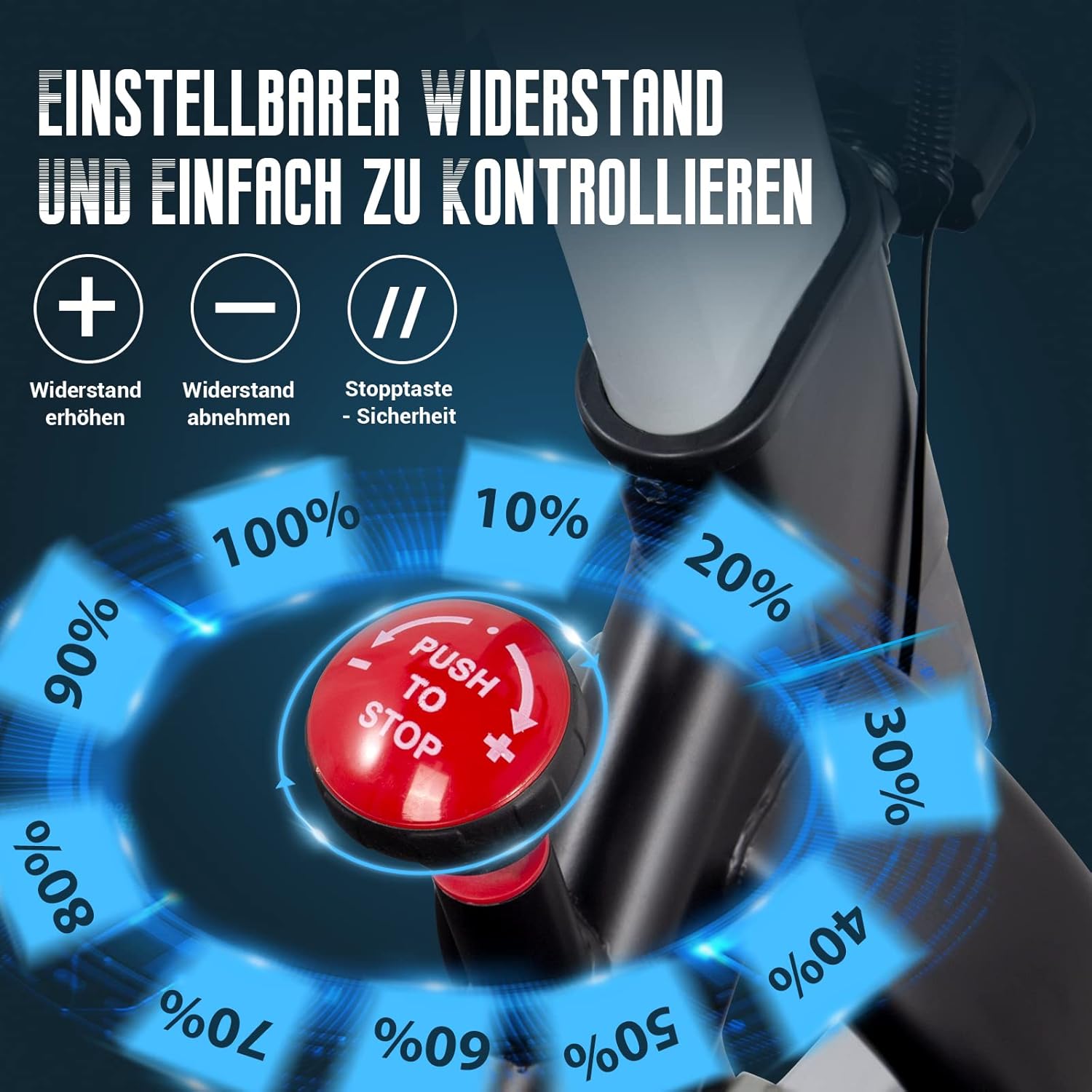
Foto 5.1: Resistance adjustment knob. Turn to adjust, push to stop.
5.2 Iji LCD Monitor
The LCD monitor tracks your workout data. It displays:
- OGE: Ogologo oge mgbatị ahụ gị.
- Dị anya: Distance covered during your workout.
- Ọsọ: Ọsọ ịgba ígwè gị ugbu a.
- Ahịa: Kalori echere n'ọkụ.
- Nyochaa: Na-agagharị na-akpaghị aka site na ọrụ ngosi niile.
The monitor is battery-powered. Ensure batteries are correctly installed. Note: This model does not include a heart rate monitoring function.
5.3 Adjusting Riding Position
The bike offers multiple adjustment points to accommodate various user heights (150 cm to 190 cm) and preferences:
- Ogologo Handlebar: Adjust the handlebar up or down for comfortable upper body posture.
- Ogologo oche: Adjust the seat up or down to ensure a slight bend in your knee at the bottom of the pedal stroke.
- Oche n'ihu/n'azụ: Slide the seat forward or backward to optimize your hip and knee alignment with the pedals.

Foto 5.2: Dimensions and adjustable ranges of the EVOLAND Sport Bike.
5.4 Transporting the Bike
The exercise bike is equipped with transport wheels on the front stabilizer for easy movement. To move the bike, simply tilt it forward onto the wheels and roll it to your desired location.
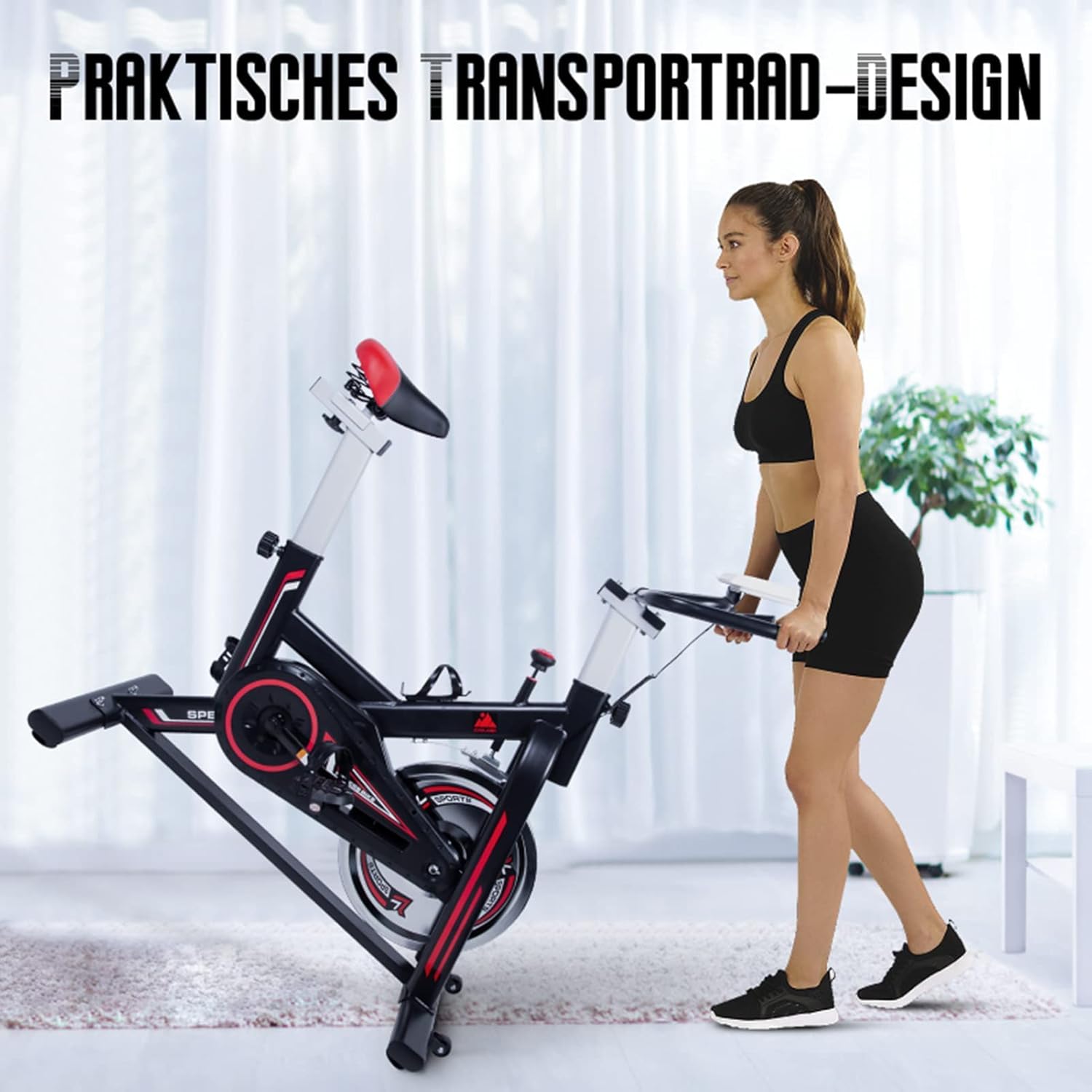
Foto 5.3: Using the transport wheels to move the bike.
6. Nlekọta
Regular maintenance will ensure the longevity and optimal performance of your EVOLAND Exercise Bike.
- Nhicha: Jiri mgbasa ozi hichapụ igwe kwụ otu ebeamp ákwà mgbe ejiri ya mee ihe ọ bụla iji wepụ ọsụsọ na uzuzu. Ejila ihe nhicha ma ọ bụ ihe mgbaze.
- Nyocha: Na-elele bolts niile, mkpụrụ, na akụkụ ndị na-agagharị agagharị mgbe niile iji mara ma hà siri ike. Mee ka ihe ọ bụla na-adịghị ike sie ike.
- mmanu mmanu: The magnetic resistance system and belt drive are designed for low maintenance. No lubrication is typically required for these components.
- Flywheel and Belt Protection: The protective covers for the flywheel and belt are made of high-quality material, resistant to dust, shock, water, and rust. Keep these covers clean and intact to protect the internal mechanisms.
- Nchekwa: Debe igwe kwụ otu ebe ahụ n'ebe kpọrọ nkụ ma dị jụụ, ebe anwụ na-anaghị anwụ kpọmkwem na oke okpomọkụ dị oke njọ.

Foto 6.1: The quiet and durable belt drive system.
7. Nchọpụta nsogbu
Ọ bụrụ na ị hụ nsogbu ọ bụla na igwe mmega ahụ gị, lee nsogbu na ngwọta ndị a na-ahụkarị:
- Bike is unstable/wobbles:
Ngwọta: Ensure the bike is on a flat surface. Adjust the leveling gears on the bottom of the front and rear stabilizers until the bike is stable. - Pedals feel loose or make noise:
Ngwọta: Check if the pedals are securely tightened to the crank arms. Remember the left pedal tightens counter-clockwise and the right pedal clockwise. - Resistance knob not working correctly:
Ngwọta: Ensure the resistance knob is fully engaged and not stripped. If the issue persists, contact customer support. - Ihe nlele LCD anaghị egosi:
Ngwọta: Check if the batteries are correctly installed and have sufficient charge. Replace batteries if necessary. Ensure all sensor wires are securely connected to the monitor. - Mkpọtụ na-adịghị ahụkebe n'oge arụ ọrụ:
Ngwọta: Check all visible bolts and nuts for tightness. Ensure no foreign objects are caught in the flywheel or belt area. If the noise persists, contact customer support.
8. Nkọwapụta
| Njirimara | Nkọwapụta |
|---|---|
| Ụdị | EVAND |
| Nọmba nlereanya | x1465 |
| Agba | Nwa |
| Ihe onwunwe | Alloy Steel |
| Sistemụ mbanye | Eriri mbanye |
| Usoro mgbochi | Magnetik |
| Oke oke ibu | 120 Kilogram (264 lbs) |
| Recommended Max Height | 190 Centimeters (6 ft 3 in) |
| Akụkụ ngwaahịa (L x W x H) | 100 x 50 x 115 cm (39.4 x 19.7 x 45.3 inch) |
| Ibu Ibu | 23.8 Kilogram (52.5 lbs) |
| Atụmatụ pụrụ iche | Adjustable Seat, Heavy Duty, Transport Wheels |
| Nyochaa Ọrụ | Oge, ọsọ, anya, kalori |
| Isi Iyi Ike | Batrị na-arụ ọrụ (maka ihe nlele) |

Foto 8.1: The robust triangular design supports up to 120 kg.
9. Akwụkwọ ikike na nkwado
EVOLAND products are manufactured to the highest quality standards. For warranty information, technical support, or replacement parts, please contact your retailer or the EVOLAND customer service department. Keep your purchase receipt as proof of purchase.
For further assistance, please visit our official website or contact us via the details provided on your product packaging.


