1. Okwu mmalite
The Neno UNO is an intelligent electronic breast pump designed for comfort and efficiency. It offers customizable settings to suit individual needs, making the pumping experience more comfortable and effective. This manual provides comprehensive instructions for the safe and proper use, maintenance, and troubleshooting of your Neno UNO breast pump.
2. Ozi nchekwa dị mkpa
Please read all instructions carefully before using the Neno UNO breast pump. Failure to follow these instructions may result in injury or damage to the product.
- This device is intended for personal use only.
- Do not immerse the main unit (motor) in water or other liquids.
- Debe ebe ụmụaka na-apụghị iru.
- Ejila mgbe ị na-asa ahụ ma ọ bụ ịsa ahụ.
- Kwupu ngwaọrụ mgbe niile mgbe ejirichara yana tupu ihicha ya.
- Inspect all components before each use for any damage. Discard and replace damaged parts immediately.
- Use only original Neno accessories and replacement parts.
- If you experience pain or discomfort during pumping, stop immediately and consult a healthcare professional.
- Ensure all parts are completely dry before assembly and storage to prevent mold or bacterial growth.
3. Ngwa ngwaahịa
The Neno UNO breast pump consists of several key components designed for efficient and comfortable milk expression. Familiarize yourself with each part before assembly and use.

Figure 3.1: Neno UNO Electronic Breast Pump and its retail packaging.

Ọgụgụ 3.2: Zuru ezu view of the Neno UNO's intuitive touch control panel, showing power, mode, and intensity buttons.

Figure 3.3: Angled perspective of the Neno UNO breast pump, highlighting its compact design and assembled components.

Ọgụgụ 3.4: Akụkụ profile of the Neno UNO breast pump, showcasing the connection between the motor unit, flange, and bottle.

Foto nke 3.5: Akụkụ ọzọ view of the Neno UNO, emphasizing its ergonomic shape and clear collection bottle.

Figure 3.6: Illustration showing the internal electronic components of the Neno UNO alongside diagrams of breast anatomy, indicating milk ducts and glands.

Figure 3.7: Visual representation of the Neno UNO breast pump highlighting its 1400mAh lithium-ion battery, indicating long-lasting power.
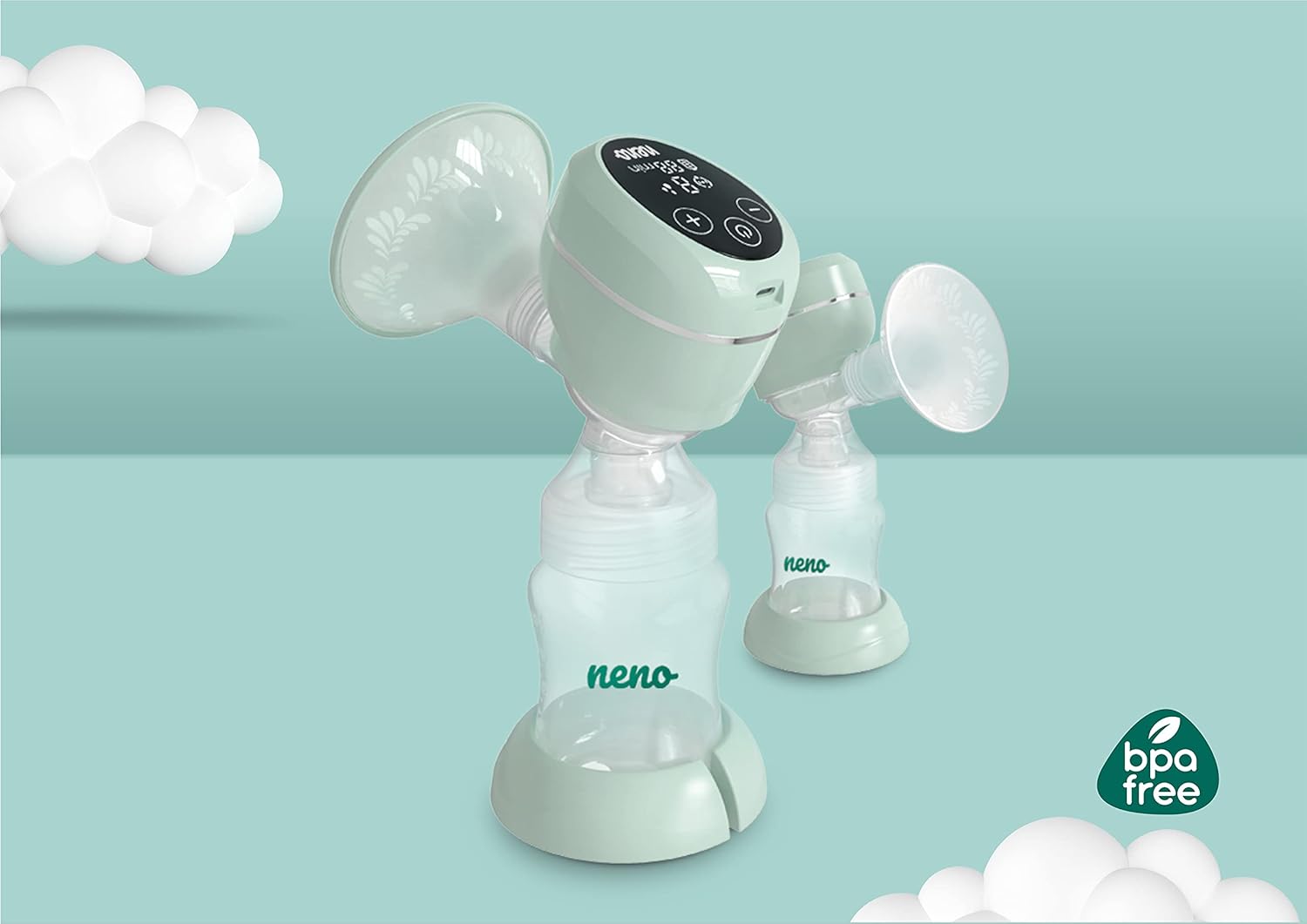
Figure 3.8: Two Neno UNO breast pumps displayed, with a "BPA Free" logo, emphasizing the safety of the materials used.
Ndepụta akụrụngwa:
- Main Pump Unit (Motor with control panel)
- Silicone Flange/Shield
- Milk Collection Bottle
- Valve
- Diaphragm
- Bottle Stand/Base
- Igwe nchaji USB
4. Nhazi
Before first use, and after each use, disassemble and clean all parts that come into contact with breast milk. Refer to the "Cleaning and Maintenance" section for detailed instructions.
- Ensure the main pump unit is fully charged. Connect the USB charging cable to the pump and a suitable power source. The battery indicator on the display will show charging status.
- Assemble the clean and dry components:
- Insert the valve firmly into the bottom of the flange.
- Place the diaphragm onto the top of the flange, ensuring a tight seal.
- Screw the milk collection bottle onto the bottom of the flange assembly.
- Attach the assembled flange and bottle unit to the main pump unit, ensuring it clicks securely into place.
- Place the assembled pump onto a stable surface or use the provided bottle stand for stability.
5. Ntuziaka ọrụ
The Neno UNO breast pump is designed for ease of use with its intuitive touch screen and automatic functions.
5.1 Gbanyụọ/ gbanyụọ
- Ka ịgbanwuo: Pịa ma jide bọtịnụ ike (⏻) on the touch screen until the display illuminates.
- To turn off: Press and hold the power button (⏻) until the display turns off. The pump will also automatically turn off after a predetermined duration of use (e.g., 30 minutes).
5.2 Ụdị ọrụ
The Neno UNO features two distinct modes to simulate natural breastfeeding:
- Ụdị mkpali: This mode uses a fast, light suction to stimulate milk let-down. It has up to 6 levels of intensity. The pump typically starts in this mode.
- Ụdị nkwupụta: Once milk flow begins, switch to this mode for slower, stronger suction to efficiently express milk. It has up to 9 levels of intensity.
To switch between modes, press the mode button on the touch screen. The pump will automatically switch modes after a set period to optimize milk expression.
5.3 Adjusting Suction Intensity
- Use the '+' button to increase suction intensity.
- Use the '-' button to decrease suction intensity.
- Adjust the intensity to a comfortable level that allows for efficient milk flow without causing pain. The pump remembers your last settings for convenience.
5.4 Ndụ batrị na Nchaji
The Neno UNO is equipped with a powerful 1400mAh lithium-ion battery, providing up to 2 hours of continuous operation or approximately 4 complete 30-minute pumping sessions on a single charge.
- Monitor the battery indicator on the display.
- Recharge the pump using the provided USB cable when the battery is low.
- Avoid fully depleting the battery to prolong its lifespan.

Figure 5.1: A user demonstrating the portable and discreet use of the Neno UNO breast pump.
6. Nhicha na mmezi
Proper cleaning and sterilization are crucial for hygiene and the longevity of your breast pump. All parts that come into contact with breast milk must be cleaned and sterilized after each use.
6.1 Mwepu
- Turn off the pump and disconnect it from any power source.
- Carefully detach the milk collection bottle from the flange.
- Remove the valve and diaphragm from the flange.
- Separate the main pump unit from the flange assembly. The main pump unit should never be washed or sterilized.
6.2 Nhicha
- Rinse all disassembled parts (except the main pump unit) under cold running water to remove any milk residue.
- Wash parts in warm, soapy water using a mild dish soap. Use a dedicated brush for cleaning breast pump parts.
- Rinse thoroughly under clean running water.
6.3 igba ogwu
Sterilize parts (flange, bottle, valve, diaphragm) using one of the following methods:
- Mmiri esi: Place parts in a pot of boiling water for 5 minutes. Ensure parts do not touch the bottom or sides of the pot to prevent damage.
- Ọgwụ Sterilizer Steam: Use a dedicated steam sterilizer according to its manufacturer's instructions.
- Igwe efere: Some parts may be dishwasher safe (top rack only). Refer to product packaging or Neno's official websaịtị maka nkwenye.
After sterilization, place parts on a clean drying rack or paper towel to air dry completely. Do not use a cloth towel as it may transfer germs.
6.4 Nchekwa
Store clean and dry breast pump parts in a clean, dry place away from direct sunlight and dust.
7. Nchọpụta nsogbu
If you encounter issues with your Neno UNO breast pump, refer to the following common problems and solutions:
| Nsogbu | Ihe nwere ike ime | Ngwọta |
|---|---|---|
| No power / Pump not turning on | Battery is low or depleted; Power button not pressed correctly. | Charge the pump fully. Press and hold the power button firmly. |
| Weak or no suction | Parts not assembled correctly; Damaged valve or diaphragm; Flange not sealed properly to breast. | Ensure all parts are assembled tightly. Check valve and diaphragm for tears or damage and replace if necessary. Reposition the flange on the breast to ensure a good seal. |
| Milk leaking from pump | Bottle not screwed on tightly; Valve not seated correctly; Overfilled bottle. | Ensure the bottle is securely attached. Check that the valve is properly inserted. Do not overfill the bottle beyond its maximum capacity. |
| Pump na-eme mkpọtụ na-adịghị ahụkebe | Parts not assembled correctly; Foreign object in pump mechanism. | Disassemble and reassemble all parts. If noise persists, contact customer support. |
If the problem persists after trying these solutions, please contact Neno customer support for further assistance.
8. Nkọwapụta
| Ụdị | NENO |
| Aha Nlereanya | UNO (Electric) |
| Nọmba nlereanya | 5902479671925 |
| ASIN | B08PPNVMY5 |
| Ụdị ọrụ | Eletriki |
| Isi Iyi Ike | Akwanyere batrị |
| Ụdị batrị | 1 Lithium-ion (gụnyere) |
| Ike batrị | 1400 mAh |
| Akụkụ (L x W x H) | 50 x 50 x 28 cm |
| Ibu | 671 grams |
| Ihe onwunwe | Silicone (BPA-free) |
| Njirimara Pụrụ Iche | Dị fechaa, enwere ike ibugharị |
| Ngwa gụnyere | Battery (main unit, flange, bottle, valve, diaphragm implied) |
9. Akwụkwọ ikike na nkwado
Neno products are manufactured to high-quality standards. For specific warranty information, please refer to the warranty card included with your product or visit the official Neno websaịtị. Debe ihe akaebe nke ịzụrụ maka akwụkwọ ikike.
For technical support, troubleshooting assistance beyond this manual, or to inquire about replacement parts, please contact Neno customer service through their official websaịtị ma ọ bụ ozi kọntaktị enyere na nkwakọ ngwaahịa gị.
Websaịtị: www.neno.pl/en/


