1. Okwu mmalite
The Donner Mini Turbo is a compact and versatile guitar headphone amplifier designed for practice and recording. It features 10 classic amp models, multiple effects, a built-in tuner, USB recording capabilities, and Bluetooth connectivity for accompaniment. Its portable design allows musicians to practice anytime, anywhere without disturbing others.
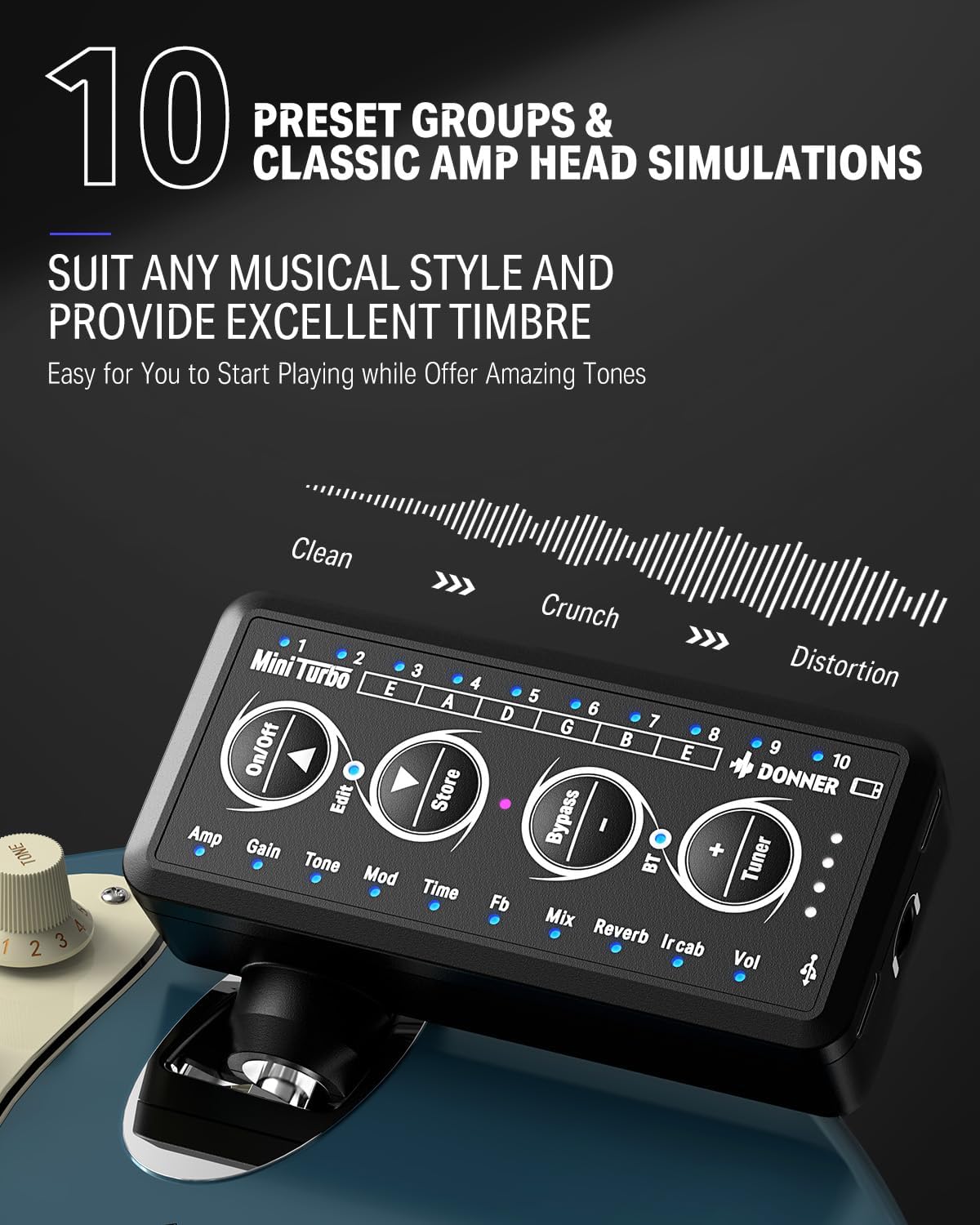
Image 1.1: The Donner Mini Turbo Guitar Headphone Ampna -emegharị ihe.
2. Akụrụngwa Ngwaahịa
- Multi-Effect & Excellent Timbre: Contains 10 classic presets (including delay, reverb, chorus, and phaser) and 10 classic IR CAB modules. Edit mode allows adjustment and saving of favorite tones.
- Ojiji otutu: Equipped with a precision tuner for electric guitar and bass. Can record music and export high-quality files to a computer or phone via USB.
- Flexible Connections Method: Compatible with mobile phones and computers via USB. Supports wireless Bluetooth connection for playing accompaniment.
- Rechargeable and Long-Lasting Battery: Built-in lithium battery provides up to five hours of continuous use on a full charge. Includes a USB charge cable.
- Nhazi dị elu: Lightweight and portable, suitable for various environments including home, apartment, or travel.

Foto 2.1: Ofeview of the Donner Mini Turbo's multi-effect and amp simulation capabilities.

Image 2.2: The Mini Turbo offers multiple effects and free adjustment for an unparalleled practice experience.
3. Ntuziaka Nhazi
3.1 Ịchaji ngwaọrụ
Before first use, fully charge the Mini Turbo. Connect the provided USB charging cable to the device's USB port and a compatible USB power adapter (not included) or computer USB port. The power indicator lights will show charging status.
3.2 Connecting to Your Guitar
- Ensure the Mini Turbo is powered off.
- Insert the 1/4-inch jack of the Mini Turbo directly into your electric guitar's output jack.

Image 3.1: The Mini Turbo plugs directly into the guitar's output jack.
3.3 Ejikọ ekweisi
Plug your headphones into the 1/8-inch (3.5mm) headphone jack on the Mini Turbo. For optimal sound quality, use high-quality headphones.
3.4 Connecting to External Devices (USB/Bluetooth)
- Njikọ USB: Use a USB cable to connect the Mini Turbo to a computer or mobile phone (an OTG cable may be required for phones) for recording or tone adjustment.
- Njikọ Bluetooth: Activate Bluetooth on your external device (e.g., smartphone, tablet). On the Mini Turbo, press the 'BT' button to enter pairing mode. Select 'Donner Mini Turbo' from your device's Bluetooth list to connect for playing accompaniment.

Image 3.2: Wireless connection to a mobile device for accompaniment.

Image 3.3: USB connection for recording or tone adjustment.
4. Ntuziaka ọrụ
4.1 Gbanyụọ ma ọ bụ gbanyụọ
Press and hold the 'On/Off' button to power the device on or off. The indicator lights will illuminate upon power-on.
4.2 Na-agagharị Amp Ụdị na Mmetụta
The Mini Turbo features 10 amp models and various effects. Use the 'Amp' and 'Edit' buttons to cycle through different amp models and adjust effect parameters such as Gain, Tone, Mod, Time, Fb, Mix, Reverb, IR Cab, and Volume. Refer to the device's display for current settings.

Foto 4.1: Zuru ezu view of the Mini Turbo's control panel for effects and amp ụdị.

Image 4.2: The Mini Turbo allows adjustment of various effect parameters like Mod, Time, Fb, Mix, and Reverb.
4.3 Using the Tuner
Press the 'Tuner' button to activate the built-in precision tuner. The display will guide you to tune your guitar or bass accurately. Press the 'Tuner' button again to exit tuner mode.

Image 4.3: A user practicing guitar with the Mini Turbo and headphones, demonstrating its portable use.
4.4 Ndekọ
Connect the Mini Turbo to a computer or mobile device via USB. Use appropriate recording software on your device to capture your guitar playing. The Mini Turbo acts as an audio interface, allowing you to record high-quality audio.
4.5 Saving Presets
After adjusting your desired tone and effects, press the 'Store' button to save your custom preset. Follow the on-screen prompts to select a slot and confirm saving.
Video 4.1: Official product video demonstrating the features and usage of the Donner Mini Turbo Headphone Amp.
5. Nlekọta
5.1 Nlekọta batrị
- Chaji ngwaọrụ ahụ mgbe niile, ọbụlagodi na ọ naghị adị ya ugboro ugboro, iji hụ na batrị dị mma.
- Zere ka batrị ahụ gbapụta kpamkpam ruo ogologo oge.
- Jiri naanị eriri USB enyere maka ịchaji.
5.2 Nhicha na Nchekwa
- Jiri ákwà dị nro ma kpọọ nkụ hichaa ngwaọrụ ahụ. Zere iji kemịkalụ siri ike ma ọ bụ ihe ndị na-emebi ihe.
- Store the Mini Turbo in a cool, dry place away from direct sunlight and extreme temperatures.
- Ensure the device is disconnected from the guitar and charging cable when not in use.
6. Nchọpụta nsogbu
- Enweghị ụda:
- Lelee ma ọ bụrụ na agbanyere ngwaọrụ.
- Ensure headphones are properly plugged in.
- Verify the guitar cable is securely connected.
- Adjust the volume level on the Mini Turbo and your headphones.
- Okwu ịchaji:
- Ensure the USB cable is not damaged and is properly connected.
- Nwaa isi iyi ike USB dị iche.
- Nsogbu Njikọta Bluetooth:
- Ensure the Mini Turbo is in Bluetooth pairing mode.
- Check that Bluetooth is enabled on your external device.
- Move closer to the device to ensure a strong signal.
- Unwanted Noise/Feedback:
- Gbaa mbọ hụ na njikọ niile echekwara.
- Try reducing the gain or volume settings.
- Avoid placing the device near other electronic equipment that may cause interference.
7. Nkọwapụta
| Njirimara | Nkọwapụta |
|---|---|
| Nọmba nlereanya | Obere Turbo |
| Ibu Ibu | 4.6 ounces |
| Akụkụ ngwaahịa | 3.3 x 3.2 x 0.8 sentimita asatọ |
| Batrị | 1 batrị lithium ion achọrọ (gụnyere) |
| Ngwa dakọtara | Gita |
| Ụdị njikọ | USB, ikuku |
| Ụdị ihe | Ọla, plastik |
| Mpụta Wattage | 5 Watt |
| Isi Iyi Ike | Akwanyere batrị |
| Agba | Obere Turbo |
| Mbụ Dị | Nọvemba 24, 2020 |

Image 7.1: Dimensions of the Donner Mini Turbo headphone ampna -emegharị ihe.
8. Akwụkwọ ikike na nkwado
For warranty information and customer support, please refer to the official Donner websaịtị ma ọ bụ kpọtụrụ onye na-ere ahịa gị. Debe akwụkwọ nnata ịzụrụ maka akwụkwọ ikike.


