1. Okwu mmalite
This manual provides detailed instructions for the installation, operation, and maintenance of the PAC RPK4-CH4103 Integrated Installation Kit. This kit is designed to facilitate the replacement of the factory radio in select Jeep Grand Cherokee vehicles (2014-2020) while retaining essential factory features, including steering wheel controls, climate controls, and other vehicle settings.
Please read this manual thoroughly before beginning installation to ensure proper functionality and to avoid damage to your vehicle or the product.
2. Ozi nchekwa
- Kwapụ ihe niile dị n'ime batrị ụgbọala ahụ tupu ịmalite ọrụ eletriki ọ bụla iji gbochie obere sekit na mmebi.
- Gbaa mbọ hụ na njikọ niile echekwara na mkpuchi nke ọma iji gbochie ihe egwu eletrik.
- Refer to your vehicle's service manual for specific dashboard disassembly and reassembly procedures.
- If you are unsure about any part of the installation process, seek assistance from a qualified automotive technician.
- Do not modify the wiring harnesses or components unless explicitly instructed.
- Keep all small parts and tools away from children.
3. Ihe ngwugwu
Chọpụta na ihe niile edepụtara n'okpuru dị na ngwugwu gị:
- Integrated Dash Kit with Climate Controls
- Radio Replacement Interface Module (RPK4-CH4103)
- Vehicle Specific Wiring Harnesses
- Ihe nkwụnye antenna
- USB Njido
- Auxiliary Input Retention Harness
- Ihe nkwado nkwado
- Akụrụngwa nwụnye
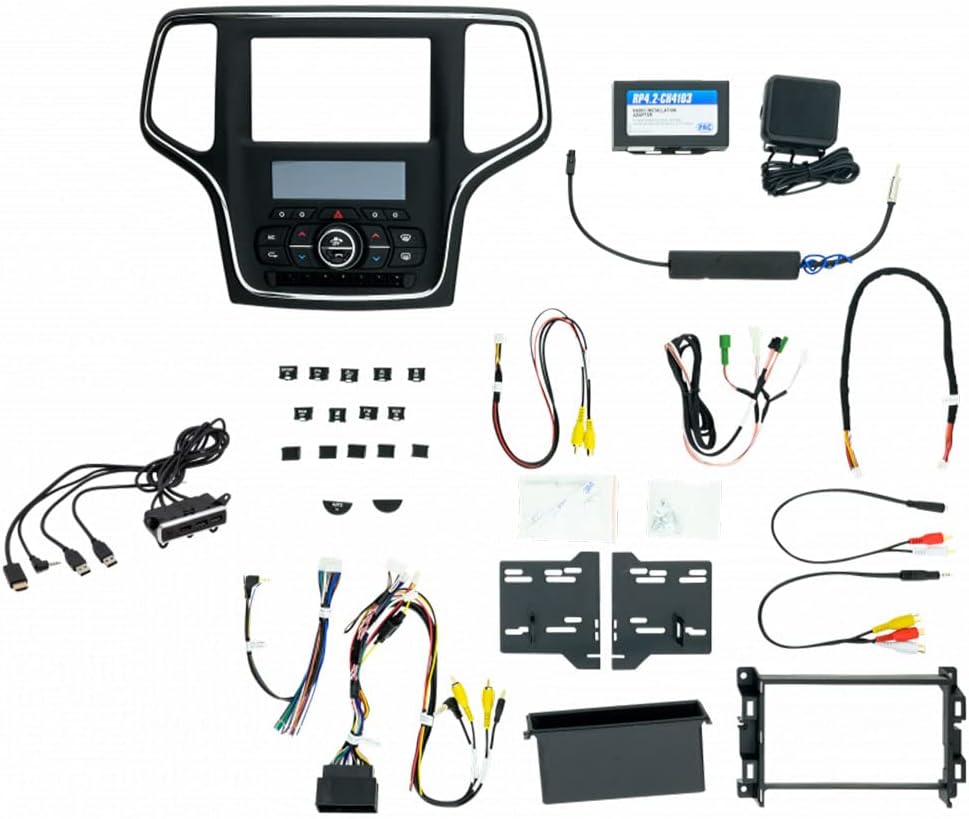
Foto 3.1: gafereview of all components included in the PAC RPK4-CH4103 Integrated Installation Kit.
4. Ntọala & nwụnye
This section outlines the general steps for installing the PAC RPK4-CH4103 kit. Specific vehicle disassembly instructions are not covered here and should be referenced from your vehicle's service manual.
4.1. Nzọụkwụ mbụ etinyere
- Kwupu batrị: Kwupu njikọ na-adịghị mma nke batrị ụgbọ ala.
- Wepụ Redio Ụlọ Ọrụ: Carefully remove the factory radio and associated trim panels. Store all removed parts safely.
- Identify Factory Connections: Note the existing wiring harnesses connected to the factory radio.
4.2. Mgbakọ Kit
- Prepare New Radio: Attach the provided mounting brackets to your new aftermarket radio.
- Njikọ Waya: Connect the vehicle-specific wiring harnesses from the PAC kit to your aftermarket radio's harness. Ensure all connections are secure. This may involve soldering or crimping connections.
- Connect Interface Module: Plug the main wiring harness into the PAC RPK4-CH4103 interface module.
- Connect Antenna Adapter: Connect the antenna adapter to the vehicle's antenna cable and then to your new radio.
- Connect USB/Aux Retention: If applicable, connect the USB and auxiliary input retention harnesses to maintain factory USB/Aux ports.
4.3. Dash Kit Integration
- Install Radio into Dash Kit: Secure your aftermarket radio (with attached brackets) into the new integrated dash kit.
- Connect Dash Kit Controls: Connect the wiring from the integrated climate controls on the new dash kit to the main PAC interface harness.
- Nwale njikọ: Before fully reassembling the dashboard, temporarily connect the vehicle's battery and test the functionality of the new radio, steering wheel controls, and climate controls. Address any issues before proceeding.

Foto 4.1: The integrated dash kit featuring climate controls, designed to seamlessly replace the factory panel.

Foto 4.2: Example of the PAC RPK4-CH4103 kit installed in a Jeep Grand Cherokee, showing the aftermarket radio and integrated controls.
- Mgbakọ ikpeazụ: Once all functions are verified, carefully reassemble the dashboard trim panels.
- Jikọọ batrị: Jikọọ ọnụ batrị na-adịghị mma.
5. Ntuziaka ọrụ
The PAC RPK4-CH4103 kit is designed to retain and integrate your vehicle's factory features with your new aftermarket radio. The primary operational aspects will involve the integrated climate controls and steering wheel controls.
5.1. Climate Controls
The integrated dash kit includes physical buttons and a display for controlling your vehicle's heating, ventilation, and air conditioning (HVAC) system. These controls function identically to your factory controls.
- Ndozi okpomọkụ: Use the temperature control knob or buttons to set the desired cabin temperature.
- Ọsọ onye ofufe: Adjust the fan speed using the dedicated fan control buttons.
- Nhọrọ ụdị: Select airflow modes (e.g., face, feet, defrost) using the mode buttons.
- A/C and Recirculation: Activate or deactivate the air conditioning and air recirculation functions with their respective buttons.
5.2. Steering Wheel Controls (SWC)
The kit retains the functionality of your factory steering wheel controls, allowing you to manage your aftermarket radio without taking your hands off the wheel. Functions typically include:
- Olu elu/ala
- Sochie/ gbadata
- Nhọrọ/ụdị isi iyi
- Answer/End Call (if supported by your aftermarket radio)
Refer to your aftermarket radio's manual for specific programming or customization options for steering wheel controls.
5.3. Retained Factory Features
The RPK4-CH4103 kit is designed to retain various factory features, which may include:
- Factory Reverse Camera (if applicable)
- Heated Steering Wheel Controls
- Air Suspension Controls
- Ụlọ ọrụ mmepụta ihe AmpNjikọta lifier
- Vehicle Settings Menu (accessed via the new radio display)
Access to these features will typically be through the integrated climate control panel or a dedicated menu on your aftermarket radio's display, as configured by the PAC interface.
6. Nlekọta
The PAC RPK4-CH4103 kit requires minimal maintenance. Follow these guidelines to ensure longevity:
- Nhicha: Use a soft, dry cloth to clean the dash kit and climate control panel. Avoid abrasive cleaners or solvents.
- Mmelite femụwe: Periodically check the PAC website for any available firmware updates for the RPK4-CH4103 interface module. Updates can improve performance and compatibility.
- Ọnọdụ gburugburu: Avoid exposing the unit to extreme temperatures or excessive moisture.
7. Nchọpụta nsogbu
If you encounter issues with your PAC RPK4-CH4103 kit, refer to the following common problems and solutions:
7.1. No Power to Aftermarket Radio
- Lelee njikọ batrị: Ensure the vehicle's battery is properly reconnected.
- Lelee Fuses: Verify that the vehicle's fuses and any inline fuses for the aftermarket radio are intact.
- Njikọ waya: Double-check all power and ground connections between the PAC harness and the aftermarket radio.
7.2. Climate Controls Not Functioning
- Njikọ njiko: Ensure the climate control harness from the dash kit is securely connected to the PAC interface module.
- Ike modul: Verify the PAC interface module is receiving power.
- Ndakọrịta ụgbọ ala: Confirm the kit is compatible with your specific Jeep Grand Cherokee model year and trim.
7.3. Steering Wheel Controls Not Working
- SWC Connection: Ensure the steering wheel control wire from the PAC harness is correctly connected to the aftermarket radio's SWC input.
- Mmemme redio: Many aftermarket radios require programming or learning of steering wheel controls. Refer to your radio's manual.
- PAC Module Configuration: The PAC module may require specific configuration for your radio. Consult the detailed PAC installation guide.
7.4. Enweghị ụda
- Njikọ Ọkà Okwu: Check all speaker wire connections from the PAC harness to the aftermarket radio.
- Amplifier Turn-On: Ọ bụrụ na ụgbọ ala gị nwere ụlọ mmepụta ihe amplifier, ensure the amplifier turn-on wire from the PAC harness is connected to the aftermarket radio's remote turn-on output.
- Ntọala redio: Verify the aftermarket radio's audio settings are correctly configured.
8. Nkọwapụta
| Njirimara | Nkọwa |
|---|---|
| Nọmba nlereanya | RPK4-CH4103 |
| Ụdị | PAC |
| Ndakọrịta | Jeep Grand Cherokee (2014-2020) |
| Ibu Ibu | 5.59 pound |
| Akụkụ ngwaahịa | 18.5 x 14.5 x 5.5 sentimita asatọ |
| Onye nrụpụta | AAMP nke America |
| ASIN | B08J99ZRH3 |
9. Akwụkwọ ikike & Nkwado
For warranty information and technical support, please refer to the official PAC websaịtị ma ọ bụ kpọtụrụ ndị ahịa ha ozugbo. Debe ihe akaebe nke ịzụrụ ihe maka akwụkwọ ikike.
PAC Websaịtị: www.pac-audio.com
For specific product inquiries or installation assistance, it is recommended to consult a certified automotive electronics installer.


