1. Okwu mmalite
This manual provides detailed instructions for the installation, operation, and maintenance of your LE Solar Outdoor Motion Sensor Light, model WL4000. Please read this manual thoroughly before use to ensure proper function and longevity of the product.

Foto 1.1: Ofeview of the LE Solar Outdoor Motion Sensor Light WL4000.
2. Akụrụngwa Ngwaahịa
- Wide Lighting Angle: Features 3 adjustable heads providing 270° wide lighting coverage.
- Icha ọkụ dị elu: Delivers 1000 lumens of 6500K daylight illumination.
- Nchaji anyanwụ nke ọma: Converts sunlight into electricity, charging during the day for night operation.
- Sensọ ngagharị PIR: Detects motion within 16-26 feet and a 120° angle, automatically turning the light on.
- Ọrụ akpaaka: Stays off during the day, charges in sunlight, and turns on for 20 seconds when motion is detected at night.
- Na-adịgide adịgide & Nchekwa ihu igwe: IP65 waterproof rating ensures resistance to water, heat, and frost for reliable outdoor performance.
- Nwụnye dị mfe: Wireless design requires no household electrical circuit, simplifying mounting with included hardware.

Image 2.1: Product dimensions and adjustable light heads.

Image 2.2: The 270-degree wide lighting angle.

Image 2.3: Motion sensor detection range and angle.
3. Ihe ngwugwu
- LE Solar Outdoor Motion Sensor Light (WL4000)
- Ngwa mgbakwunye (skru na arịlịka mgbidi)
- Akwụkwọ ntuziaka onye ọrụ
4. Ntọala na nwụnye
Follow these steps for proper installation of your solar light:
- Họrọ ebe: Select an outdoor location that receives direct sunlight for at least 8 hours a day to ensure optimal charging. The recommended installation height is 1.5-3.5 meters (5-12 feet).
- Wụnye Lamp Onye njide: Use the included screws and wall anchors to securely fix the lamp holder to the desired exterior wall.
- Tinye ọkụ: Locate the power switch on the back of the light unit. Press the button to turn the light ON.
- Kpee ọkụ: Carefully hang the solar light unit onto the installed lamp njide.
- Gbanwee isi ọkụ: Adjust the three light heads and the solar panel to your preferred angles for optimal lighting coverage and sun exposure.
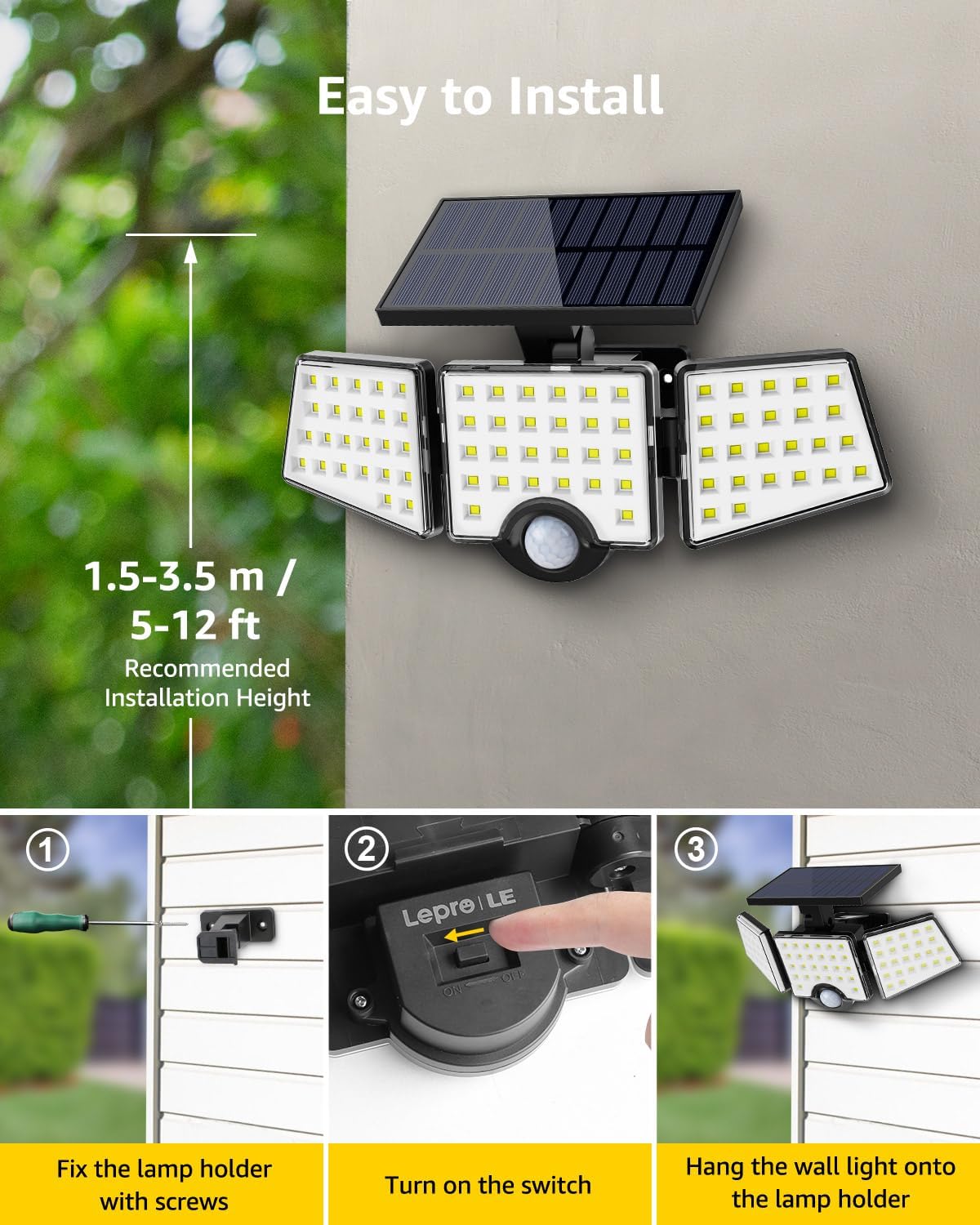
Foto 4.1: Usoro ntinye nzọụkwụ site na nzọụkwụ.

Image 4.2: Fixing the lamp njide na kposara.

Image 4.3: Activating the light using the mode switch.

Image 4.4: Hanging the light onto the lamp njide.
5. Ntuziaka ọrụ
The LE Solar Outdoor Motion Sensor Light operates automatically based on ambient light and motion detection.
- Arụ ọrụ ụbọchị: The light will remain off during the day and the solar panel will charge the internal battery using sunlight. Ensure the solar panel is clean and exposed to direct sunlight for optimal charging.
- Ịrụ ọrụ abalị: Once it gets dark, the motion sensor becomes active. When motion is detected within its 16-26 ft range and 120° angle, the light will automatically turn on at full brightness.
- Nwepu akpaaka: The light will automatically turn off approximately 20 seconds after no further motion is detected.

Image 5.1: Solar charging and motion-activated lighting cycle.
6. Nlekọta
To ensure optimal performance and extend the lifespan of your solar light, follow these maintenance guidelines:
- Hichaa ogwe anyanwụ: Jiri nwayọ na-ehichapụ akụkụ anyanwụ mgbe niile, damp cloth to remove dust, dirt, and debris. A clean panel ensures efficient sunlight absorption and charging.
- Kpochapụ ihe mgbochi: Ensure no trees, bushes, or other objects are blocking direct sunlight from reaching the solar panel, especially during peak sunlight hours.
- Lelee maka mmebi: Periodically check the light for any physical damage, loose connections, or signs of wear.
- Nguzogide ihu igwe: The light is designed with IP65 waterproofing, making it resistant to rain, heat, and frost. However, extreme weather conditions may temporarily affect performance.

Image 6.1: IP65 waterproof, heat, and frost resistance features.
7. Nchọpụta nsogbu
If your solar light is not functioning as expected, consider the following common issues and solutions:
- Ìhè anaghị agbanye n'abalị:
- Gbaa mbọ hụ na mgba ọkụ ọkụ dị n'ọnọdụ ON.
- Verify the solar panel is receiving sufficient direct sunlight (at least 8 hours) during the day. Relocate if necessary.
- Check if the solar panel is dirty or obstructed. Clean it thoroughly.
- Confirm it is dark enough for the light to activate. The light has a built-in photocell sensor.
- Light stays on for a short period or is dim:
- Insufficient charging due to cloudy weather, shade, or a dirty solar panel. Allow for more charging time or clean the panel.
- The battery may not be fully charged. Ensure optimal sun exposure.
- A naghị achọpụta ihe mmetụta mmegharị:
- Gbaa mbọ hụ na egbochighị ihe mmetụta.
- Verify the light is installed within the recommended height range (1.5-3.5 meters).
- Test the sensor by walking within its detection range.
8. Nkọwapụta
| Nkọwapụta | Nkọwa |
|---|---|
| Ụdị | ekpenta |
| Aha Nlereanya | WL4000 |
| Nọmba akụkụ | 640003-DW |
| Ụdị isi iyi ọkụ | Ikanam |
| Icha ọkụ | 1000 Lumen |
| Okpomọkụ agba | 6500K ìhè ụbọchị |
| Number of Light Heads | 3 |
| Igwe ọkụ | 270° |
| Anya nchọpụta ihe mmetụta ngagharị | 16-26 ft (5-8 m) |
| Akụkụ nchọpụta ihe mmetụta ngagharị | 120° |
| Ọkwa Nguzogide mmiri | Ihe mgbochi mmiri IP65 |
| Isi Iyi Ike | Ike anyanwụ |
| Batrị | 1 batrị lithium ion (gụnyere) |
| Ihe onwunwe | ABS+GPPS |
| Akụkụ ngwaahịa | 11.1"L x 4.65"W x 5.87"H |
| Ibu Ibu | 14.8 ounces |
9. Akwụkwọ ikike na nkwado
For warranty information or technical support, please contact Lepro Customer Service. Details regarding your product's warranty period can be found with your purchase documentation or by contacting the seller directly. Please retain your proof of purchase for any warranty claims.


