1. Okwu mmalite
The Hitachi MAF0123 Mass Air Flow (MAF) Sensor is a critical component designed to accurately measure the amount and characteristics of air entering your vehicle's engine. This precise measurement is essential for the Engine Control Unit (ECU) to calculate the correct fuel injection quantity and ignition timing, ensuring optimal engine performance, fuel efficiency, and compliance with emission standards. Hitachi MAF sensors are engineered with precision elements and high-quality components to provide enhanced durability and reliable operation. Each sensor undergoes 100% air flow testing and is calibrated for specific vehicle applications.
2. Ngwaahịa gafereview
The Hitachi MAF0123 sensor is an original equipment part designed to restore original drivability characteristics and meet OE performance and durability standards. Key features include:
- New original equipment part for reliable replacement.
- Restores original drivability characteristics for consistent vehicle performance.
- Meets OE performance and durability standards for the specified application.
- Precision manufactured and assembled sensing elements for accurate air flow measurements.
- Built-in contaminant bypass port provides reliable operation and increases longevity.
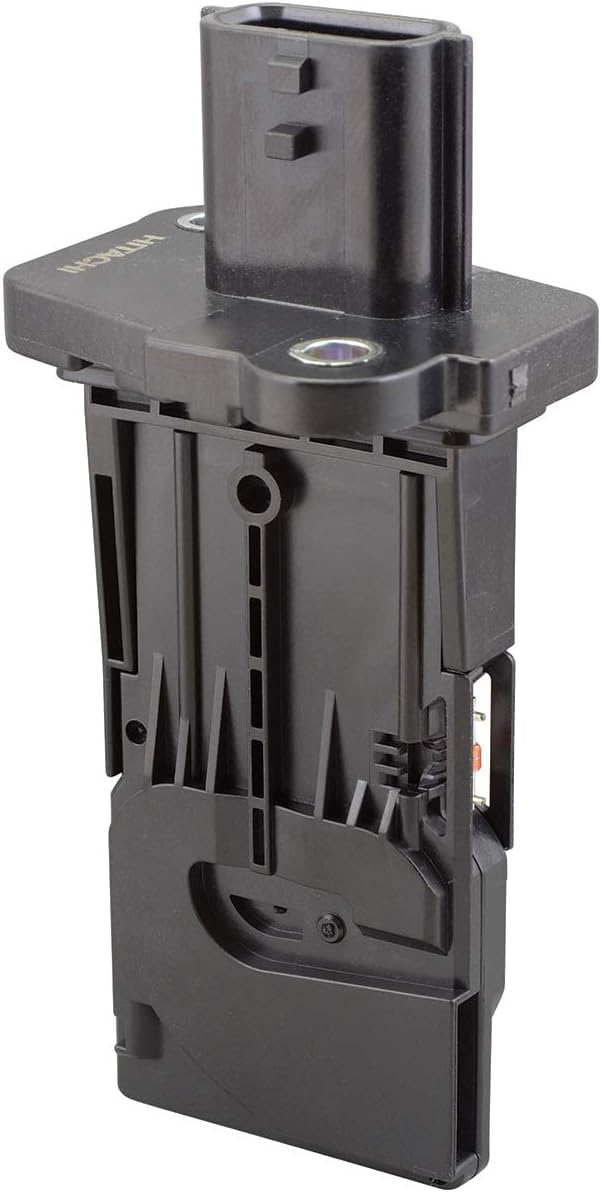
Foto 1: N'ihu view of the Hitachi MAF0123 Mass Air Flow Sensor.
3. Ngwa gụnyere
The package for the Hitachi MAF0123 includes:
- 1 x Hitachi MAF0123 Mass Air Flow Sensor

Figure 2: Connector view of the Hitachi MAF0123 Mass Air Flow Sensor.
4. Nwụnye
Proper installation of the MAF sensor is crucial for its correct function and vehicle performance. It is recommended that installation be performed by a qualified automotive technician. Incorrect installation can lead to engine performance issues or damage to the sensor or vehicle.
4.1 Nchekwa nchekwa
- Gbanyụọ batrị ụgbọala ahụ mgbe niile tupu ịmalite ọrụ eletriki ọ bụla.
- Hụ na injin ahụ dị jụụ ma ọ bụrụ na ọ dị mkpa ka ọ ghara ịgba ọkụ.
- Yiri akụrụngwa nchekwa nkeonwe kwesịrị ekwesị (PPE), dị ka uwe aka na nchebe anya.
- Rụtụ aka na ntuziaka ọrụ ụgbọ ala gị maka ntuziaka akọwapụtara na nkọwapụta ike.
4.2 Nzọụkwụ nwụnye n'ozuzu
- Locate the existing MAF sensor in the air intake system, typically between the air filter box and the throttle body.
- Jiri nlezianya wepụ njikọ eletriki ahụ na sensọ ochie ahụ.
- Remove the mounting screws or clamps securing the old sensor.
- Gently remove the old MAF sensor from its housing.
- Install the new Hitachi MAF0123 sensor into the housing, ensuring it is seated correctly.
- Secure the new sensor with the mounting screws or clamps, tightening to the manufacturer's specifications.
- Reconnect the electrical connector to the new sensor, ensuring a secure connection.
- Jikọọ batrị ụgbọ ala.
- Start the engine and check for any warning lights or unusual operation. It may be necessary to clear any stored diagnostic trouble codes (DTCs) using an OBD-II scanner.
5. Ọrụ
The Hitachi MAF0123 sensor continuously monitors the mass of air flowing into the engine. This data is transmitted to the vehicle's ECU, which uses it to precisely control the air-fuel mixture. A properly functioning MAF sensor ensures that the engine receives the correct amount of fuel for the given air intake, leading to efficient combustion, optimal power output, and reduced emissions. Any malfunction in the MAF sensor can result in symptoms such as rough idling, poor acceleration, decreased fuel economy, or the illumination of the Check Engine Light.
6. Nlekọta
The Hitachi MAF0123 sensor is designed for long-term reliability. Regular maintenance of your vehicle's air intake system can help prolong the life and accuracy of the MAF sensor:
- Ndochi ihe nzacha ikuku: Regularly replace your engine's air filter according to your vehicle manufacturer's recommendations. A dirty air filter can restrict airflow and allow contaminants to reach the MAF sensor, affecting its readings.
- Nhicha: If necessary, the MAF sensor can be carefully cleaned using a specialized MAF sensor cleaner. Avoid touching the sensing elements directly, as they are delicate. Always follow the cleaner product's instructions.
- Nyocha: Periodically inspect the sensor and its wiring for any signs of damage, corrosion, or loose connections.
7. Nchọpụta nsogbu
If you experience issues with your vehicle's engine performance after installing or while using the MAF0123 sensor, consider the following:
- Lelee ọkụ igwe: If the Check Engine Light (CEL) illuminates, retrieve Diagnostic Trouble Codes (DTCs) using an OBD-II scanner. Common MAF sensor related codes include P0100, P0101, P0102, P0103, and P0104.
- Okwu njikọ: Ensure the electrical connector is fully seated and free from corrosion. Check for any damaged or frayed wiring leading to the sensor.
- Mgbapụta ikuku: Inspect the air intake system for any vacuum leaks or unmetered air entering the engine after the MAF sensor.
- Mmetọ Sensọ: A dirty sensor can provide inaccurate readings. Consider cleaning the sensor as described in the Maintenance section.
- ndakọrịta: Verify that the MAF0123 is the correct part number for your specific vehicle make, model, and year. Refer to your vehicle's service manual or a reputable parts catalog.
Ọ bụrụ na usoro nchọpụta nsogbu edozighị nsogbu ahụ, gakwuru ọkachamara n'ihe gbasara ụgbọala.
Video 1: Product display and fitment information for a Mass Air Flow Sensor (22680-CA000 / 22680-7S000) by Yukrotor. This video provides a visual overview of a similar MAF sensor and lists compatible Nissan vehicle models from 2003-2015.
Video 2: A general product display video for an automotive sensor by DIGISHUO1CA. This video showcases the physical appearance and various angles of a sensor, similar to the MAF0123.
8. Nkọwapụta
| Onye nrụpụta | Hitachi Automotive Systems |
| Ụdị | Hitachi |
| Nọmba nlereanya | MAF0123 |
| Nọmba akụkụ OEM | 22680-3VA0A |
| Akụkụ ngwaahịa (L x W x H) | 4.19 x 4.57 x 9.3 cm (1.65 x 1.80 x 3.66 inch) |
| Ibu Ibu | 81.65g (0.18 pound) |
| Ihe onwunwe | Ọla |
| Mputa | Ejiri igwe |
| Oke ọkọnọ Voltage | 12 volts (DC) |
| Izizi nha nha | Elu |
| Ụdị nkwụnye | Ugwu Flange |
| Ụdị mmepụta | Dijitalụ |
| Ojiji akọwapụtara maka ngwaahịa | Sensọ Flow ikuku |
9. Akwụkwọ ikike na nkwado
For information regarding product warranty, please refer to the documentation provided with your purchase or contact Hitachi Automotive Systems directly. For technical support or further assistance, please reach out to Hitachi customer service or consult a certified automotive professional.


