Ngwaahịa gafereview
CalAmp LMU-330 is an economical, full-featured vehicle tracking product designed for covert and reliable installation in automobiles. This device utilizes 2G GSM / GPRS technology for communication and operates on 850/1900 MHz frequencies. It is equipped with an internal battery and antenna, making it a versatile solution for various automotive track and trace applications.
The LMU-330 is an ideal solution for applications such as stolen vehicle recovery, vehicle finance management, and auto rental tracking, providing reliable GPS tracking capabilities.
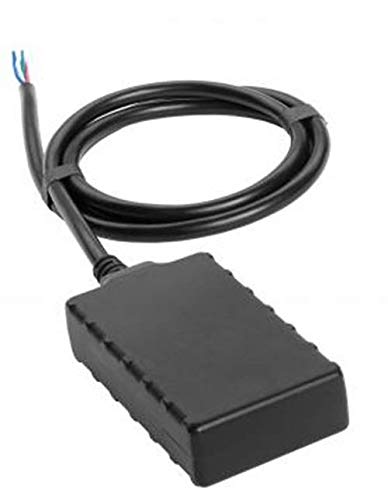
Image: The CalAmp LMU-330 GPS Tracker, a compact black rectangular device with an integrated wiring harness extending from one end. The wires are typically used for power and data connections within a vehicle.
Ntọala na nwụnye
The LMU-330 is designed for professional installation due to its hardwired nature. Proper installation ensures optimal performance and reliability.
Ndepụta nwụnye tupu etinyere:
- Ensure the vehicle's electrical system is compatible with the device's power requirements.
- Identify a secure, covert location within the vehicle for installation, away from direct heat or moisture.
- Gather necessary tools: wire strippers, crimpers, multimeter, electrical tape, zip ties, and appropriate connectors.
- Verify the device's internal battery is charged or will receive power upon installation.
Nzọụkwụ nwụnye:
- Disconnect Vehicle Battery: For safety, disconnect the vehicle's negative battery terminal before beginning any wiring.
- Tinye ngwaọrụ ahụ: Securely mount the LMU-330 in the chosen covert location. Ensure the device has a clear line of sight to the sky for optimal GPS signal reception, if possible, or at least not completely enclosed by metal.
- Njikọ waya:
- Connect the device's power wire (typically red) to a constant 12V DC power source in the vehicle.
- Connect the device's ground wire (typically black) to a reliable chassis ground point.
- If applicable, connect ignition sense wire (often white or yellow) to a circuit that is active only when the ignition is on.
- Secure all connections using crimp connectors and insulate with electrical tape or heat shrink tubing.
- Reconnect Vehicle Battery: Jikọọ ọnụ batrị adịghị mma nke ụgbọ ala.
- Nyochaa ọrụ: Check for LED indicators on the device (if present) to confirm power and network connectivity. Perform initial tests to ensure GPS tracking data is being transmitted.
Na-arụ ọrụ ngwaọrụ
CalAmp LMU-330 operates autonomously once properly installed and configured. It continuously monitors and transmits location data and other relevant vehicle parameters using its integrated GPS and 2G GSM/GPRS modules.
Akụkụ ndị dị mkpa:
- Automatic Tracking: The device automatically begins tracking and transmitting data once powered on and connected to the cellular network.
- Mbufe data: Location data, speed, ignition status, and other configured parameters are sent to a designated server or platform via the 2G GPRS network.
- Batrị dị n'ime: The integrated battery provides backup power, allowing the device to continue tracking even if the primary vehicle power is interrupted.
- Geofencing: Depending on the backend platform, the device can support geofencing capabilities, triggering alerts when the vehicle enters or exits predefined areas.
- Mkpu na ọkwa: The system can be configured to send alerts for various events, such as ignition on/off, unauthorized movement, or power disconnection.
Access to tracking data and device configuration is typically managed through a web-based portal or mobile application provided by your service provider.
Nlekọta
CalAmp LMU-330 is designed for low maintenance. However, periodic checks can help ensure its continued reliability and performance.
Usoro Mmezi Akwadoro:
- Iguzosi ike n'ezi ihe njikọ: Periodically inspect the wiring connections to ensure they remain secure and free from corrosion.
- Ndokwa ngwaọrụ: Ensure the device remains securely mounted in its original location and has not shifted, which could affect GPS signal reception.
- Mmelite ngwanrọ: While typically managed remotely by your service provider, ensure the device's firmware is up-to-date for optimal performance and security.
- Nyocha gburugburu: Verify that the installation location remains free from excessive moisture, dust, or extreme temperatures that could damage the device.
Avoid attempting to open the device casing, as this may void any warranties and could damage internal components.
Nchọpụta nsogbu
If you encounter issues with your LMU-330 GPS Tracker, refer to the following common troubleshooting steps:
| Nsogbu | Ihe nwere ike ime | Ngwọta |
|---|---|---|
| No GPS Signal / Inaccurate Location |
|
|
| No Data Transmission (No tracking updates) |
|
|
| Ngwaọrụ anaghị agbanwu ọkụ |
|
|
For issues not covered here, please contact your CalAmp service provider or authorized dealer for further assistance.
Nkọwapụta
| Nọmba nlereanya | LMU0330G-7-G1000 |
| Ụdị | CalAmp |
| Ụdị Ihe | Tracker: Fleet / Asset |
| Nkà na ụzụ | 2G GSM / GPRS |
| Ugboro ugboro | 2G: 850/1900 MHz |
| Onye na-ebu | Multiple Carriers |
| Atụmatụ | Internal Battery + Internal Antenna |
| Teknụzụ Njikọta | Cellular |
| Atụmatụ pụrụ iche | Enwere ike ibugharị |
| Ngwa akwadoro | Oti mkpu |
| Ihe eji eme ihe maka ngwaahịa | Ndepụta ụgbọ ala |
| Kedu ihe dị na Igbe ahụ | Battery (internal) |
| Onye nrụpụta | CalAmp |
| Ụbọchị mbụ dị | Ọgọst 16, 2019 |
| ASIN | B07WN37KR8 |
Akwụkwọ ikike na nkwado
Information regarding the specific warranty terms and conditions for the CalAmp LMU-330 is not available in this manual. For warranty details, technical support, or service inquiries, please contact your authorized CalAmp dealer or the service provider from whom you purchased the device.
It is recommended to retain your purchase receipt and any service agreements for future reference.


