Okwu mmalite
This manual provides detailed instructions for the setup, operation, maintenance, and troubleshooting of your TOTU 9-in-1 USB C Hub. Please read this manual thoroughly before using the product to ensure optimal performance and longevity.
Njirimara ngwaahịa
The TOTU 9-in-1 USB C Hub is designed to expand the connectivity of your USB-C enabled devices, offering a versatile solution for various peripherals.
- Multiport Connectivity: Includes 1 Ethernet/RJ-45 Port, 1 USB Type-C Female PD charging port, 1 HDMI port, 1 Card Reader for SD, 1 Card Reader for TF, 1 USB 2.0 Type-A port, and 2 USB 3.0 Type-A ports.
- Effortless Data Transfer: Connect smartphones, tablets, hard drives, or other USB peripherals via USB 3.0 Ports for high-speed data transfer (up to 5Gbps). The USB 2.0 port is ideal for low-rate devices like mice and keyboards.
- Dual Card Reading: Built-in SD/TF card reader allows simultaneous access to files from universal memory cards.
- gigabit Ethernet: 1000Mbps Ethernet port ensures a stable and faster-wired network connection.
- Nnyefe ike (PD): Supports PD charging at a maximum of 87W, allowing you to securely charge your connected MacBook or other Type-C laptops through the hub.
- 4K HDMI mmepụta: Provides high-definition video output up to 4K resolution, perfect for connecting to external monitors, projectors, or HDTVs.
- Kọmpat na ibugharị: Lightweight and compact design makes it easy to carry for business travel and on-the-go use.

Nyocha 1: N'eluview of the TOTU 9-in-1 USB C Hub and its various connectivity options.

Ọgụgụ 2: Zuru ezu view of the hub's ports, including USB-C charging, HDMI, TF/SD card readers, Ethernet, USB 2.0, and USB 3.0 ports.

Figure 3: Illustration of the hub providing fast charging and 5Gbps data transfer to connected devices.

Figure 4: The hub enabling 4K HD video output from a laptop to a larger display, such as a monitor, projector, or HDTV.

Figure 5: The hub's USB 3.0 and USB 2.0 ports supporting various high-speed and low-speed devices like thumb drives, keyboards, mice, and phones.

Figure 6: The hub providing instant and stable wired internet access up to 1 Gbps via its Ethernet port.

Figure 7: The non-slip, compact design of the hub, making it an ideal accessory for MacBook Pro and similar devices.
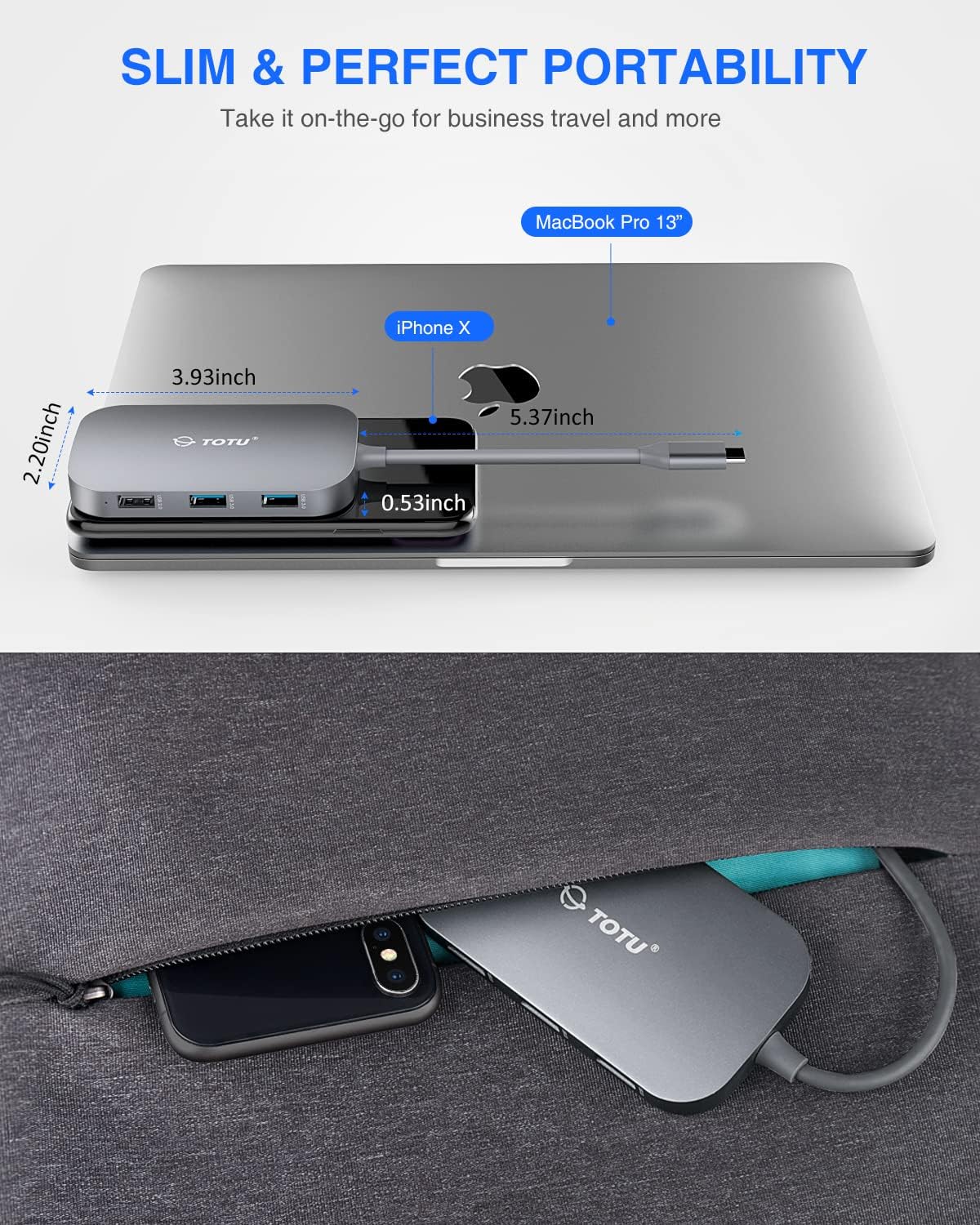
Figure 8: The slim and portable nature of the hub, demonstrating its ease of transport for business or travel.
Ihe ngwugwu
Biko chọpụta na ihe niile dị na ngwugwu gị:
- 1 x TOTU USB C Hub
- 1 x Akwụkwọ ntuziaka onye ọrụ
Melite
- Nyocha ndakọrịta Ensure your device's USB-C port supports DisplayPort Alt Mode and Power Delivery. Refer to your device's specifications for compatibility.
- Jikọọ Hub: Plug the USB-C connector of the TOTU hub into the USB-C port on your laptop or compatible device.
- Njikọ Ike (Nhọrọ): If your laptop requires charging or if you are connecting power-intensive peripherals, connect your laptop's original USB-C power adapter to the USB Type-C Female PD charging port on the hub.
- Ngwa njikọ: Connect your desired peripherals (e.g., HDMI monitor, Ethernet cable, USB drives, SD/TF cards, keyboard, mouse) to the corresponding ports on the hub.
- Nwụnye ọkwọ ụgbọala: The hub is generally plug-and-play. For certain operating systems (e.g., Windows) or specific functions (e.g., Ethernet, SD card reader), manual driver installation might be required if not automatically recognized. Refer to the troubleshooting section if issues arise.
Ntuziaka ọrụ
Once the hub is connected, you can utilize its various ports:
- Ọdụ ụgbọ mmiri HDMI: Connect an HDMI cable from the hub to your external monitor, projector, or HDTV. Your device should automatically detect the external display. Adjust display settings (resolution, mirroring/extending) through your operating system's display preferences. Supports up to 4K resolution.
- Ọdụ Ethernet (RJ-45): Connect an Ethernet cable from your router or modem to the RJ-45 port on the hub for a stable wired network connection. Ensure your device's network settings are configured for wired connection.
- USB 3.0 Ports (2x): Use these ports for high-speed data transfer with USB 3.0 compatible devices such as external hard drives, SSDs, or high-speed flash drives. They are also backward compatible with USB 2.0/1.1 devices.
- Ọdụ ụgbọ mmiri USB 2.0 (1x): Ideal for connecting low-bandwidth devices like keyboards, mice, or printers to avoid interference with high-speed USB 3.0 devices.
- USB Type-C PD Charging Port: This port is for power input only. Connect your laptop's USB-C power adapter here to charge your laptop while using the hub. It supports up to 87W power delivery. This port does not support data transfer.
- SD/TF Card Readers: Insert your SD or TF (microSD) cards into the respective slots. Both card slots can be used simultaneously for data access. Your device will recognize them as removable storage.
Nlekọta
- Nhicha: Use a soft, dry cloth to clean the hub. Avoid using liquid cleaners or aerosols.
- Nchekwa: Chekwaa oghere ahụ n'ebe dị jụụ, kpọrọ nkụ na-adịghị na ìhè anyanwụ kpọmkwem na oke okpomọkụ.
- Ijikwa: Avoid dropping the hub or subjecting it to strong impacts. Do not attempt to disassemble or modify the device.
- Nlekọta ọdụ ụgbọ mmiri: Ensure connectors are inserted gently and correctly into the ports to prevent damage.
Nchọpụta nsogbu
- Enweghị mmepụta ngosipụta site na HDMI:
- Ensure your device's USB-C port supports DisplayPort Alt Mode.
- Check the HDMI cable connection between the hub and the display.
- Verify the input source on your monitor is set to the correct HDMI port.
- Gbalịa eriri HDMI ma ọ bụ ihe nleba anya dị iche.
- Malitegharịa ekwentị gị na kọmputa.
- Nsogbu Njikọ Ethernet:
- Gbaa mbọ hụ na ejikọrọ eriri Ethernet nke ọma na ma hub yana rawụta/modem gị.
- Check your computer's network settings to ensure the wired connection is enabled and configured correctly.
- If using Windows, and the Ethernet port is not recognized, you may need to manually install a generic Broadcom NetXtreme driver.
- Gbalịa eriri Ethernet dị iche.
- Achọpụtaghị ngwaọrụ USB:
- Hụ na etinyere ngwaọrụ USB nke ọma n'ọdụ ụgbọ mmiri nke ebe nchekwa ahụ.
- Try connecting the USB device to a different port on the hub or directly to your computer to rule out device issues.
- Some high-power USB devices may require external power if the hub's PD port is not connected to a power source.
- SD/TF Card Reader Not Working:
- Gbaa mbọ hụ na etinyere kaadị ahụ nke ọma n'ime oghere ziri ezi.
- Try a different SD/TF card.
- On Windows, if the card reader is not recognized, try reinstalling the generic Microsoft driver and manually assigning a drive letter in Disk Management.
- Charging Issues (PD Port):
- Ensure your laptop's original USB-C power adapter is connected to the hub's PD port.
- Hụ na laptọọpụ gị na-akwado nnyefe ike USB-C.
- Note that the HDMI output may briefly interrupt (2-3 seconds) if external USB-C power is removed from the hub. This is normal behavior.
Nkọwapụta
| Akụkụ ngwaahịa | 3.93 x 2.2 x 0.53 sentimita asatọ |
| Ibu Ibu | 2.4 ounces |
| Nọmba nlereanya | TT-HB001C |
| Ụdị | TOTU |
| Agba | Agba ntụ |
| Ngwaọrụ Akụrụngwa | Ethernet, HDMI, USB, USB 2.0, USB 3.0 |
| Njirimara Pụrụ Iche | Enwere ike ibugharị |
| Nnyefe ike | Ruo 87W |
| Ọsọ Ethernet | 10/100/1000Mbps |
| Mkpebi HDMI | Ruo 4K |
Akwụkwọ ikike na nkwado
For warranty information and technical support, please refer to the official TOTU websaịtị ma ọ bụ kpọtụrụ ndị ahịa ha ọrụ. Debe akwụkwọ nnata ịzụrụ maka akwụkwọ ikike.
You can visit the TOTU Store for more information: TOTU Store on Amazon


