1. Okwu mmalite
The Hioki CM3286 Clamp On Power Tester is a versatile instrument designed for precise measurement of electrical parameters. It is capable of measuring voltage, current, power, power factor, phase angle, reactive power, and frequency. Additionally, it can detect phase sequence on live lines within single-phase or three-phase circuits at any desired point. This manual provides essential information for the safe and effective operation, maintenance, and troubleshooting of your CM3286 device.
2. Ozi nchekwa
WARNING: Read all safety warnings and instructions before using this product. Failure to follow the warnings and instructions may result in electric shock, fire, or serious injury.
- Always observe local and national safety codes.
- Do not use the device if it appears damaged or is operating abnormally.
- Hụ na ngwaọrụ ahụ nwere ọkwa maka voltage and current levels you intend to measure.
- Wear appropriate personal protective equipment (PPE), such as insulated gloves and eye protection.
- Avoid touching live conductors with bare hands or non-insulated tools.
- Do not operate the device in wet environments or explosive atmospheres.
- Keep fingers behind the tactile barrier on the instrument during measurements.
- Disconnect the device from the circuit before opening the battery compartment.
3. Ihe ngwugwu
Verify that all items listed below are present and undamaged upon opening the package:
- Hioki CM3286 Clamp On Power Tester Unit
- Nnwale Ndị Na-edu (Uhie na Oji)
- Akpa na-ebu
- Batrị AAA (x2)
- Akwụkwọ ntuziaka (akwụkwọ a)
4. Njirimara ngwaahịa na akụrụngwa

Figure 4.1: Hioki CM3286 Clamp On Power Tester (Overall View)
This image displays the complete Hioki CM3286 Clamp On Power Tester, showcasing its ergonomic design, the large clamp jaw for current measurement, and the clear digital display. The function dial and various control buttons are visible on the front panel.
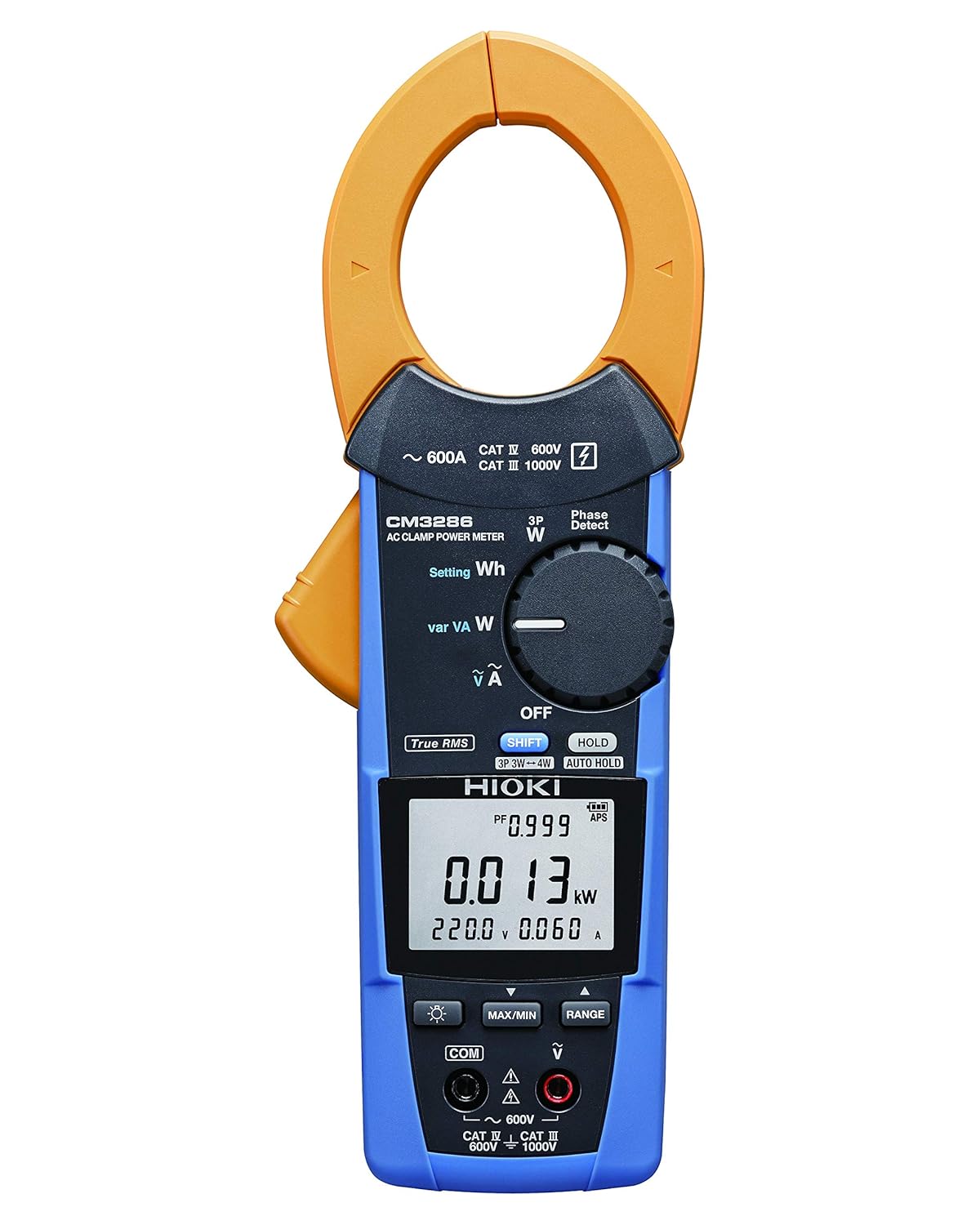
Figure 4.2: Hioki CM3286 Clamp On Power Tester (Front Panel Detail)
This image provides a closer look at the front panel of the Hioki CM3286, highlighting the digital display, the rotary function dial with various measurement settings (e.g., W, Wh, V, A), and the control buttons such as SHIFT, HOLD, MAX/MIN, and RANGE. The input terminals for voltage measurement are also visible at the bottom.
Isi ihe:
- Clamp Nkịta: Used for non-contact AC current measurement.
- Ịkpọ oku ọrụ: Selects the desired measurement mode (e.g., Voltage, Current, Power, Frequency).
- Ngosipụta LCD: Na-egosi ọgụgụ nha, nkeji, na ihe ngosi.
- Ọnụ ntinye: Maka ijikọ ndị ndu ule maka voltage and other measurements.
- Bọtịnụ jide: Na-akpọchi ọgụgụ ngosi dị ugbu a.
- Bọtịnụ MAX/MIN: Records maximum and minimum readings.
- Bọtịnụ RANGE: Manually selects the measurement range.
- Bọtịnụ SHIFT: Accesses secondary functions marked in blue on the dial.
5. Nhazi
5.1. Ntinye batrị
- Gbaa mbọ hụ na agbanyụrụ ngwaọrụ ahụ.
- Locate the battery compartment cover on the rear of the unit.
- Jiri skruvaịrọd (ọ bụrụ na ọ dị mkpa) mepee mkpuchi ahụ.
- Insert two (2) AAA batteries, observing the correct polarity (+/-) as indicated inside the compartment.
- Dochie mkpuchi nchekwa batrị ma chekwaa ya.
5.2. Ike izizi
After battery installation, turn the function dial from "OFF" to any measurement setting to power on the device. The display should illuminate, indicating readiness for use.
6. Ntuziaka ọrụ
6.1. Gbanyụọ / gbanyụọ
- To power on, rotate the function dial from the "OFF" position to the desired measurement function.
- To power off, rotate the function dial back to the "OFF" position.
6.2. Nha AC (Cl)amp)
- Rotate the function dial to the "A" (Current) setting.
- Mepee clamp jaw by pressing the lever.
- Enclose only one conductor (live or neutral) within the clamp agba. Hụ na agba ahụ emechiela nke ọma.
- Gụọ uru dị ugbu a na ngosipụta LCD.
6.3. Ụgbọ elutage Nleta (V)
- Rotate the function dial to the "V" (Voltage) ntọala.
- Connect the red test lead to the "V" input terminal and the black test lead to the "COM" input terminal.
- Connect the test leads in parallel across the circuit or component to be measured.
- Gụọ voltage uru na LCD ngosi.
6.4. Power Measurement (W, Wh, var, VA)
The CM3286 can measure various power parameters. Select the appropriate setting on the function dial (W for active power, Wh for energy, var for reactive power, VA for apparent power). Connect test leads for voltage na clamp the jaw around the current conductor as per the specific measurement method outlined in the full manual (not provided here, but implied by the device's capabilities).
6.5. Nleta ugboro ugboro (Hz)
Select the "Hz" setting on the function dial. Connect test leads across the circuit where frequency is to be measured, similar to voltage nha.
6.6. Phase Sequence Detection
The device features a "Phase Detect" function. Refer to the detailed instructions in the complete manual for proper connection and interpretation of phase sequence on single-phase or three-phase circuits.
6.7. Using Buttons (HOLD, MAX/MIN, RANGE, SHIFT)
- Jidesie: Press to freeze the current reading on the display. Press again to release.
- Oke/MIN: Press to enter Max/Min recording mode. The display will show the maximum or minimum value recorded since activation. Press again to cycle through Max, Min, and current readings.
- Dịgasị: Press to switch between auto-ranging and manual ranging. In manual ranging, press repeatedly to cycle through available ranges.
- Mgbanwe: Press to access secondary functions indicated in blue text next to the primary function on the dial.
7. Nlekọta
7.1. Nhicha
Jiri nwayọ hichaa ngwaọrụ ahụ, damp cloth. Do not use abrasive cleaners or solvents. Ensure the device is completely dry before storage or next use.
7.2. Ngbanwe batrị
When the low battery indicator appears on the display, replace the batteries promptly to ensure accurate measurements. Follow the battery installation steps outlined in Section 5.1.
7.3. Nchekwa
Store the device in its carrying case in a cool, dry place, away from direct sunlight and extreme temperatures. If storing for extended periods, remove the batteries to prevent leakage.
8. Nchọpụta nsogbu
| Nsogbu | Ihe nwere ike ime | Ngwọta |
|---|---|---|
| Ngwaọrụ anaghị agbanwu ọkụ. | Batrị nwụrụ anwụ ma ọ bụ arụnyere na ezighi ezi. | Lelee polarity batrị; dochie batrị. |
| No reading on display. | Incorrect function selected; open circuit; test leads not connected properly. | Select correct function; ensure circuit is complete; check test lead connections. |
| "OL" or "OVER" displayed. | Measurement exceeds selected range or device maximum. | Select a higher range (if manual ranging) or ensure measurement is within device limits. |
| Ọgụgụ na-ezighi ezi. | Low battery; environmental interference; damaged test leads. | Replace batteries; move away from strong electromagnetic fields; inspect and replace test leads if damaged. |
9. Nkọwapụta
| Oke | Uru |
|---|---|
| Nọmba nlereanya | CM3286 |
| Ụdị | Hioki |
| Akụkụ ngwugwu | 9.92 x 2.76 x 2.05 sentimita asatọ |
| Ibu Ibu | 0.45 Kilogram (15.87 ounces) |
| Batrị | 2 batrị AAA (gụnyere) |
| Isi Iyi Ike | Corded Electric (Note: This refers to the type of power it measures, not its own power source. The device is battery-powered.) |
| Onye nrụpụta | Hioki |
| Ụbọchị mbụ dị | Ọgọst 20, 2020 |
10. Akwụkwọ ikike na nkwado
For detailed warranty information, please refer to the warranty card included with your product or visit the official Hioki website. Hioki provides comprehensive customer support for its products.
If you encounter any issues not covered in this manual or require technical assistance, please contact Hioki customer support through their official channels. Ensure you have your product model number (CM3286) and purchase details ready when contacting support.
Rịba ama: Usoro na ọnọdụ akwụkwọ ikike nwere ike ịdị iche site na mpaghara.


