1. Okwu mmalite na gafereview
The eSSL KartString Biometric Time Attendance Machine is designed to provide efficient and secure time management and access control for organizations. This device utilizes fingerprint recognition technology to accurately record employee attendance, ensuring only authorized individuals are tracked. It features a clear display, a user-friendly keypad, and robust data storage capabilities, making it an essential tool for modern workforce management.
This manual provides detailed instructions for the setup, operation, and maintenance of your eSSL KartString Biometric Time Attendance Machine.
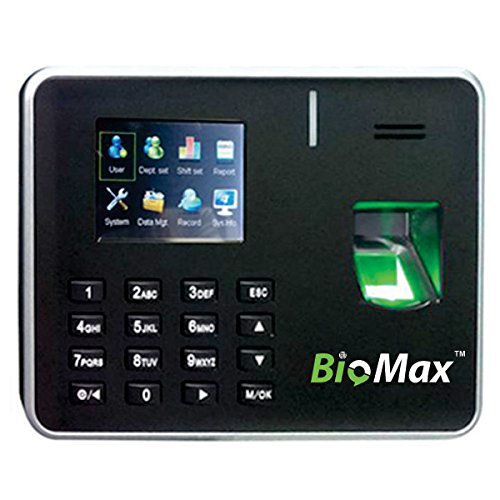
Foto 1: N'ihu view of the eSSL KartString Biometric Time Attendance Machine, showing the display, keypad, and fingerprint sensor.
2. Akụrụngwa Ngwaahịa
- Nchọpụta akara mkpịsị aka: Secure and accurate biometric identification for attendance.
- High Transaction Storage: Capable of storing up to 100,000 attendance records.
- Color TFT Display: A 2.8-inch color display for clear user interface and information display.
- Multiple Communication Methods: Supports TCP/IP for network connectivity and USB-host for data transfer.
- Integrated Keypad: Soft buttons for password entry and menu navigation.
- Nhazi kọmpat: Measures approximately 183 x 45 x 138 mm, suitable for various installation environments.
- Cloud-Based Software: Includes 6 months of cloud-based attendance management software by KartString for enhanced data management and reporting.
3. Nhazi ntuziaka
Follow these steps to set up your eSSL KartString Biometric Time Attendance Machine:
- Iwepu: Carefully remove the device from its packaging and ensure all components are present.
- Ịkwanye (Nhọrọ): Choose a suitable location for installation, typically near an entrance or exit. Secure the device to a wall using appropriate mounting hardware (not included, consult a professional if unsure).
- Njikọ ike: Connect the provided power adapter to the device's power input port and then plug it into a standard electrical outlet. The device will power on automatically.
- Network Connection (TCP/IP): For network-based data management, connect an Ethernet cable from your network router or switch to the device's LAN port.
- Nhazi izizi: Upon first power-on, the device may prompt for initial setup, such as date, time, and administrator registration. Follow the on-screen instructions.
4. Ntuziaka ọrụ
4.1 Administrator Registration
Before employees can use the system, an administrator must be registered to manage settings and user data.
- Pịa M/OK bọtịnụ iji nweta isi menu.
- Gaa na Njikwa onye ọrụ or Debanye aha onye ọrụ iji igodo akụ.
- Họrọ Register Admin ma ọ bụ nhọrọ yiri ya.
- Follow the on-screen prompts to scan the administrator's fingerprint multiple times for accurate registration.
- Assign administrator privileges as required.
4.2 Employee Fingerprint Enrollment
Each employee needs to register their fingerprint(s) to use the attendance system.
- Access the main menu as an administrator.
- Gaa na Njikwa onye ọrụ or Debanye aha onye ọrụ.
- Họrọ Onye ọrụ ọhụrụ or Debanye aha mkpịsị aka.
- Enter the employee ID (if prompted) and then instruct the employee to place their finger on the sensor.
- The device will prompt the employee to lift and place their finger several times for a complete scan.
- Confirm successful enrollment.
4.3 Recording Attendance
Employees can record their attendance by simply placing their registered finger on the sensor.
- Gbaa mbọ hụ na agbanyere ngwaọrụ ahụ yana na ọnọdụ njikere.
- The employee places their registered finger firmly on the fingerprint sensor.
- Upon successful recognition, the device will display a confirmation message (e.g., "Thank You" or "Punch In/Out Successful") and an audible prompt.
4.4 Njikwa data
Attendance data can be retrieved via TCP/IP network or USB-host.
- Via TCP/IP: Connect the device to your network. Use the provided cloud-based attendance management software or compatible third-party software to connect to the device and download attendance logs. Refer to the software's documentation for specific instructions.
- Via USB-Host: Insert a USB flash drive into the device's USB-host port. Navigate to Njikwa data or Budata data in the menu. Select the desired data (e.g., attendance logs, user data) and initiate the transfer to the USB drive.
5. Nlekọta
Ndozi mgbe niile na-eme ka arụ ọrụ kacha mma yana ogologo ndụ ngwaọrụ gị.
- Nhicha ihe mmetụta: Gently wipe the fingerprint sensor with a soft, dry, lint-free cloth. Avoid using abrasive materials or liquid cleaners directly on the sensor.
- Na-ehicha ngwaọrụ: Jiri nro dị nro damp cloth to clean the exterior of the device. Do not allow water or cleaning solutions to enter the device.
- Ndabere data: Regularly back up attendance data to an external storage device (USB) or through the network software to prevent data loss.
- Mmelite ngwanrọ: Check the eSSL website or contact support for any available firmware or software updates to ensure your device operates with the latest features and security enhancements.
6. Nchọpụta nsogbu
Akụkụ a na-ekwu maka nsogbu ndị ị nwere ike izute.
- Ngwaọrụ anaghị agba ọkụ:
- Gbaa mbọ hụ na ejikọrọ ihe nkwụnye ọkụ na nke ọma na ma ngwaọrụ yana oghere eletrik na-arụ ọrụ.
- Nyochaa na ntinye ọkụ na-arụ ọrụ site na nkwụnye na ngwaọrụ ọzọ.
- Achọpụtaghị akara mkpịsị aka:
- Ensure the finger is clean and dry.
- Place the entire pad of the registered finger firmly on the sensor.
- Try re-enrolling the fingerprint if recognition issues persist.
- Clean the fingerprint sensor as described in the Maintenance section.
- Cannot Connect to Network (TCP/IP):
- Verify the Ethernet cable is properly connected to both the device and the network router/switch.
- Check network settings on the device to ensure correct IP address, subnet mask, and gateway.
- Jide n'aka na rawụta netwọk gị na-arụ ọrụ nke ọma.
- USB Data Transfer Failure:
- Ensure the USB flash drive is properly inserted and formatted to a compatible file system (e.g., FAT32).
- Try a different USB flash drive.
- Verify there is sufficient space on the USB drive.
If you encounter issues not covered here, please refer to the support section.
7. Nkọwapụta
| Nlereanya | KartString Biomax K 21 |
| Ụdị | eSSL |
| Sensọ akara mkpịsị aka | Ihe mmetụta anya |
| Ike azụmahịa | 100,000 Ihe ndekọ |
| Ngosipụta | 2.8 Inch Color TFT |
| Nkwukọrịta | TCP/IP, USB-host |
| Akụkụ (L x W x H) | 183 x 45 x 138 mm (ihe dị ka) |
| Ibu Ibu | 650 g |
| Agba | Nwa |
8. Akwụkwọ ikike na nkwado
The eSSL KartString Biometric Time Attendance Machine comes with standard manufacturer warranty. Please refer to your purchase documentation for specific warranty terms and conditions.
For technical assistance, troubleshooting, or inquiries regarding the included 6-month cloud-based attendance management software by KartString, please contact eSSL customer support or your authorized dealer. Contact information can typically be found on the eSSL official websaịtị ma ọ bụ na nkwakọ ngwaahịa gị.
When contacting support, please have your product model (KartString Biomax K 21) and any relevant purchase details ready.


