1. Okwu mmalite
This manual provides comprehensive instructions for the operation and maintenance of your MIDAS DM16 16 Input Analogue Live and Studio Mixer. The DM16 is designed for both live performance and studio recording environments, featuring award-winning MIDAS microphone preamplifiers and robust construction.
Please read this manual thoroughly before operating the device to ensure proper usage and to maximize its lifespan.
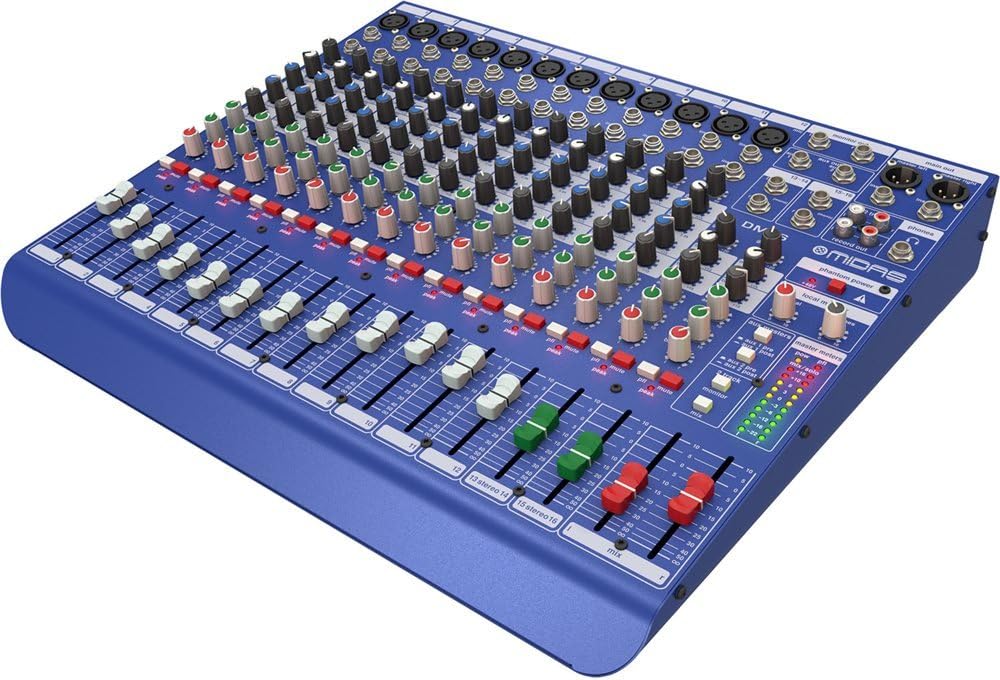
Ọgụgụ 1.1: Nkuku ihu view of the MIDAS DM16 mixer.
2. Nhazi
2.1 Mwepu na nyocha
Upon receiving your MIDAS DM16, carefully unpack the unit and inspect it for any signs of damage that may have occurred during transit. Retain the original packaging materials for future transport or storage.
Agụnyere na Igbe ahụ:
- MIDAS DM16 16-Input Analogue Live na Studio Mixer
- Ụdọ ọkụ
- Akwụkwọ ntuziaka (akwụkwọ a)
2.2 Njikọ ike
The DM16 operates on a standard AC power supply. Connect the provided power cord to the AC inlet on the rear panel of the mixer and then to a suitable power outlet. Ensure the power switch is in the 'Off' position before connecting to power.
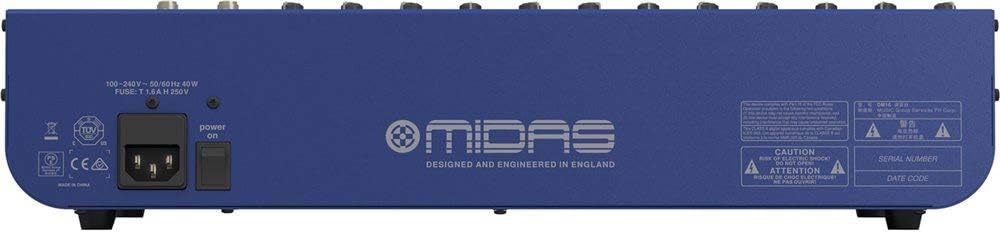
Figure 2.1: Rear panel of the MIDAS DM16 showing power input and warnings.
2.3 Njikọ ntinye na ntinye
The DM16 features a variety of input and output options for connecting microphones, instruments, and other audio devices.
- Ntinye igwe okwu: 12 mono input channels with XLR connectors for microphones. These channels feature MIDAS microphone preampndị na -enye ndụ.
- Ntinye ahịrị 2 electronically-balanced stereo line input channels on 1/4" TRS connectors for instruments or line-level devices.
- Main ndapụta: Connect to your main PA system or recording interface.
- Aux Sends: For monitor mixes or effects sends.
- Mmepụta ekweisi: For monitoring audio.
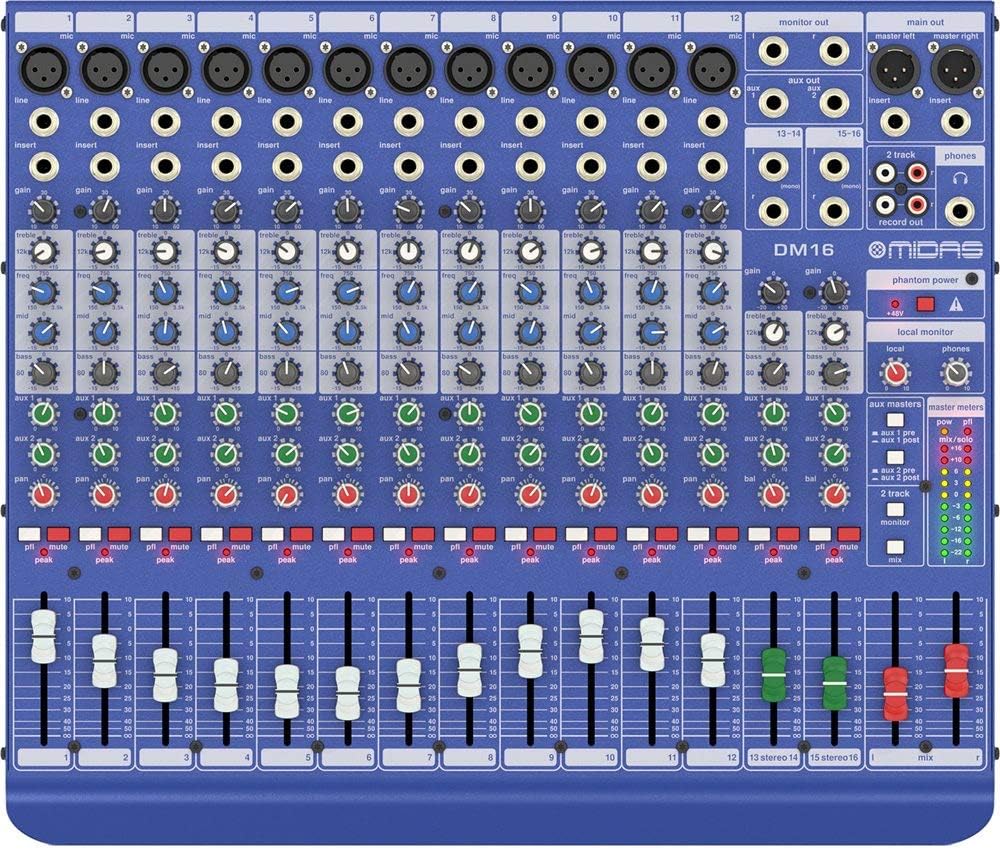
Foto 2.2: Top view of the MIDAS DM16 showing all input/output connections and controls.
3. Ntuziaka ọrụ
3.1 njikwa ọwa
Each mono input channel on the DM16 features the following controls:
- Nweta: Adjusts the input sensitivity for the microphone preampna -emegharị ihe.
- EQ: A 3-band equalizer with a swept mid-band for precise tone shaping.

Ọgụgụ 3.1: Zuru ezu view of the 3-band EQ section on a mono channel.
- AUX 1/2: Controls the level sent to the auxiliary outputs. These can be switched pre/post fader.

Figure 3.2: Aux masters section with pre/post fader switching.
- PAN: Na-agbanwe ọnọdụ stereo nke ọwa ahụ.
- IHE: Silences the channel.
- Ọkụ ọkụ kacha elu: Indicates when the input signal is clipping.
- AKW :KWỌ: Controls the output level of the channel to the main mix.

Figure 3.3: Channel faders for precise level control.
3.2 ike Phantom
The DM16 provides +48V phantom power for condenser microphones. This is a global switch, meaning it applies to all microphone inputs simultaneously. Ensure all connections are made before activating phantom power to prevent damage to non-phantom powered devices.

Figure 3.4: Phantom power switch.
3.3 Nleba anya
Use the headphone output and monitor controls to listen to the main mix or specific auxiliary sends. The monitor section includes controls for local monitor and phones output levels.

Figure 3.5: Monitor and headphone controls.
4. Nlekọta
Proper maintenance ensures the longevity and optimal performance of your MIDAS DM16 mixer.
- Nhicha: Use a soft, dry cloth to clean the exterior of the mixer. Avoid abrasive cleaners or solvents that could damage the finish or controls.
- Nchedo uzuzu: Keep the mixer covered when not in use to prevent dust accumulation, especially around faders and knobs.
- Igwe ikuku: Hụ na ikuku na-erugharị nke ọma gburugburu ngwaọrụ ahụ iji gbochie oke okpomọkụ. Ekpuchila oghere ikuku.
- Nchekwa: Store the mixer in a cool, dry environment away from direct sunlight and extreme temperatures.
5. Nchọpụta nsogbu
This section addresses common issues you might encounter with your DM16 mixer.
- Enweghị ike:
- Check if the power cord is securely connected to both the mixer and the power outlet.
- Nyochaa na ntinye ọkụ na-arụ ọrụ.
- Hụ na ihe mgba ọkụ eletrik dị na panel azụ dị n'ọnọdụ 'Gbanyụọ'.
- Enweghị mpụta ụda:
- Check all input and output cable connections.
- Ensure channel faders and the main mix fader are raised.
- Verify that the MUTE buttons on active channels are not engaged.
- Check the gain settings for each channel.
- Confirm that your connected speakers or monitoring system are powered on and functioning correctly.
- Ụda agbagọ:
- Reduce the GAIN setting on the input channel if the PEAK LED is frequently illuminating.
- Lower the output level of the connected source device.
- Lelee maka eriri ndị nwere nsogbu.
- Mkpọtụ ma ọ bụ mkpọtụ:
- Hụ na e nwere ihe nchekwa nke ọma na eriri niile ma dịkwa mma.
- Check for ground loops; try connecting all audio equipment to the same power strip.
- Debe waya ọdịyo ka ọ ghara ịdị nso na waya ike.
If you encounter issues not covered here, please refer to the support section.
6. Nkọwapụta
| Njirimara | Nkọwa |
|---|---|
| Ụdị ngwaahịa | Analogue Live na Studio Mixer |
| Ọsọ ọsọ Channels | 16 (12 mono, 2 stereo) |
| Igwe okwu Preampndị na -enye ndụ | Award-winning MIDAS preampndị na -enye ndụ |
| EQ on Mono Channels | 3-band with swept mid band |
| Aux na-eziga | 2 (with pre/post fader switching) |
| Isi Iyi Ike | Igwe ọkụ eletrik |
| Ibu Ibu | 11.02 pound (5.0 n'arọ) |
| Akụkụ ngwaahịa (L x W x H) | 17.24 x 14.57 x 3.74 sentimita (438 x 370 x 95 mm) |
| Mba onye si | China |
| Nọmba nlereanya | DM16 |
| Teknụzụ Njikọta | Enyemaka |
7. Akwụkwọ ikike na nkwado
7.1 Ozi akwụkwọ ikike
Your MIDAS DM16 mixer is covered by a limited warranty against defects in materials and workmanship. Please refer to the warranty card included with your product or visit the official MIDAS websaịtị maka nkọwa na usoro akwụkwọ ikike.
Mara: The warranty may not cover damage caused by improper use, unauthorized modifications, or natural disasters.
7.2 Nkwado ndị ahịa
For technical assistance, troubleshooting, or service inquiries, please contact MIDAS customer support through their official websaịtị ma ọ bụ ozi kọntaktị enyere na akwụkwọ ngwaahịa gị.
Akụrụngwa dị n'ịntanetị:
- Official MIDAS Websaịtị: www.midasconsoles.com
- Product Support Page: (Specific link if available, otherwise general websaịtị)
When contacting support, please have your product model number (DM16) and serial number ready.


