Okwu mmalite
This manual provides essential information for the safe and effective installation, operation, and maintenance of the Idec RH2B-UL-AC110-120V Electromechanical Relay. Please read this manual thoroughly before using the product to ensure proper function and to prevent potential hazards.
Ozi nchekwa
WARNING: Electrical shock hazard. Installation and maintenance should only be performed by qualified personnel. Disconnect all power before working with the relay.
- Always ensure power is disconnected before installation, wiring, or maintenance.
- Chọpụta voltaji ziri ezitage and current ratings before connecting the relay to a circuit.
- Do not operate the relay in environments exceeding its specified temperature or humidity limits.
- Ensure proper grounding where applicable.
Ngwaahịa gafereview
The Idec RH2B-UL-AC110-120V is a general-purpose electromechanical relay designed for various industrial control applications. It features a compact design and is suitable for DIN rail mounting.
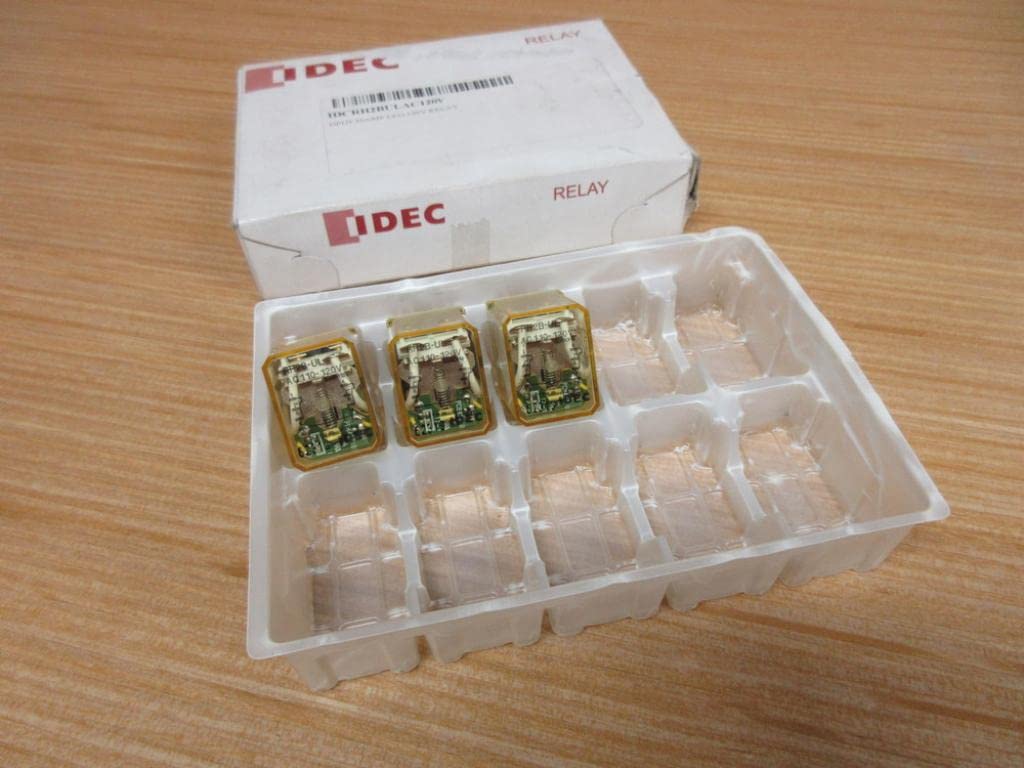
Figure 1: Idec RH2B-UL-AC110-120V Relays in their original packaging, showing a pack of four units.
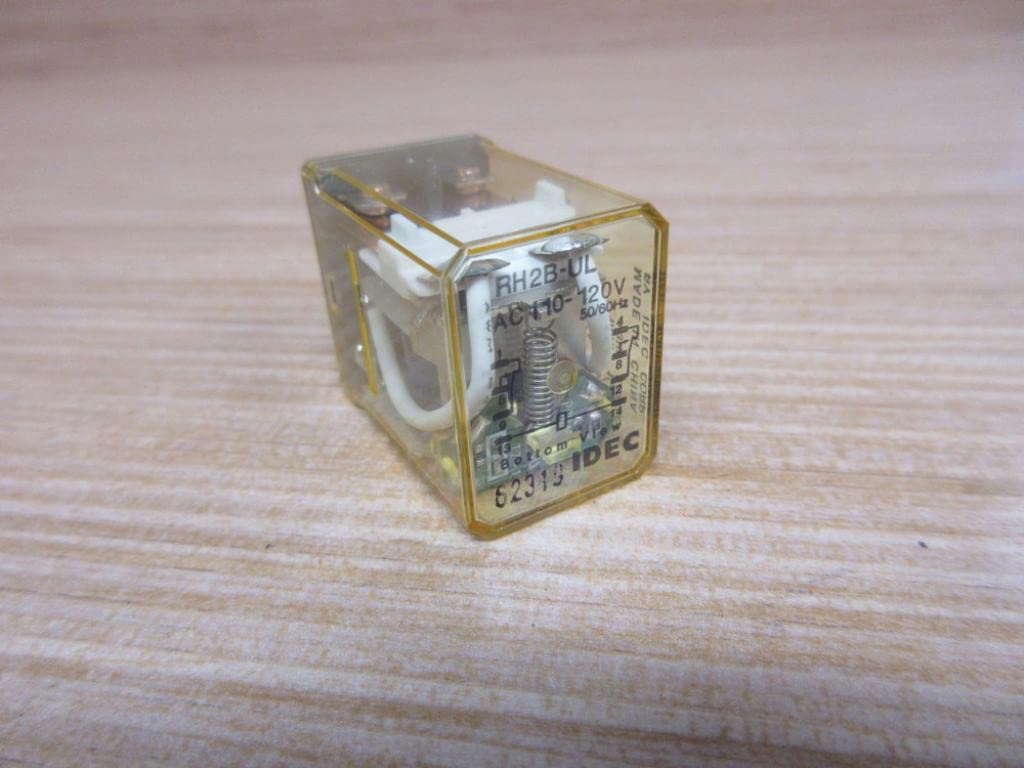
Figure 2: A single Idec RH2B-UL-AC110-120V relay, providing an angled view of the transparent casing and internal components.
Ntọala na nwụnye
Follow these steps for proper installation of the Idec RH2B-UL-AC110-120V Relay:
- Ịkwụsị ike: Ensure all power to the circuit is completely disconnected before beginning installation.
- Ịkwanye: The relay is designed for DIN Rail mounting. Securely attach the relay to a standard DIN rail in your control panel.
- Wiring: The relay utilizes through-hole connectors. Carefully connect the control circuit wiring to the coil terminals and the load circuit wiring to the contact terminals. Refer to the wiring diagram (if available in your system documentation) for specific terminal assignments.

Onyonyo 3: N'okpuru view of the relay, showing the through-hole connector pins for wiring connections.
- Voltage nkwenye: Kwenye na ọkọnọ voltage for the coil matches the relay's specified voltage nke 110-120V AC, 50/60Hz.
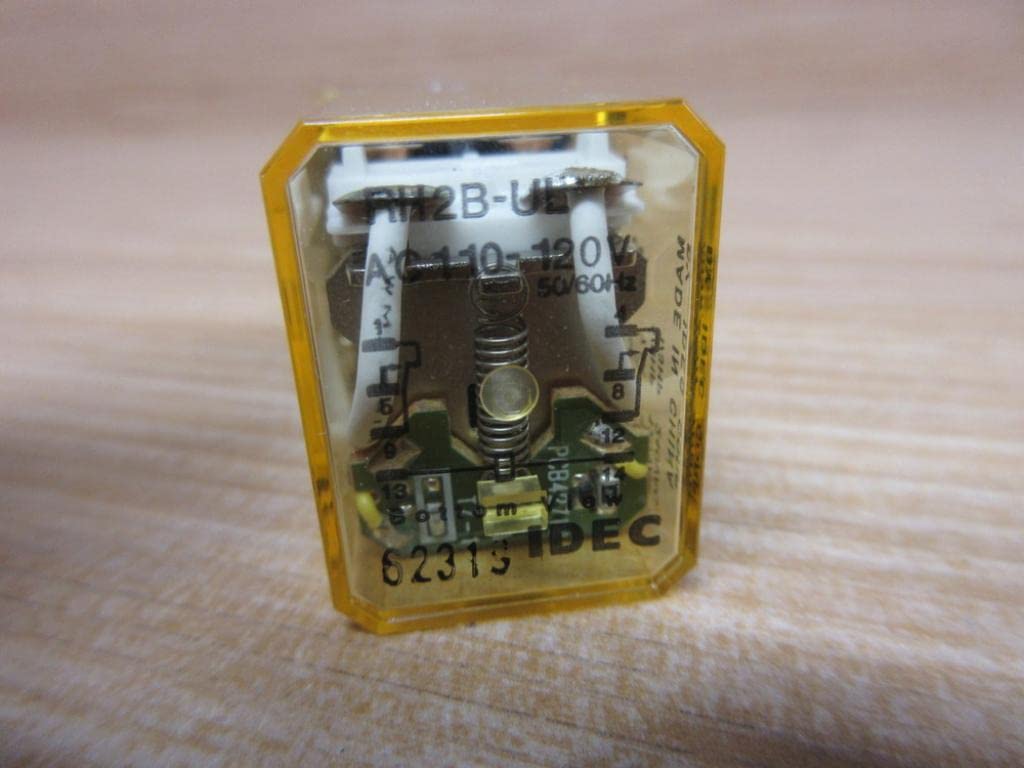
Ọgụgụ 4: nso nso view of the relay's transparent casing, highlighting the model number and voltage specifications (AC110-120V, 50/60Hz).
- Load Verification: Ensure the connected load does not exceed the relay's contact ratings (e.g., 10A resistive at 240VAC).
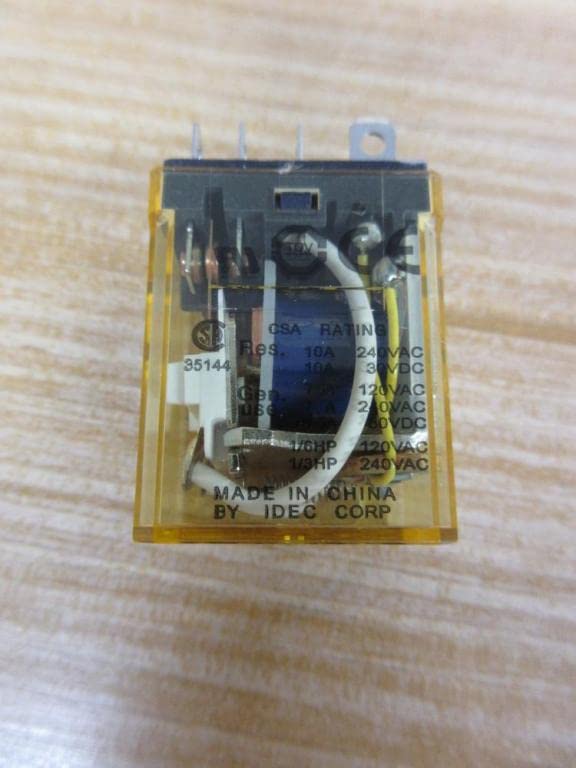
Foto 5: Akụkụ view of the relay, displaying detailed electrical ratings and certifications.
- Nyocha ikpeazụ: Before restoring power, double-check all connections for security and correctness.
Ntuziaka ọrụ
The Idec RH2B-UL-AC110-120V Relay operates automatically based on the control signal applied to its coil. When the specified AC voltage (110-120V) is applied to the coil, the relay contacts will switch, opening or closing the connected load circuit. When the voltage is removed, the contacts return to their original state.
- Ensure the control signal is within the specified voltage range for reliable operation.
- Observe any indicator lights on the relay (if present) to confirm coil energization.
Nlekọta
The Idec RH2B-UL-AC110-120V Relay is designed for long-term, reliable operation with minimal maintenance. However, periodic inspection is recommended:
- Nlele anya: Na-elele ọsọ ọsọ oge ụfọdụ maka akara ọ bụla nke mmebi anụ ahụ, mwepu agba, ma ọ bụ njikọ rụrụ arụ.
- Nhicha: If necessary, gently clean the exterior of the relay with a dry, soft cloth. Do not use solvents or abrasive cleaners.
- Nnyocha kọntaktị: In critical applications, inspect contacts for pitting or wear. Replace the relay if significant wear is observed.
- Ọnọdụ gburugburu: Gbaa mbọ hụ na gburugburu ebe ọrụ ka dị n'ime oke okpomọkụ na iru mmiri akọwapụtara iji gbochie ọdịda akaghi aka.
Nchọpụta nsogbu
If the relay is not functioning as expected, consider the following common issues:
| Nsogbu | Ihe nwere ike ime | Ngwọta |
|---|---|---|
| Relay coil does not energize. | No power to coil, incorrect voltage, faulty wiring, or damaged coil. | Check power supply, verify voltage (110-120V AC), inspect wiring connections, test coil continuity. |
| Contacts do not switch. | Coil not energizing, contacts welded, or mechanical failure. | Refer to "Relay coil does not energize" solutions. If coil is good, replace relay. |
| Load not receiving power. | Relay contacts not closing, open circuit in load wiring, or faulty load. | Verify relay operation. Check load circuit wiring and the load itself. |
If troubleshooting steps do not resolve the issue, contact Idec technical support or a qualified electrician.
Nkọwapụta
| Oke | Uru |
|---|---|
| Nọmba nlereanya | RH2B-UL-AC110-120V |
| Ụdị | Idec |
| Igwe mmiri Voltage | AC AC 110-120V |
| Ugboro ugboro | 50/60 Hz |
| Current Rating (Resistive) | 10A @ 240VAC, 10A @ 30VDC |
| Current Rating (General Use) | 7.5A @ 120VAC, 7A @ 240VAC, 7.5A @ 30VDC |
| Ọnụọgụgụ ike ịnya ịnyịnya | 1/6 HP @ 120VAC, 1/3 HP @ 240VAC |
| Ụdị nkwụnye | DIN Rail Ugwu |
| Ụdị njikọ | Site oghere |
| Ụdị ọrụ | Akpaaka |
| Ibu Ibu | 0.01 ounces |
| Onye nrụpụta | Idec |
Akwụkwọ ikike na nkwado
For warranty information and technical support, please contact Idec directly through their official webỌwa saịtị ma ọ bụ ọrụ ndị ahịa. Debe risit ịzụrụ ihe gị maka nkwupụta nkwa.
Idec Official Websaịtị: us.idec.com


