Okwu mmalite
This instruction manual provides essential information for the proper installation, operation, and maintenance of your Honda 98200-32000 Fuse Blade (20A). Please read this manual thoroughly before use to ensure safe and efficient performance. Keep this manual for future reference.
Ozi nchekwa
Always prioritize safety when working with electrical components. Failure to follow these safety guidelines may result in injury or damage to property.
- Ensure the power source is disconnected before attempting any installation or replacement of fuses.
- Use only fuses with the correct amperage rating (20A for this model) to prevent electrical system damage or fire.
- Do not use a fuse with a higher ampogo oge karịa akọwapụtara.
- If you are unsure about any electrical procedure, consult a qualified technician.
- Keep fuses out of reach of children.
Ngwaahịa gafereview
The Honda 98200-32000 is a 20 Ampere (20A) blade-type fuse designed for automotive and other low-voltage electrical applications. It serves as a safety device to protect electrical circuits from overcurrent conditions, which can cause damage to wiring or components.
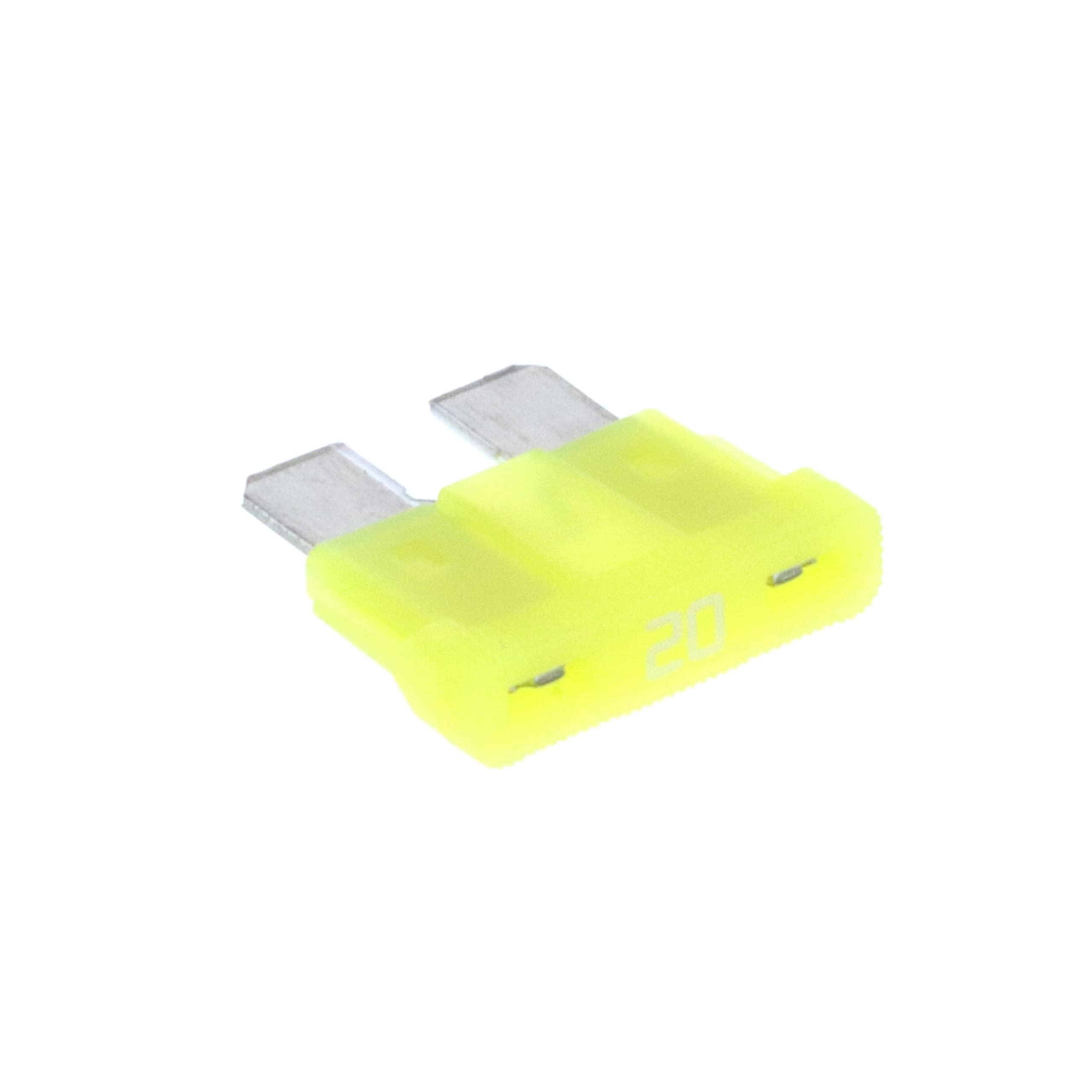
Foto 1: Honda 98200-32000 Fuse Blade (20A). This image shows a single 20A blade fuse, typically red in color, with two metal prongs for insertion into a fuse holder.
Ntọala na nwụnye
Follow these steps to properly install or replace a fuse blade:
- Chọpụta Fuse a na-efe efe: Locate the fuse box in your vehicle or electrical system. Consult your vehicle's owner's manual or the equipment's documentation to identify the specific fuse for the circuit experiencing a problem. A blown fuse typically has a broken wire filament inside.
- Kwụpụ ike: Before touching any electrical components, ensure the power to the circuit is completely off. For vehicles, this usually means turning off the ignition and disconnecting the battery's negative terminal.
- Wepu Fuse ochie: Carefully pull out the blown fuse using a fuse puller tool or small pliers. Avoid using excessive force.
- Fanye Fuse Ọhụrụ: Take the Honda 98200-32000 Fuse Blade (20A) and align its metal prongs with the corresponding slots in the fuse holder. Push the fuse firmly into place until it is seated securely. Do not force it if it does not fit.
- Weghachi ike: Once the new fuse is securely installed, reconnect the power source (e.g., vehicle battery).
- Nwalee sekit: Turn on the electrical component or system that was previously malfunctioning to confirm that the new fuse has resolved the issue.
Mara: Always replace a fuse with one of the identical amperage rating. Using a fuse with a lower rating may cause it to blow prematurely, while a higher rating can lead to serious electrical damage or fire.
Ntuziaka ọrụ
Fuses are passive safety devices and do not require active operation. Once installed, the Honda 98200-32000 Fuse Blade (20A) continuously monitors the electrical current flowing through its circuit. If the current exceeds 20 Amperes due to a fault or overload, the fuse's internal filament will melt and break, interrupting the circuit and protecting connected components from damage. The fuse is designed for single-use protection; once it blows, it must be replaced.
Nlekọta
The Honda 98200-32000 Fuse Blade (20A) requires no routine maintenance. Its function is to provide protection and, once it has performed its duty by blowing, it must be replaced. Periodically inspect fuse boxes for cleanliness and ensure all fuses are properly seated. Avoid exposing fuses to extreme temperatures or moisture, which could compromise their integrity.
Nchọpụta nsogbu
If an electrical component or system is not functioning, and you suspect a fuse issue, follow these troubleshooting steps:
- No Power to Component: Check the fuse associated with the non-working component. If the fuse is blown (broken filament), replace it with a new Honda 98200-32000 Fuse Blade (20A) or the correct amperage fuse for that circuit.
- New Fuse Blows Immediately: If a newly installed fuse blows immediately upon power restoration, this indicates a persistent short circuit or severe overload in the electrical system. Do not continue replacing fuses without addressing the underlying problem. Consult a qualified electrician or automotive technician to diagnose and repair the fault.
- Ike na-adịte aka: Ensure the fuse is fully seated in its holder. A loose connection can cause intermittent power.
Ịdọ aka ná ntị: Repeatedly blowing fuses is a sign of a serious electrical problem. Do not attempt to bypass or use fuses with higher ratings than specified, as this can lead to severe damage or fire.
Nkọwapụta
| Nkọwapụta | Uru |
|---|---|
| Ụdị | Honda |
| Nọmba nlereanya | 98200-32000 |
| Ampoge | 20 Amps |
| Ihe onwunwe | Plastic |
| Akụkụ ihe (L x W x H) | 1 x 1 x 1 sentimita asatọ |
| Ibu Ibu | 4 ounces |
| Nọmba akụkụ | 98200-32000 |
| Ọnụọgụ nkeji | 1.0 Ọnụ |
Akwụkwọ ikike na nkwado
For specific warranty information regarding the Honda 98200-32000 Fuse Blade (20A), please refer to the original product packaging or contact Honda customer support directly. As a consumable safety component, fuses typically do not carry an extended warranty beyond manufacturing defects. For technical assistance or further inquiries, please visit the official Honda websaịtị ma ọ bụ kpọtụrụ ụlọ ọrụ enyere ikike.
Nkwuputa: This manual is intended for informational purposes only. Honda is not responsible for any damage or injury resulting from improper installation, use, or maintenance of this product.


