1. Ngwaahịa gafereview
The AAXA LED PICO, Pocket projector is an ultra-compact device designed for portable media projection. It integrates long-lasting LED technology with a built-in multimedia player and versatile input options, making it suitable for various mobile projection needs.
Atụmatụ gụnyere:
- Ultra Bright 25 Lumens: Delivers clear images with High Definition 720p (1280x720) native resolution, supporting up to 1080p.
- Vibrant Color Technology: Equipped with 15,000-hour LEDs for extended lifespan and vivid color reproduction.
- Ultra-portable Design: Features an 80-minute built-in rechargeable Lithium-ion Battery, chargeable via the supplied micro USB cable.
- Audio agbakwunyere: Built-in speakers provide audio playback.
- Nhọrọ njikọta ọtụtụ: Includes mini-HDMI, 3.5mm Aux Audio Out, Composite A/V connections, and Micro SD/USB readers for media playback (supports up to 16GB).
- Plug 'n Play Setup: Designed for instant setup with USB devices, compatible with Apple Mac and PC.
- Nnukwu onyonyo: Capable of projecting images up to 60 inches in low-light conditions.

Ọgụgụ 1: N'elu-ala view of the AAXA LED Pico Micro Video Projector, highlighting its compact design, control buttons, and projection lens.
2. Kedu ihe dị na Igbe ahụ
Your AAXA LED Pico Micro Video Projector package should contain the following items:
- AAXA LED Pico Micro Video Projector Unit
- Igwe chaja USB Micro
- Composite A/V Cable (3.5mm Jack)
- Mini-HDMI to HDMI Cable
- Small Tripod (may vary by package)
- Ihe nkwụnye ọkụ (maka ịchaji)
3. Ntuziaka Nhazi
3.1 Charging the Projector
Before initial use, fully charge the projector's built-in Lithium-ion battery. Connect the supplied micro USB cable to the projector's DC 5V port and the other end to a USB power adapter (not always included) or a computer's USB port. The charging indicator light will show the charging status.

Figure 2: The micro USB cable connected to the projector for charging. Ensure the cable is securely inserted into the DC 5V port.
3.2 Gbanyụọ/ gbanyụọ
To power on the projector, press and hold the power button located on the control panel until the device powers up. To power off, press and hold the power button again until the projector shuts down.
3.3 Isi mmalite ntinye eji ejikọta
Ihe ngosi ihe onyonyo a na-akwado ọtụtụ isi mmalite ntinye:
- HDMI: Use a mini-HDMI to HDMI cable to connect to laptops, gaming consoles, or other HDMI-enabled devices.
- Ngwakọta A/V: Use the 3.5mm Composite A/V cable to connect to older video sources.
- Micro SD kaadị: Insert a Micro SD card (up to 16GB) into the designated slot for direct media playback.
- USB: Plug a USB memory stick into the USB port for direct media playback.

Foto 3: Akụkụ view of the projector, illustrating the various input ports including HDMI, AV, USB, and Micro SD card slot.
3.4 Ndozi anya
Locate the focus wheel on the side of the projector. Rotate the wheel until the projected image appears clear and sharp on your desired surface. The optimal image size is up to 60 inches in low-light conditions.

Figure 4: The projector mounted on a small tripod, demonstrating how the focus wheel (located near the lens) is used to sharpen the image.
4. Ntuziaka ọrụ
4.1 Ịnyagharịa na NchNhr
Use the control buttons on the top of the projector to navigate through the on-screen menu. The central "OK" button confirms selections, while the arrow keys (up, down, left, right) move the cursor. The "Menu" or "Back" button (if present) allows you to return to the previous screen or main menu.
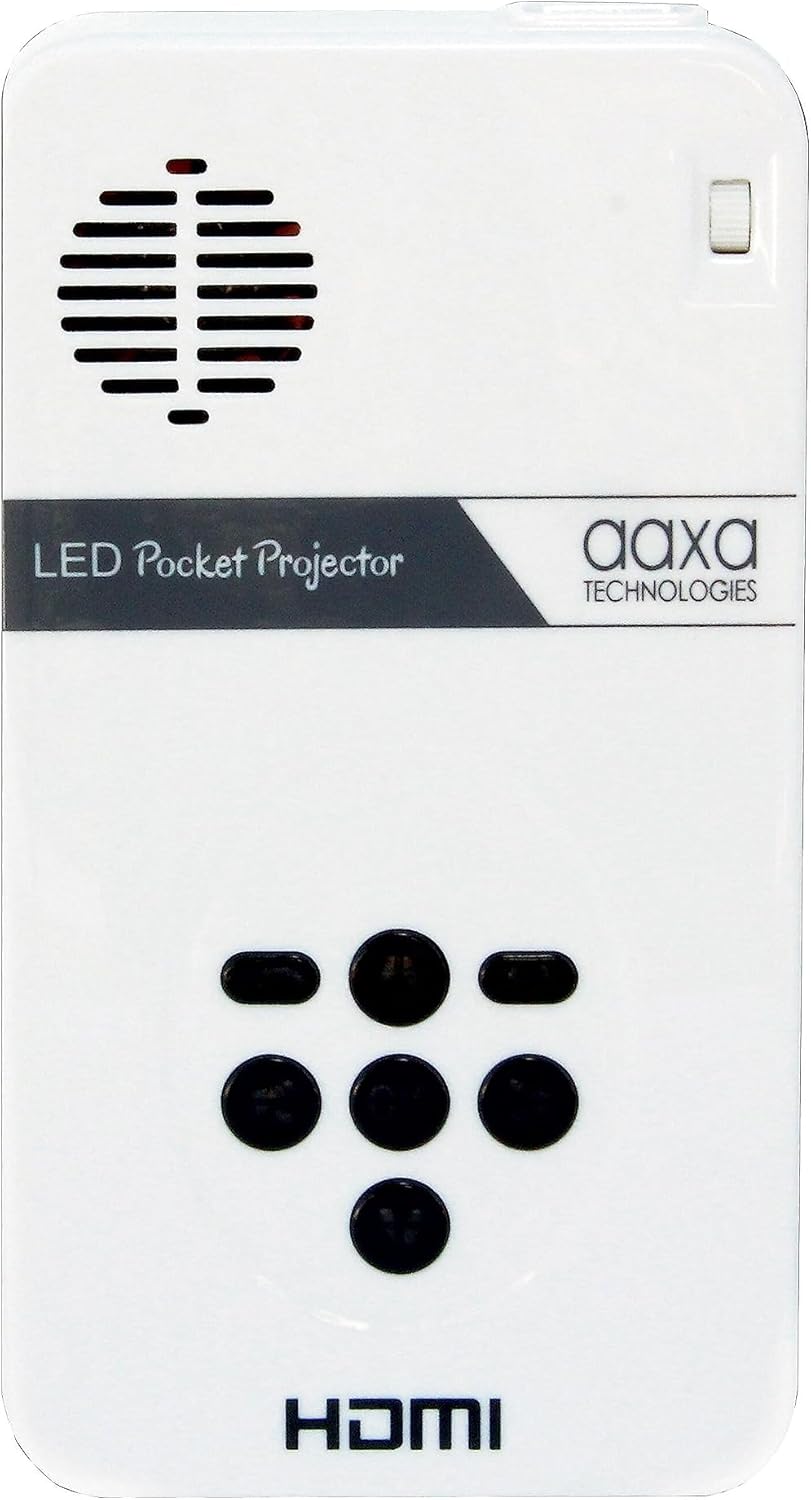
Figure 5: Close-up of the projector's top control panel, detailing the layout of the navigation buttons for menu interaction.
4.2 Mgbasa ozi
Once a Micro SD card or USB drive is inserted, the projector's built-in media player will typically detect it automatically. Navigate to the "Media" or "Files" section in the menu to browse and select videos, pictures, or text documents for playback.
4.3 Mmepụta ọdịyo
The projector has built-in speakers. For a more immersive audio experience, you can connect external speakers or headphones using the 3.5mm Aux Audio Out port.
5. Nlekọta
- Nhicha: Use a soft, dry cloth to clean the projector's exterior. For the lens, use a specialized lens cleaning cloth and solution. Avoid abrasive materials.
- Nlekọta batrị: To prolong battery life, avoid fully discharging the battery frequently. Store the projector in a cool, dry place when not in use for extended periods.
- Igwe ikuku: Ensure the projector's ventilation vents are not blocked during operation to prevent overheating.
6. Nchọpụta nsogbu
| Nsogbu | Ihe nwere ike ime | Ngwọta |
|---|---|---|
| No image projected / Projector not turning on. | Low battery; Power cable not connected; Power button not held long enough. | Charge the projector; Ensure power cable is securely connected; Press and hold the power button for 3-5 seconds. |
| Onyonyo na-agba agba. | Out of focus; Projector too close/far from surface. | Adjust the focus wheel; Move the projector closer or further from the projection surface. |
| Enweghị ọdịyo. | Volume too low; External speakers/headphones not connected properly; Audio settings. | Increase volume; Check connections of external audio devices; Adjust audio settings in the projector menu. |
| No signal from input source. | Incorrect input selected; Cable not connected properly; Source device issue. | Select the correct input source in the menu; Ensure cables are securely connected to both projector and source device; Check if the source device is outputting a signal. |
7. Nkọwapụta
| Njirimara | Nkọwa |
|---|---|
| Akụkụ ngwaahịa | 4.25 x 2.36 x 0.7 sentimita asatọ |
| Ibu Ibu | 6.4 ounces |
| Nọmba Nlereanya ihe | KP-101-01 |
| Batrị | 1 batrị lithium ion achọrọ (gụnyere) |
| Ngosipụta mkpebi | 1280 x 720 (Onye obodo) |
| Teknụzụ Njikọta | USB, Mini-HDMI, Composite A/V (3.5mm Jack), MicroSD AV |
| Njirimara Pụrụ Iche | Pico, Speakers |
| Eji akwadoro | Education, Personal Media Sharing |
| Onye nrụpụta | AAXA |
| Ụbọchị mbụ dị | Ọktoba 15, 2013 |
8. Akwụkwọ ikike na nkwado
For detailed warranty information and customer support, please refer to the official AAXA Technologies website or the documentation included with your purchase. You can also find additional resources and FAQs on the AAXA Technologies Store on Amazon.
A PDF version of the user manual may also be available for download: Akwụkwọ ntuziaka onye ọrụ (PDF).


