Okwu mmalite
This instruction manual provides comprehensive guidance for the installation, operation, maintenance, and troubleshooting of your Intel Classic DH61CR Desktop Motherboard. Please read this manual thoroughly before proceeding with installation or operation to ensure proper functionality and to prevent damage to the product or other components.
The Intel DH61CR motherboard is designed to support Intel LGA 1155 socket processors and DDR3 memory, offering a reliable foundation for personal computer systems.
Ntọala na nwụnye
1. Ịkwapụ ihe na ihe mejupụtara yaview
Carefully remove the motherboard from its packaging. Inspect all components for any signs of damage. Ensure all accessories listed in the product documentation are present.
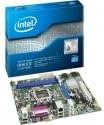
Image: The Intel DH61CR Desktop Motherboard shown alongside its retail packaging. This image provides a visual reference for the product and its initial presentation.
Familiarize yourself with the layout of the motherboard, including the CPU socket, RAM slots, expansion slots, and various connectors.
2. Ntinye CPU (Socket LGA 1155)
- Chọta oghere LGA 1155 CPU na motherboard.
- Jiri nwayọọ kwatuo lever ibu ahụ wee dọba ya n'akụkụ ka imepe oghere njigide CPU.
- Hazie akara triangle dị na CPU ahụ na akara kwekọrọ na ya na soket ahụ. Jiri nlezianya tinye CPU ahụ n'ime oghere ahụ n'amanyeghị ya.
- Close the retention frame and secure it by pushing the load lever back into its locked position.
- Apply a thin, even layer of thermal paste to the top of the CPU (if not pre-applied to the cooler).
- Install the CPU cooler according to its manufacturer's instructions, ensuring it is securely fastened and making good contact with the CPU.
3. Ntinye RAM (DDR3)
- Identify the DDR3 memory slots. The Intel DH61CR supports DDR3 RAM.
- Mepee mkpachị ndị ahụ na nsọtụ abụọ nke oghere ebe nchekwa ahụ.
- Hazie oghere ahụ na modulu ebe nchekwa DDR3 na igodo dị na oghere ebe nchekwa.
- Press down firmly on both ends of the memory module until the clips snap into place, securing the module.
4. Nwụnye ngwaọrụ nchekwa
Connect your SATA hard drives or solid-state drives to the SATA ports on the motherboard using SATA data cables. Ensure the power cables from your power supply are also connected to these devices.
5. Njikọ Ọkụ Ike
- Connect the 24-pin ATX power connector from your power supply to the main power socket on the motherboard.
- Connect the 4-pin (or 8-pin, if applicable) ATX 12V power connector to the CPU power socket.
- Ensure all power connections are secure.
6. Njikọ ihu panel
Connect the front panel cables from your computer case (power button, reset button, HDD LED, power LED, USB ports, audio jacks) to the corresponding headers on the motherboard. Refer to the motherboard's silkscreen labels for correct pin assignments.
7. Kaadị Mgbasawanye
Install any necessary expansion cards (e.g., graphics card, network card) into the appropriate PCIe x16 or PCIe x1 slots. Secure them with the case's retention mechanism.
Ntuziaka ọrụ
1. Mbụ buut
After all components are installed and connected, connect your monitor, keyboard, and mouse. Power on the system. The system should display the BIOS POST screen. If not, refer to the Troubleshooting section.
2. BIOS/UEFI Access
Iji nweta ngwa ntọala BIOS/UEFI, pịa igodo ahọpụtara (nke a na-akpọ "Ntọala BIOS/UEFI"). Del, F2, ma ọ bụ F10) during the initial boot sequence. The exact key is usually displayed on the screen during POST.
Within the BIOS/UEFI, you can configure boot order, system time, hardware settings, and other advanced options. Save changes before exiting.
Nlekọta
1. Nhicha
Regularly clean the interior of your computer case to prevent dust buildup, which can lead to overheating. Use compressed air to remove dust from fans, heatsinks, and motherboard components. Ensure the system is powered off and unplugged before cleaning.
2. Mmelite BIOS
Lelee nkwado Intel mgbe niile website for BIOS updates for your DH61CR motherboard. BIOS updates can improve system stability, add support for new hardware, or fix bugs. Follow the instructions provided by Intel carefully when performing a BIOS update to avoid system damage.
Nchọpụta nsogbu
Ọ bụrụ na ị nwee nsogbu, bikoview Usoro nchọpụta nsogbu ndị a na-ahụkarị:
- Enweghị ike: Ensure all power cables (24-pin ATX, 4-pin CPU) are securely connected. Check the power supply unit (PSU) switch and wall outlet.
- Enweghị Ngosipụta: Verify the monitor is connected and powered on. Ensure the graphics card (if dedicated) is properly seated and powered. If using integrated graphics, confirm the monitor is connected to the motherboard's video output.
- System Beeps: A series of beeps during startup usually indicates a hardware issue. Consult the motherboard's beep code guide (often found on the manufacturer's support website) to diagnose the specific problem (e.g., RAM error, graphics card issue).
- Akwụsịghị / Mkpọka Sistemu: Check for proper CPU cooler installation and thermal paste application. Ensure RAM modules are correctly seated. Test memory with diagnostic tools. Update drivers and BIOS.
- Operating System Not Loading: Verify the boot order in BIOS/UEFI. Check SATA cable connections to storage devices. Ensure the operating system is correctly installed on a bootable drive.
For persistent issues, consult the Intel support websaịtị ma ọ bụ kpọtụrụ nkwado ọrụ aka ha.
Nkọwa nka nka
| Njirimara | Nkọwapụta |
|---|---|
| Ụdị | Intel |
| Aha Nlereanya | DH61CRB3 |
| Socket CPU | LGA 1155 |
| Ndị nhazi dakọtara | Intel Core i3-2100, Intel Core i5-2400, Intel Core i7-2600, Pentium |
| Ụdị Chipset | Intel H61 Express |
| Teknụzụ ebe nchekwa RAM | DDR3 |
| Oke RAM | 8 GB |
| Ọsọ elekere ebe nchekwa | 1333 MHz |
| Ngwa dakọtara | Kọmputa nkeonwe |
| Ihe ntanetị nchekwa | Serial ATA/300 |
| Oghere Mgbasawanye | 1 x PCIe x16 oghere |
| Mmepụta vidiyo | CPU Dependent Video |
| Platform | Windows 7, Windows Vista Ultimate |
| Akụkụ ngwaahịa | 10.5 x 8.5 x 2 sentimita asatọ |
| Ibu Ibu | 1.9 pound |
| Onye nrụpụta | Intel |
| Ụbọchị mbụ dị | Eprel 30, 2012 |
Akwụkwọ ikike na nkwado
Warranty information for the Intel Classic DH61CR Desktop Motherboard is typically provided with the product at the time of purchase or can be found on the official Intel websaịtị. Biko dowe ihe akaebe nke ịzụrụ ihe maka akwụkwọ ikike.
For technical support, driver downloads, and additional documentation, please visit the official Intel support website. You can often find detailed FAQs and community forums there to assist with common issues.
Note: Intel's official support channels are the primary resource for product-specific assistance.


