Okwu mmalite
This manual is a faithful reprint of the original wiring diagram documentation for 1966 Ford F-100 through F-750 series trucks. It provides comprehensive and accurate electrical schematics necessary for diagnosing, repairing, and maintaining the complex electrical systems of these vintage vehicles. This resource is invaluable for mechanics, restorers, and enthusiasts working on 1966 Ford trucks.
The diagrams cover various electrical circuits, including engine management, lighting, instrumentation, charging, and accessory systems, ensuring a complete overview of the vehicle's electrical architecture.
Otu esi eji akwụkwọ ntuziaka a
To effectively utilize this wiring diagram manual, familiarize yourself with the following guidelines:
- Nhazi eserese: Each diagram is organized to represent specific circuits or systems. Locate the relevant section based on the electrical issue you are addressing.
- Symbols and Legends: Pay close attention to the legend provided within the manual. It explains the meaning of various electrical symbols (e.g., switches, relays, fuses, motors) and wire color codes.
- Nchọpụta waya: Wires are typically identified by color and sometimes by gauge or circuit number. Cross-reference these identifiers with the physical wiring in your truck.
- Ebe akụrụngwa: While primarily a wiring diagram, some sections may include general component locations to aid in identification.
- Ọga n'ihu na Voltage Lelee: Use the diagrams to trace circuits for continuity checks and voltage measurements during troubleshooting.
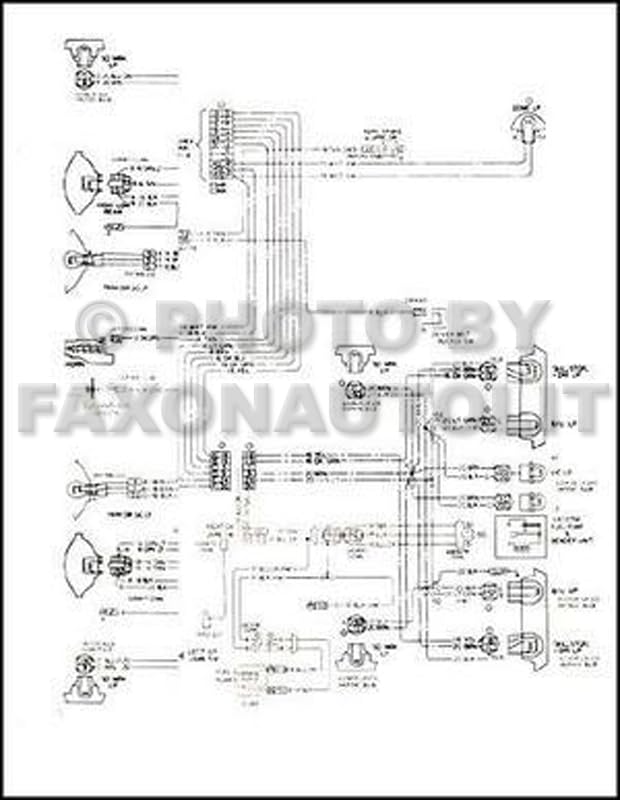
Image: Front cover of the 1966 Ford F-100 to F-750 Truck Wiring Diagram Manual. This image displays the title and a classic Ford truck illustration, indicating the manual's focus on vintage Ford truck electrical systems.
Wiring Diagram Sections Overview
The manual is typically divided into sections covering different aspects of the truck's electrical system. Common sections include:
- Engine Electrical: Ignition system, starting circuit, charging system (alternator/generator), engine sensors.
- Chassis Electrical: Headlights, taillights, turn signals, brake lights, horn, windshield wipers.
- Ngwa: Dashboard gauges, warning lights, instrument cluster wiring.
- Accessory Circuits: Radio, heater/blower motor, power windows (if applicable), interior lights.
- Sistemụ ala: Comprehensive diagrams showing ground points throughout the vehicle.
Ntuziaka nchọpụta nsogbu
When troubleshooting an electrical issue, follow these general steps using the wiring diagrams:
- Identify the Circuit: Locate the specific circuit related to the malfunction in the manual.
- Check Fuses/Circuit Breakers: Verify the integrity of the fuse or circuit breaker protecting the circuit.
- Trace Power Flow: Follow the power flow from the power source (battery/ignition switch) through switches, relays, and components to the ground.
- Test Components: Jiri multimeter nwalee maka voltage, continuity, and resistance at various points in the circuit as indicated by the diagram.
- Lelee Wiring: Visually inspect wires for damage, corrosion, or loose connections, comparing them to the diagram's routing.
Nkọwapụta
This manual primarily focuses on wiring diagrams. Specific electrical component values, such as resistance for sensors or detailed current ratings for individual circuits beyond fuse sizes, are typically found in a separate service or shop manual. However, wire gauges and color codes are integral to the diagrams themselves.
For detailed mechanical specifications or torque values, consult the official 1966 Ford F-Series shop manual.
Nkwado na Enyemaka Ndị Ọzọ
As a reprint, direct technical support from the original publisher (Ford) for this specific manual is not available. For further assistance with 1966 Ford F-Series trucks, consider:
- Consulting vintage Ford truck forums and online communities.
- Referencing other period-correct service manuals for the 1966 Ford F-Series.
- Contacting specialized vintage auto parts suppliers or restoration shops.
Ozi akwụkwọ ikike
This product is a reprint of an original document. Any warranty, if applicable, would be provided by the reseller or the specific reprint publisher regarding the quality of the reprint itself, not the content or accuracy of the original 1966 Ford documentation. Please refer to your purchase receipt or contact the vendor for details on any reprint quality guarantee.