1. Okwu mmalite
The Denso 234-9042 Air Fuel Ratio Sensor is a precision-engineered component designed to monitor the oxygen content in exhaust gases. This sensor plays a critical role in optimizing engine performance, fuel efficiency, and reducing harmful emissions by maintaining an ideal air-fuel mixture. Manufactured to strict Original Equipment (OE) standards, it ensures accurate readings and reliable operation.

Foto 1: Ofeview of the Denso 234-9042 Air Fuel Ratio Sensor, showing the sensor body, wire, and electrical connector.
2. Ndakọrịta ụgbọ ala
This Denso 234-9042 Air Fuel Ratio Sensor is a direct replacement part for specific vehicle models. Please verify compatibility with your vehicle's make, model, and year before installation.
- 2002-2003 Lexus ES300
- 2004-2006 Lexus ES330
- 2004-2006 Lexus RX330
- 2007 & 2010-2011 Lexus RX350
- 2006-2008 Lexus RX400h
- Toyota Camry 2002-2006
- 2004-2007 Toyota Highlander
- Toyota Sienna 2004-2006
- Toyota Solara 2004-2008
3. Kedu ihe dị na Igbe ahụ
Mgbe imepere nkwakọ ngwaahịa ngwaahịa, ị ga-ahụ ihe ndị a:
- One (1) Denso 234-9042 Air/Fuel Ratio Sensor

Image 2: The Denso 234-9042 Air Fuel Ratio Sensor packaging, indicating "first time fit" and product details.
4. Ntuziaka nwụnye
Installation of an air/fuel ratio sensor requires specific tools and technical knowledge. It is recommended that this procedure be performed by a qualified automotive technician. If you choose to perform the installation yourself, please follow these general guidelines:
- Nchekwa Mbụ: Ensure the vehicle's engine is cool and the battery is disconnected before beginning any work. Use appropriate personal protective equipment.
- Chọta ihe mmetụta: Identify the specific air/fuel ratio sensor to be replaced. Refer to your vehicle's service manual for exact location (e.g., Bank 1 Sensor 1, Bank 2 Sensor 1).
- Kwụpụ waya: Jiri nlezianya wepụ njikọ eletriki ahụ na sensọ ochie ahụ. Zere ịdọpụ ozugbo na waya ndị ahụ.
- Wepụ ihe mmetụta ochie: Use a specialized oxygen sensor socket or wrench to loosen and remove the old sensor from the exhaust system. Penetrating oil may be necessary for stubborn sensors.
- Kwadebe ihe mmetụta ọhụrụ: Apply a small amount of anti-seize compound (often included with the sensor) to the threads of the new Denso sensor. Avoid getting anti-seize on the sensor tip.
- Wụnye ihe mmetụta ọhụrụ: Thread the new sensor into the exhaust bung by hand to prevent cross-threading. Tighten it to the manufacturer's specified torque using the oxygen sensor socket.
- Jikọọ Wiring: Reconnect the electrical connector securely. Ensure the wiring harness is routed correctly and secured to prevent damage from heat or vibration.
- Clear Diagnostic Codes: After installation, reconnect the battery. Use an OBD-II scanner to clear any stored diagnostic trouble codes (DTCs) from the vehicle's engine control unit (ECU).
- Nwalee mbanye: Perform a test drive to confirm proper operation and ensure no new codes are generated.
Mara: Incorrect installation can lead to damage to the sensor, vehicle, or inaccurate readings, potentially affecting engine performance and emissions.
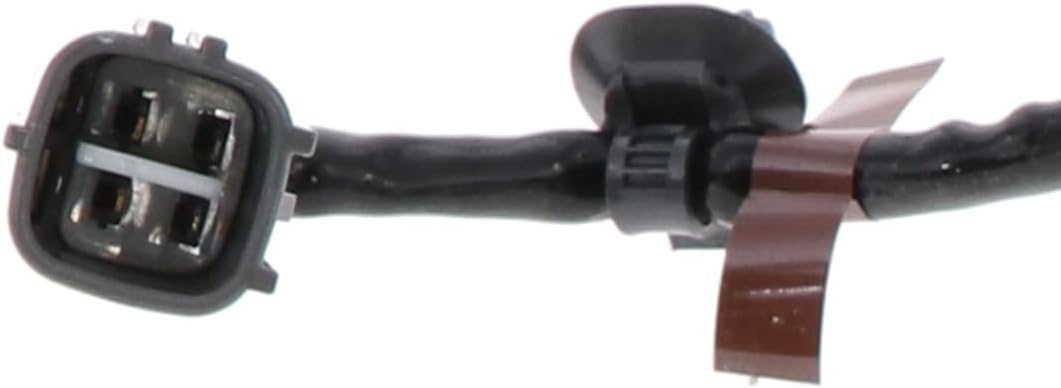
Foto 3: nso nso view of the Denso sensor body, showing manufacturing details and threads for installation.

Foto 4: Zuru ezu view of the electrical connector for the Denso Air Fuel Ratio Sensor, ensuring proper connection to the vehicle's wiring harness.
5. Ụkpụrụ ọrụ
The Denso 234-9042 Air Fuel Ratio Sensor continuously measures the oxygen concentration in the exhaust gas. This information is sent to the vehicle's Engine Control Unit (ECU). The ECU uses this data to adjust the fuel injection timing and duration, ensuring the engine operates at the optimal air-fuel ratio (stoichiometric ratio). This precise control leads to:
- Improved fuel efficiency
- Mbelata ikuku na-emerụ ahụ
- Maximized engine performance
- Extended catalytic converter life

Image 5: Close-up of the sensor tip, which is exposed to exhaust gases to measure oxygen levels.
6. Nlekọta
Air/fuel ratio sensors are wear items and typically do not require routine maintenance. However, their lifespan can be affected by various factors, including fuel quality, engine condition, and exposure to contaminants. Regular vehicle maintenance, including timely oil changes and proper engine tuning, can help prolong the sensor's life. If a sensor fails, it should be replaced promptly to prevent adverse effects on engine performance and emissions.
7. Nchọpụta nsogbu
Common indicators of a faulty air/fuel ratio sensor include:
- Lelee ọkụ igwe (CEL): The most common symptom. Diagnostic Trouble Codes (DTCs) such as P1155 or P0430 (though P0430 is often catalytic converter related, a faulty O2 sensor can contribute) may be stored.
- Ebilatala akụ na ụba mmanụ ụgbọala: An inaccurate sensor can cause the engine to run rich or lean, leading to increased fuel consumption.
- Idling siri ike ma ọ bụ nkwụsị: Incorrect air-fuel mixture can affect engine stability.
- Mmụbatara ihe ọkụkụ: Failure to maintain optimal air-fuel ratio can result in higher levels of pollutants.
If you experience any of these symptoms, it is recommended to have your vehicle diagnosed by a professional. An OBD-II scanner can read the stored codes, which will help pinpoint the issue. When replacing a sensor, ensure you use a high-quality, compatible part like the Denso 234-9042 to avoid recurring issues.
8. Nkọwapụta
| Njirimara | Nkọwa |
|---|---|
| Ụdị | Denso |
| Nọmba nlereanya | 234-9042 |
| Ibu Ibu | 3.91 ounces |
| Akụkụ ngwaahịa | 5.75 x 2.19 x 1.88 sentimita asatọ |
| Ihe onwunwe | Stainless Steel, Zirconium |
| Ụdị | Akụkụ nnọchi |
| Izizi nha nha | Ọ dị mma |
| Oke nso | 10:1 - 18:1 |
| Ụdị nkwụnye | Eriri-N'ime |
| Ụdị mmepụta | Analog or Digital |
| Ojiji akọwapụtara | Replacement Air/Fuel Ratio Sensor |
| Nleba okpomọkụ | 1000 Ogo Celsius |
| UPC | 042511112650 |
9. Akwụkwọ ikike na nkwado
For specific warranty information regarding your Denso 234-9042 Air Fuel Ratio Sensor, please refer to the documentation included with your purchase or visit the official Denso website. Denso provides support and detailed product information through their official channels.
Official Denso Websaịtị: www.denso.com


