1. Okwu mmalite
This manual provides comprehensive instructions for the installation, maintenance, and troubleshooting of the MOOG ES3624 Steering Drag Link. Designed for reliable performance, this component is crucial for your vehicle's steering system. Please read this manual thoroughly before proceeding with any installation or maintenance.

Figure 1.1: MOOG ES3624 Steering Drag Link, showing the main component with accompanying nut and cotter pin.
2. Akụrụngwa Ngwaahịa
The MOOG ES3624 Steering Drag Link incorporates several advanced features to ensure durability and optimal performance:
- Patented Pressed-in Cover Plate: This design effectively seals out debris and minimizes looseness, which significantly reduces bearing wear and extends the lifespan of the component.
- Greaseable Socket: Allows for regular lubrication, which inhibits rust and wear by flushing out debris and introducing fresh lubricant. This feature is key for long-term maintenance.
- Belleville Preload Washer: This component helps maintain a tight bearing package as the bearings experience wear over time, ensuring consistent performance and absorbing impact.
- Problem Solver Gusher Bearing: Features a metal-to-metal design that provides superior strength. It also allows grease to flow directly through the bearing surface, reducing friction and contributing to a longer service life.
- Strong and Durable Ball Studs: The ball studs are heat-processed to meet or exceed Original Equipment (OE) requirements. This treatment inhibits premature failure and significantly improves fatigue strength, ensuring reliability under demanding conditions.
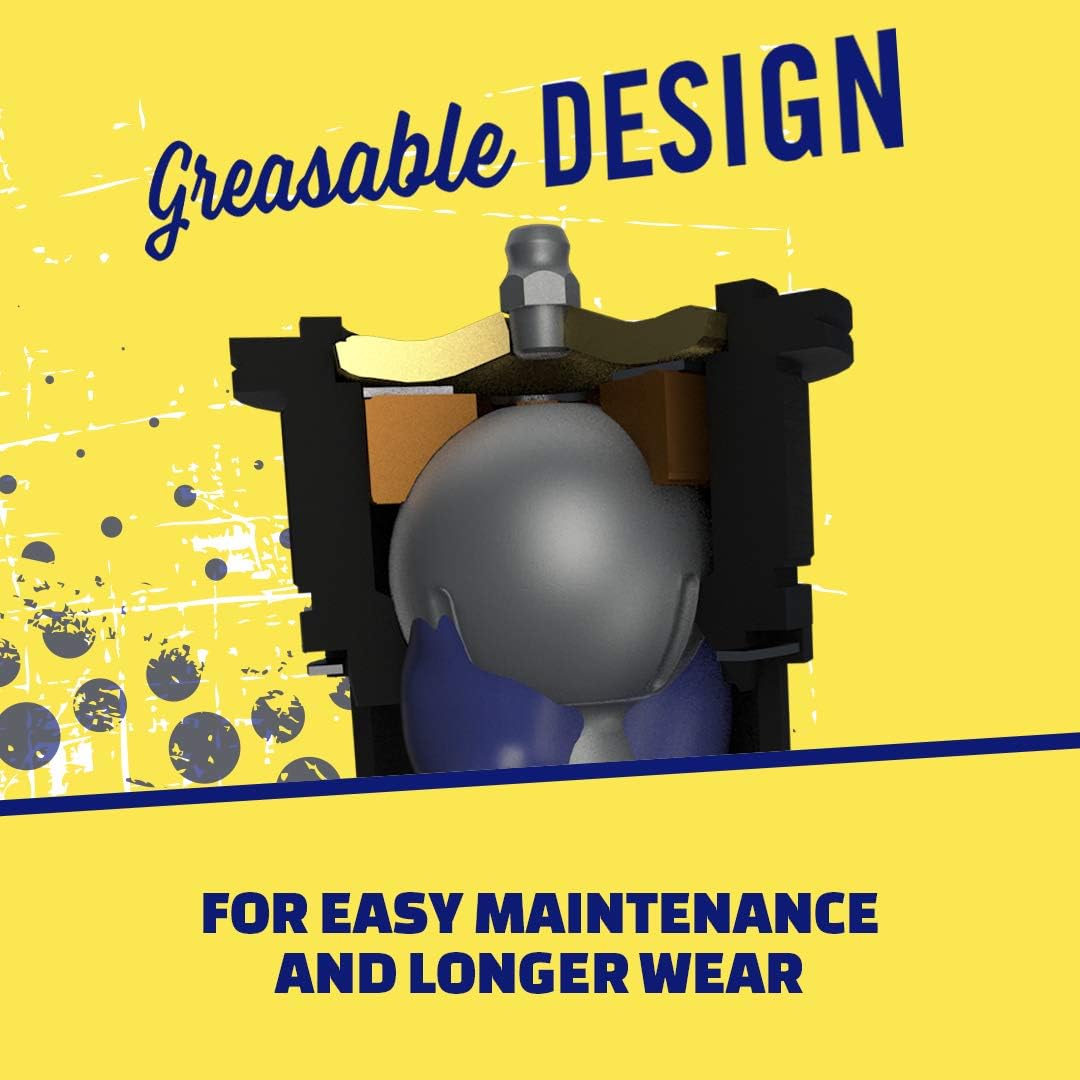
Figure 2.1: Patented Pressed-in Cover Plate, designed to protect internal components from contaminants.

Figure 2.2: Greaseable Design, showing the internal structure that allows for lubrication.

Figure 2.3: Slotted Gusher Bearing, designed for optimal lubrication distribution.
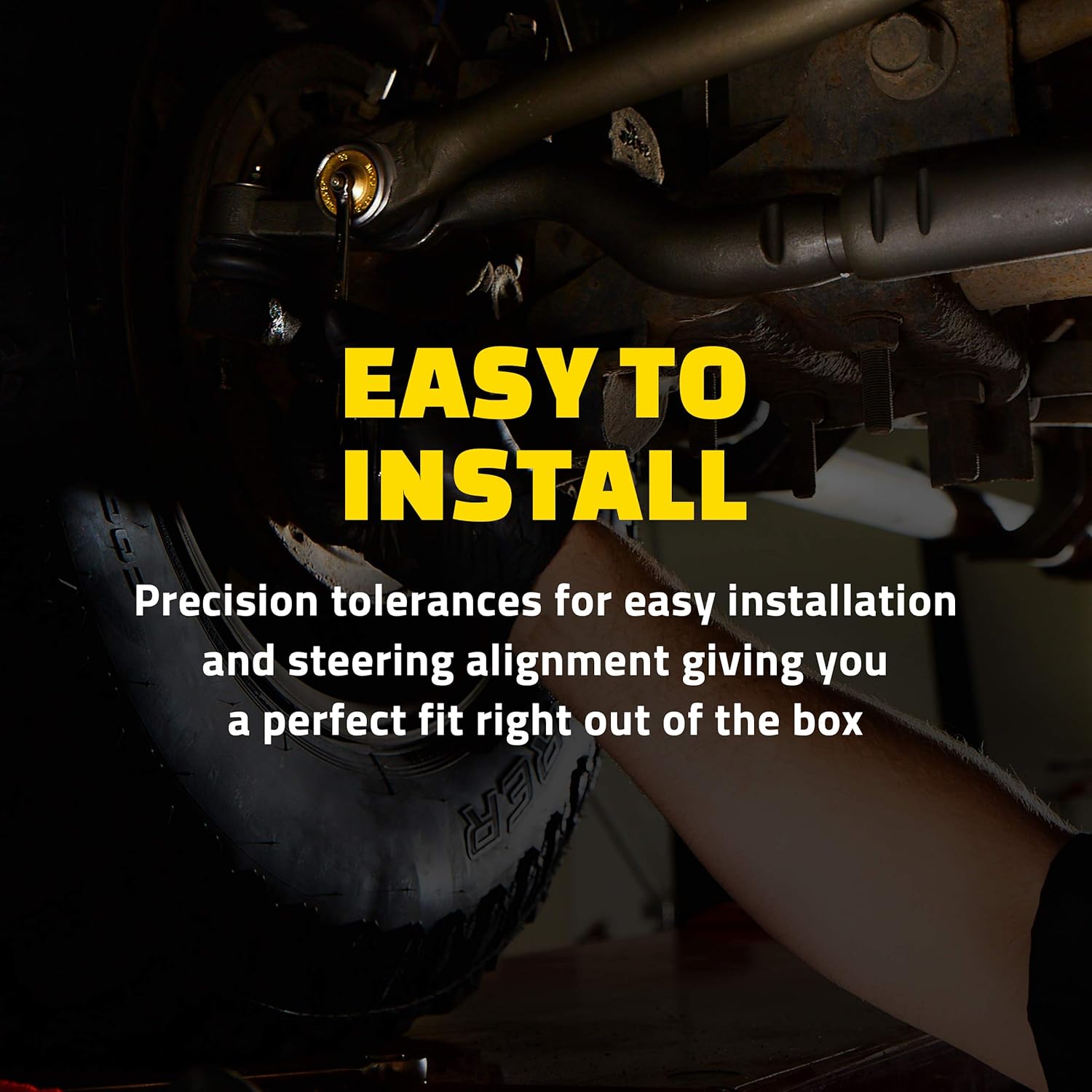
Figure 2.4: Heat Treated Stud, highlighting the enhanced strength and durability.
3. Ndakọrịta
The MOOG ES3624 Steering Drag Link is compatible with the following vehicle models:
- 2006-2008 Dodge Ram 1500
- 2003-2008 Dodge Ram 2500
- 2003-2008 Dodge Ram 3500
- 2018-2018 Jeep Wrangler JK
- 2007-2017 Jeep Wrangler
Always verify compatibility with your specific vehicle's year, make, model, engine, and trim before installation.
4. Ihe ngwugwu
Mgbe ịmepechara ngwugwu ahụ, biko hụ na ihe niile dị:
- 1 x MOOG ES3624 Tie Rod End
5. Nkọwapụta
| Nkọwapụta | Uru |
|---|---|
| Ụdị | MOOG |
| Nlereanya | ES3624 (Tie Rod End) |
| Ihe onwunwe | Ọla |
| Akụkụ ihe (L x W x H) | 9.8 x 4.5 x 2.7 sentimita asatọ |
| Ibu Ibu | 2.1 pound |
| Ụdị ibu | Ịgba bọọlụ |
| Mmanu dakọtara | Griiz |
| Nkọwapụta Met | OE |
| Nọmba nke onye nrụpụta | ES3624 |
| Nọmba akụkụ OEM | ES3624 |
6. Ntuziaka nwụnye
The MOOG ES3624 Tie Rod End is designed with precision tolerances for straightforward installation and proper steering alignment. While professional installation is recommended, the following steps outline the general process:

Figure 6.1: Easy Installation, demonstrating the fitment process.
Usoro ntinye n'ozuzu:
- Kwadebe ụgbọ ala: Park the vehicle on a level surface, engage the parking brake, and block the wheels. Lift the front of the vehicle using a jack and secure it with jack stands. Remove the wheel.
- Chọta na Kaa: Identify the existing tie rod end. Before removal, measure and note the exposed thread length on the tie rod to aid in setting the new component to the correct initial alignment.
- Wepụ Ihe Ochie: Loosen the jam nut on the tie rod. Remove the cotter pin and castle nut from the tie rod end stud. Use a tie rod end puller or fork to separate the tie rod end from the steering knuckle. Unscrew the old tie rod end from the tie rod.
- Wụnye Akụkụ Ọhụrụ: Thread the new MOOG ES3624 Tie Rod End onto the tie rod, matching the previously measured thread length as closely as possible. Insert the stud into the steering knuckle.
- Secure and Torque: Install the new castle nut and tighten it to the manufacturer's specified torque. Insert a new cotter pin through the nut and stud, bending the ends to secure it. Tighten the jam nut against the tie rod end.
- Nzọụkwụ ikpeazụ: Reinstall the wheel, lower the vehicle, and remove the jack stands. It is highly recommended to have a professional wheel alignment performed immediately after replacing any steering components to ensure proper vehicle handling and tire wear.

Figure 6.2: Outer Tie Rod Location, illustrating its position within the steering assembly.
7. Nlekọta
Regular maintenance, particularly greasing, is essential for the longevity and optimal performance of your MOOG ES3624 Tie Rod End. The greaseable socket allows for easy lubrication.
Greasing Procedure:
- Locate the grease fitting (zerk) on the tie rod end.
- Clean the grease fitting to prevent contaminants from entering the joint.
- Attach a grease gun filled with appropriate chassis grease (compatible lubricant: Grease) to the fitting.
- Pump grease into the fitting until the boot begins to swell slightly, indicating the joint is full. Do not overfill, as this can damage the boot.
- Remove the grease gun and wipe off any excess grease.
Perform this maintenance during routine vehicle service or as recommended by your vehicle's manufacturer.
8. Nchọpụta nsogbu
A failing tie rod end can exhibit several symptoms. If you experience any of the following, inspect your steering components promptly:
- Symptom 1: Uneven or Excessive Tire Wear
Nkọwa: Tires may show unusual wear patterns, such as feathering or cupping, due to improper alignment caused by a worn tie rod end.

- Symptom 2: Loose or Uneven Steering
Nkọwa: The steering wheel may feel loose, or the vehicle might wander on the road, requiring constant correction to stay in a straight line.

- Symptom 3: Steering Wheel Vibration
Nkọwa: Vibrations may be felt through the steering wheel, especially at certain speeds, indicating excessive play in the steering linkage.

- Symptom 4: Vehicle Pulling to One Side
Nkọwa: The vehicle consistently drifts or pulls to one side, even on a flat road, which can be a sign of a worn tie rod end affecting alignment.

If you observe any of these symptoms, it is recommended to have your vehicle inspected by a qualified mechanic to diagnose and address the issue.
9. Ozi nchekwa
Always prioritize safety when working on your vehicle. Follow these general safety guidelines:
- Yiri akụrụngwa nchedo nkeonwe dabara adaba (PPE), gụnyere ugegbe nchekwa na uwe aka.
- Hụ na e ji ihe nkwado siri ike kwado ụgbọala ahụ n'elu ebe a na-adọba ụgbọala tupu ị rụọ ọrụ n'okpuru ya. Atụkwasịla obi naanị na jaak.
- Na-arụ ọrụ na mpaghara ikuku nke ọma.
- Use the correct tools for each task.
- If you are unsure about any step, consult a professional mechanic.
10. Akwụkwọ ikike na nkwado
Information regarding the specific warranty terms for the MOOG ES3624 Steering Drag Link is not provided within this manual. For warranty details or technical support, please refer to the product packaging or contact MOOG customer service directly.


