1. Okwu mmalite
This manual provides essential information for the proper handling, installation, maintenance, and troubleshooting of the Timken Single Row Ball Bearing, model 203F. Adhering to these instructions will help ensure optimal performance and longevity of the bearing. Please read this manual thoroughly before proceeding with any procedures.
2. Ngwaahịa gafereview
The Timken 203F is a single row ball bearing designed for various industrial and automotive applications. Ball bearings are a type of rolling-element bearing that uses balls to maintain the separation between the bearing races. This design allows for smooth rotation and reduces friction, supporting both radial and axial loads.

Image 1: The Timken Single Row Ball Bearing 203F. This image displays the bearing with its inner and outer rings, and the visible ball elements lubricated with grease.
Akụkụ ndị bụ isi:
- Single Row Ball Bearing construction.
- Designed for general purpose applications.
- Kọmpat na ịrụ ọrụ nke ọma imewe.
3. Ozi nchekwa
Always prioritize safety when working with mechanical components. Failure to follow safety guidelines can result in injury or damage to equipment.
- Ngwa nchekwa nkeonwe (PPE): Always wear appropriate safety glasses, gloves, and other protective gear as required by your work environment.
- Ijikwa: Bearings can have sharp edges. Handle with care to avoid cuts.
- Ịdị ọcha: Ensure your hands, tools, and work area are clean and free of contaminants (dirt, dust, metal shavings) before handling bearings. Contamination is a leading cause of premature bearing failure.
- Ngwa: Use only appropriate and undamaged tools for installation and removal.
- mkpofu: Dispose of old bearings and used lubricants according to local environmental regulations.
4. Nwụnye
Correct installation is crucial for the performance and lifespan of the Timken 203F ball bearing. Improper installation can lead to premature failure, noise, and vibration.
- Nkwadebe:
- Clean the shaft and housing thoroughly. Remove any burrs, rust, or old lubricant.
- Check the dimensions of the shaft and housing to ensure they meet the required tolerances for a proper fit.
- Ensure the bearing is clean and free from any packaging debris. Do not remove the bearing from its protective packaging until immediately before installation.
- Ịkwanye:
- Press Fitting: For interference fits, use a hydraulic or mechanical press. Apply force evenly to the ring being fitted (inner ring for shaft, outer ring for housing) using a mounting sleeve or tube that contacts the entire face of the ring. Never apply force through the balls or cage.
- Heating (for inner ring on shaft): For larger bearings or tighter fits, the inner ring can be heated to expand it. Use an induction heater or an oil bath. Do not exceed 120°C (250°F). Ensure the bearing is heated evenly.
- Cold Mounting (for outer ring in housing): The housing can be cooled to shrink it, facilitating the insertion of the outer ring.
- Ensure the bearing is seated squarely and completely against the shaft shoulder or housing shoulder.
- mmanu mmanu: The Timken 203F bearing is typically pre-lubricated. If additional lubrication is required or if the application demands specific grease, refer to the equipment manufacturer's guidelines.
- Akara: Ensure proper seals are in place to protect the bearing from contaminants and retain lubricant.
Note: For specific equipment, always consult the equipment manufacturer's service manual for detailed installation procedures.
5. Ọrụ
Once installed, the Timken 203F ball bearing operates as a critical component within a larger system. Proper operating conditions are essential for its performance and lifespan.
- Load and Speed: Ensure the bearing operates within the specified load and speed limits of the application. Exceeding these limits can lead to overheating and premature failure.
- Okpomọkụ: Monitor operating temperatures. Excessive heat can degrade lubricant and damage bearing components.
- Mmaji na mkpọtụ: Unusual vibration or noise during operation can indicate a problem. Address these issues promptly.
- mmanu mmanu: Maintain adequate lubrication as per the maintenance schedule.
6. Nlekọta
Regular maintenance helps extend the life of your Timken 203F ball bearing and ensures reliable operation.
- mmanu mmanu:
- While the bearing is pre-lubricated, some applications may require re-lubrication. Follow the equipment manufacturer's recommendations for lubricant type, quantity, and frequency.
- Use only clean, high-quality grease or oil compatible with the bearing and application.
- Avoid over-lubrication, which can cause excessive heat and seal damage.
- Nyocha:
- Periodically inspect the bearing and surrounding area for signs of wear, damage, or contamination.
- Check for unusual noise, vibration, or excessive heat.
- Inspect seals for integrity and signs of lubricant leakage or contaminant ingress.
- Nhicha: Keep the area around the bearing clean to prevent contaminants from entering the bearing.
7. Nchọpụta nsogbu
This section outlines common issues that may arise with ball bearings and potential causes. Early detection and resolution can prevent more significant damage.
| Mgbaàmà | Ihe nwere ike ime | Omume |
|---|---|---|
| Oke mkpọtụ | Lack of lubrication, contamination, improper installation, excessive load, worn bearing. | Check lubrication, inspect for contaminants, verify installation, reduce load if possible, replace bearing if worn. |
| ekpo oke ọkụ | Insufficient or incorrect lubrication, over-lubrication, excessive speed/load, misalignment, tight fit. | Verify lubrication, check for proper fit, ensure alignment, reduce speed/load if possible. |
| Mmaji | Improper installation, imbalance in rotating components, worn bearing, contamination. | Re-check installation, balance components, inspect for wear/contamination, replace bearing. |
| Ọdịda Tupu Oge | Contamination, improper installation, inadequate lubrication, overloading, material fatigue. | Identify root cause (e.g., inspect failed bearing), correct operating conditions, replace bearing. |
8. Nkọwapụta
The following specifications apply to the Timken Single Row Ball Bearing, model 203F:
| Njirimara | Uru |
|---|---|
| Ụdị | TIMKEN |
| Nọmba nlereanya | 203F |
| Ụdị ngwaahịa | Single Row Ball Bearing |
| Ibu Ibu | 1.6 ounces (ihe dị ka 0.045 n'arọ) |
| Akụkụ ngwaahịa | 2.06 x 2.06 x 0.75 sentimita (ihe dịka 5.23 x 5.23 x 1.91 cm) |
| Emecha mpụta | Ejiri igwe |
| Nọmba nke onye nrụpụta | 203F |
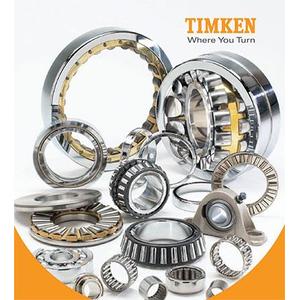
Image 2: An assortment of Timken bearings, showcasing various types including ball bearings, used in diverse industrial applications.
9. Akwụkwọ ikike na nkwado
For warranty information regarding your Timken 203F Single Row Ball Bearing, please refer to the original purchase documentation or contact your authorized Timken distributor or reseller. Warranty terms and conditions may vary based on region and point of purchase.
For technical support or further inquiries, please visit the official Timken website or contact their customer service department. When contacting support, please have your product model number (203F) and any relevant purchase details available.

Image 3: The Timken brand logo, representing a global leader in engineered bearings and power transmission products.


