
1. Okwu mmalite
Daalụ maka ịzụrụasing the TOPPING E50II Compact Desktop DAC. This device is designed to provide high-fidelity audio decoding for various digital sources. It features an AK4497S DAC chip, supports high-resolution audio formats up to PCM768kHz and DSD512, and offers versatile connectivity options including USB, optical, coaxial, RCA, and TRS balanced outputs. This manual provides essential information for proper setup, operation, and maintenance of your E50II.
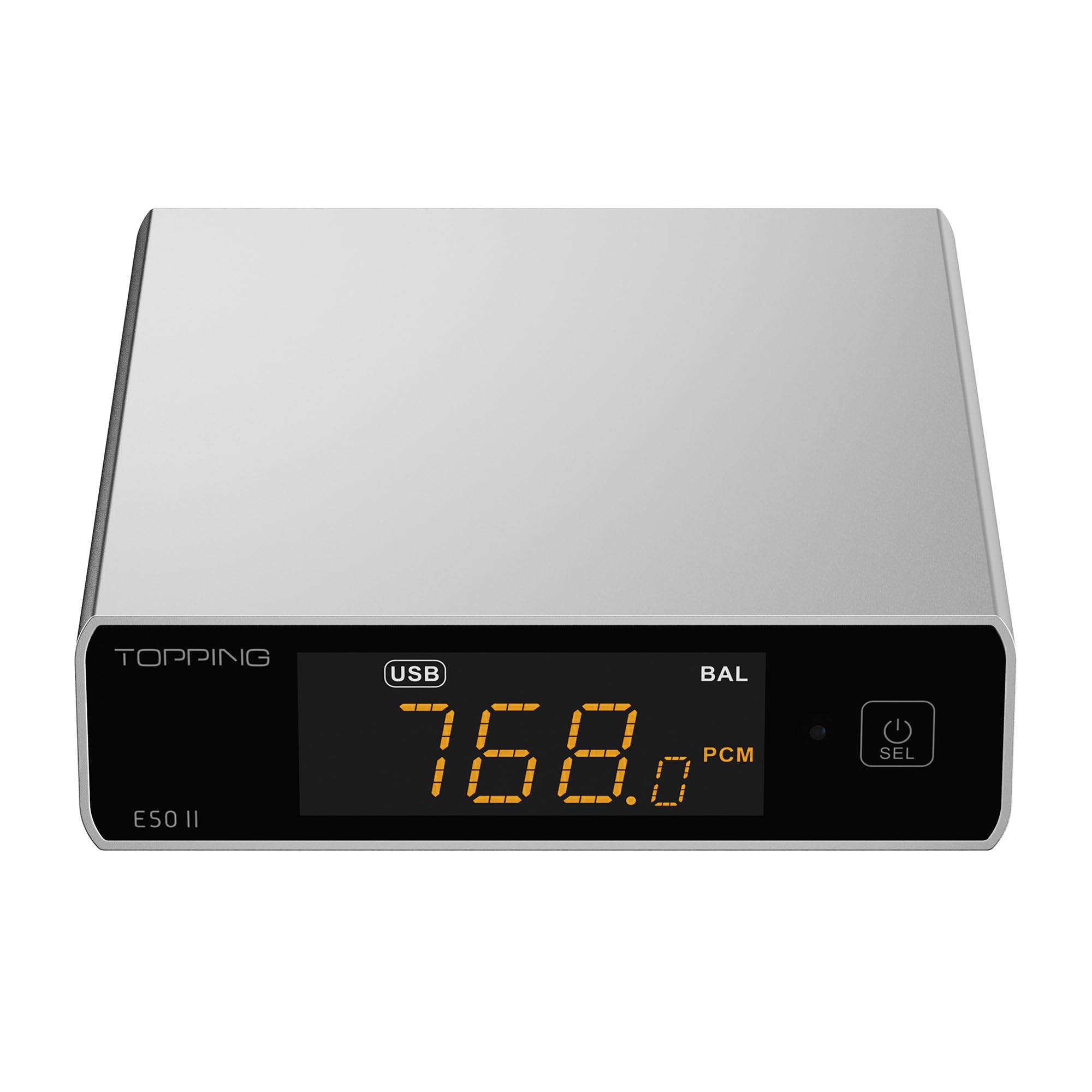
Image 1.1: The TOPPING E50II Compact Desktop DAC in silver finish.
2. Ozi nchekwa
- Ewepụla ma ọ bụ gbanwee ngwaọrụ. Mgbanwe na-akwadoghị nwere ike mebie akwụkwọ ikike ma bute ihe egwu nchekwa.
- Keep the device away from water, moisture, and high temperatures.
- Use only the provided power adapter or a compatible 5V power supply.
- Gbaa mbọ hụ na ikuku ikuku dị na gburugburu ngwaọrụ iji gbochie ikpo oke ọkụ.
- Zere itinye ihe dị arọ na ngwaọrụ.
- Disconnect the power cable during lightning storms or when unused for extended periods.
3. Ihe ngwugwu
Biko lelee ma ihe niile dị na ngwugwu ahụ:
- TOPPING E50II Unit
- Njikwa anya
- Igwe USB (Ụdị-A ruo Ụdị-C)
- USB Power Cable (Type-A to Type-C)
- Antenna Bluetooth
- Akwụkwọ ntuziaka (akwụkwọ a)
- Akwụkwọ ikike kaadị

Image 3.1: Included accessories: remote control, USB cables, and Bluetooth antenna.
4. Ngwaahịa gafereview
4.1 Ogwe ihu

Image 4.1: Front panel of the E50II, showing the display and control button.
- Ngosipụta ihuenyo: Shows current input, sample rate, volume, and other status information.
- Bọtịnụ ọrụ ọtụtụ: Press to power on/off, select input, or adjust settings.
4.2 Ogwe azụ

Image 4.2: Rear panel of the E50II, illustrating various input and output ports.
- RCA Outputs (L/R): Unbalanced analog audio output.
- TRS Balanced Outputs (L/R): Balanced analog audio output.
- Ntinye Coaxial: Ntinye ọdịyo dijitalụ.
- Ntinye anya: Ntinye ọdịyo dijitalụ.
- Ntinye USB-C: For connecting to a computer or other digital source.
- Ntinye ike USB-C: For connecting to a 5V power supply.
- Bluetooth Antenna Connector: For attaching the Bluetooth antenna.
5. Nhazi
5.1 Njikọ ike
Connect the provided USB power cable to the E50II's "POWER" USB-C port and then to a 5V power adapter (not included) or a USB port on your computer. The E50II requires a stable 5V power supply for optimal performance.
5.2 Njikọ ọdịyo
Choose the appropriate input and output connections based on your audio system:
- Ntinye USB: Connect the E50II's "USB" port to your computer or other USB audio source using the provided USB data cable.
- Ntinye Anya/Kọaksilaị: Connect your digital audio source (e.g., CD player, TV) to the E50II's "OPTICAL" or "COAXIAL" input.
- Mpụta RCA: Connect the E50II's "SE" RCA outputs to your amplifier or active speakers using RCA cables.
- TRS Balanced Output: Connect the E50II's "BAL" TRS outputs to your balanced amplifier or active speakers using 6.35mm TRS cables. The E50II supports simultaneous output from both RCA and TRS ports.

Image 5.1: Close-up of the balanced TRS and unbalanced RCA output connections.
5.3 Bluetooth Antenna Installation
Screw the provided Bluetooth antenna onto the antenna connector on the rear panel of the E50II.
5.4 Driver Installation (for Windows)
For Windows operating systems, a dedicated driver is required for USB audio playback up to PCM768kHz and DSD512. The driver can be downloaded from the official TOPPING website. Follow the on-screen instructions for installation. macOS and Linux typically do not require a separate driver.
6. Ntuziaka ọrụ
6.1 Basic Arụmọrụ

Image 6.1: A hand interacting with the multi-function button on the E50II's front panel.
- Gbanyụọ/ Gbanyụọ: Press and hold the multi-function button for 3 seconds to power on or off.
- Nhọrọ ntinye: Briefly press the multi-function button to cycle through available inputs (USB, Optical, Coaxial, Bluetooth).
- Njikwa olu: Rotate the multi-function button to adjust the volume.
6.2 Iji njikwa anya
The included remote control provides convenient access to various functions:
- Bọtịnụ ike: Gbanyụọ/gbanyụọ unit
- Input Selection Buttons: Dedicated buttons for USB, Optical, Coaxial, and Bluetooth inputs.
- Elu elu/ala: Na-edozi olu mmepụta.
- Mechie: Mutes/unmutes the audio output.
- EQ bọtịnụ: Cycles through PEQ presets.
- Bọtịnụ nzacha: Cycles through digital filter modes.
- Gain Button: Switches between Low and High gain modes.
6.3 TOPPING Home App Control
The E50II is compatible with the "TOPPING Home" app, allowing control from your smartphone or tablet via Bluetooth. This app enables input switching, EQ settings, and volume adjustment remotely.

Image 6.2: Smartphone displaying the TOPPING Home app interface for controlling the E50II.
6.4 Bluetooth arụ ọrụ
Iji jikọọ site na Bluetooth:
- Switch the E50II input to Bluetooth mode. The display will show "BT".
- On your mobile device, search for "TOPPING E50II" in the Bluetooth settings and pair.
- Once connected, audio from your device will be streamed to the E50II. The E50II supports LDAC, aptX-Adaptive, aptX HD, aptX, AAC, and SBC codecs.
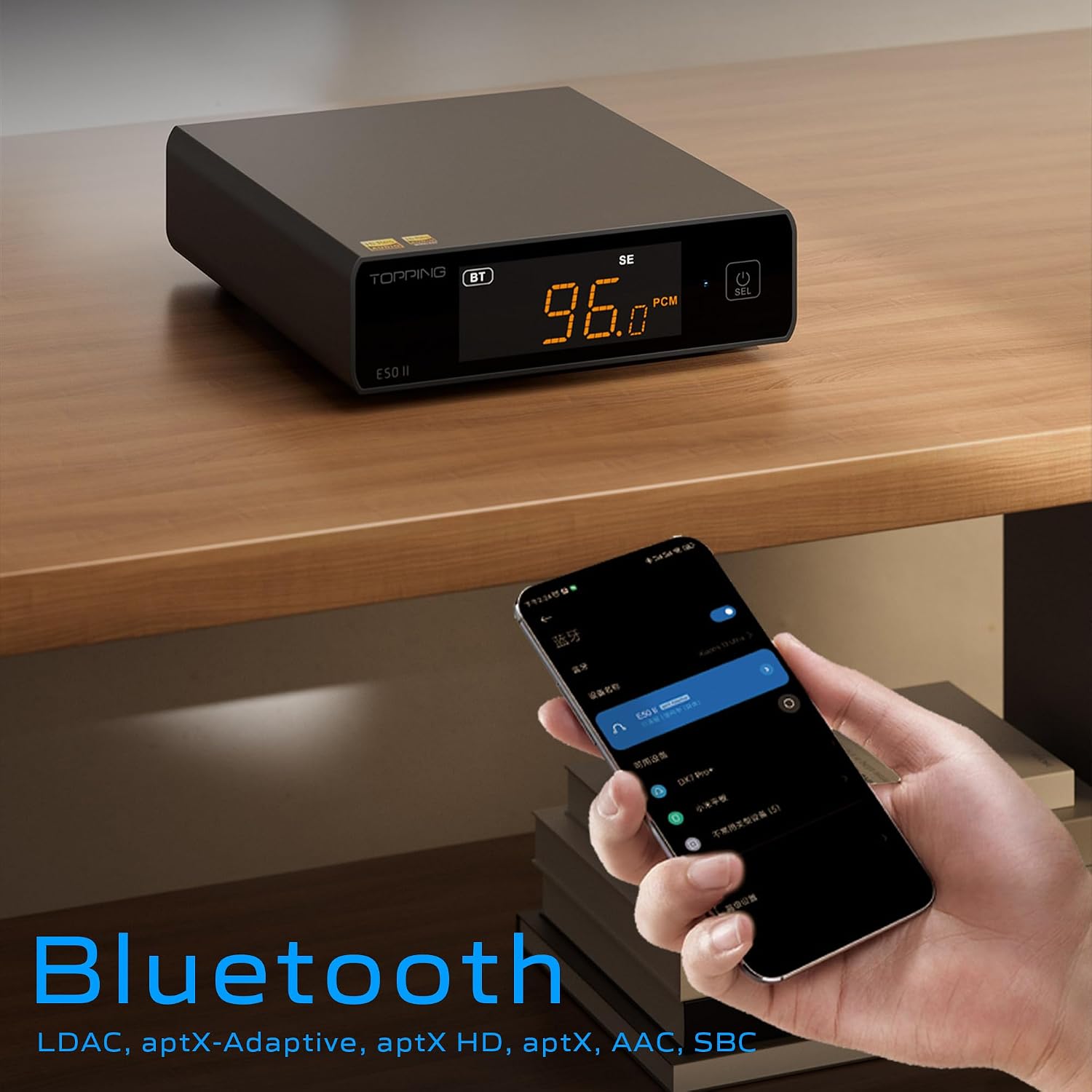
Image 6.3: A black E50II unit with a smartphone showing Bluetooth connection status.
6.5 PEQ (Parametric Equalizer) Function
The E50II features a 10-band Parametric Equalizer (PEQ) for precise sound customization. You can adjust frequency, gain, and bandwidth for each band. This function is accessible via the TOPPING Home app or dedicated PC software.

Image 6.4: Screenshot of the TOPPING TUNE FOR PC software interface, showing the 10-band PEQ settings.
6.6 N'ihuamp Ọrụ
The E50II can function as a preamplifier, allowing direct connection to a power amplifier or active speakers. In this mode, the volume can be controlled via the remote or the TOPPING Home app, providing precise output level control to prevent overload or under-driving of connected equipment.
7. Nlekọta
- Jiri akwa dị nro hichaa ngwaọrụ ahụ. Ejila ihe nhicha mmiri ma ọ bụ ikuku ikuku.
- Debe oghere ikuku ikuku na uzuzu na irighiri ihe.
- Chekwaa ngwaọrụ ahụ n'ebe dị jụụ, kpọrọ nkụ mgbe ọ naghị eji ya.
8. Nchọpụta nsogbu
| Nsogbu | Ihe nwere ike ime | Ngwọta |
|---|---|---|
| Enweghị mmepụta ụda | Incorrect input/output selection, loose cables, muted volume. | Check input source, ensure cables are securely connected, unmute or increase volume. |
| Ngwaọrụ anaghị agbanwu ọkụ | Power cable not connected, faulty power adapter. | Ensure power cable is connected to a working 5V source. Try a different power adapter. |
| Nsogbu njikọ Bluetooth | E50II not in Bluetooth mode, device not paired, interference. | Switch E50II to Bluetooth input. Re-pair the device. Ensure no strong interference sources nearby. |
| Olu agbagọ | Input signal too high, incorrect gain setting, faulty cables. | Reduce source volume. Adjust E50II gain setting. Try different audio cables. |
| Windows USB driver not working | Incorrect driver installation, driver conflict. | Reinstall the latest driver from the TOPPING website. Check for other conflicting audio drivers. |
9. Nkọwapụta
- Akara: Topping
- Ụdị: E50II
- Chip DAC: AK4497S
- Njikọ USB: XMOS XU316
- Max USB Decoding: PCM 768kHz / DSD512
- Optical/Coaxial Decoding: Ruo 192kHz
- Codec Bluetooth: LDAC, aptX-Adaptive, aptX HD, aptX, AAC, SBC
- Ụkpụrụ mmepụta ụda: Stereo
- Ngwa ngwa mmepụta RCA (unbalanced), 6.35mm TRS (balanced)
- Ọnụ ụzọ ntinye: USB, Optical, Coaxial, Bluetooth
- Atụmatụ: 10-band PEQ, Preamp function, TOPPING Home App control, Top Sync circuit for low jitter.
10. Akwụkwọ ikike na nkwado
The TOPPING E50II is covered by the manufacturer's or authorized agent's warranty regulations. Please refer to the warranty card included in your package for specific terms and conditions. For technical support, driver downloads, or service inquiries, please visit the official TOPPING websaịtị ma ọ bụ kpọtụrụ onye na-ere ahịa ikike mpaghara gị.
Official TOPPING Websaịtị: www.toppingaudio.com