
1. Okwu mmalite
The Huawei OptiXstar K251a-21 is a sub-FTTR (Fiber to the Room) unit designed to extend the high-speed network provided by the Huawei FTTR OptiXstar F50 Plus main unit. This device supports ultra-Gigabit high-speed access via upstream fiber optic lines and delivers Ultra Gigabit dual-band Wi-Fi and ultra-Gigabit network ports to users. It integrates next-generation Wi-Fi 7 technology for higher speeds and lower latency, ensuring a superior home network experience.
2. Ozi nchekwa
Please read and understand all safety instructions before using this device. Failure to follow these instructions may result in injury, damage to the device, or property damage.
- Jiri naanị ihe nkwụnye ọkụ ewepụtara na ngwaọrụ ahụ.
- Ewepụla ngwaọrụ ahụ na mmiri, mmiri, ma ọ bụ oke okpomọkụ.
- Zere idobe ngwaọrụ n'akụkụ ebe okpomọkụ ma ọ bụ na ìhè anyanwụ.
- Gbaa mbọ hụ na ikuku ikuku dị mma iji gbochie ikpo oke ọkụ.
- Do not attempt to open or repair the device yourself. Contact qualified service personnel for assistance.
- Debe ngwaọrụ ahụ n'ebe ụmụaka nọ na anụ ụlọ.
3. Ihe ngwugwu
Chọpụta na ihe niile dị na ngwugwu gị:
- Huawei OptiXstar K251a-21 Sub FTTR Device
- Igwe ọkụ ọkụ
- Ntuziaka mmalite ngwa ngwa (ọ bụrụ na etinyere ya)
4. Ngwaahịa gafereview
Mara ihe ndị dị na ngwaọrụ ahụ na ihe ngosi ya.
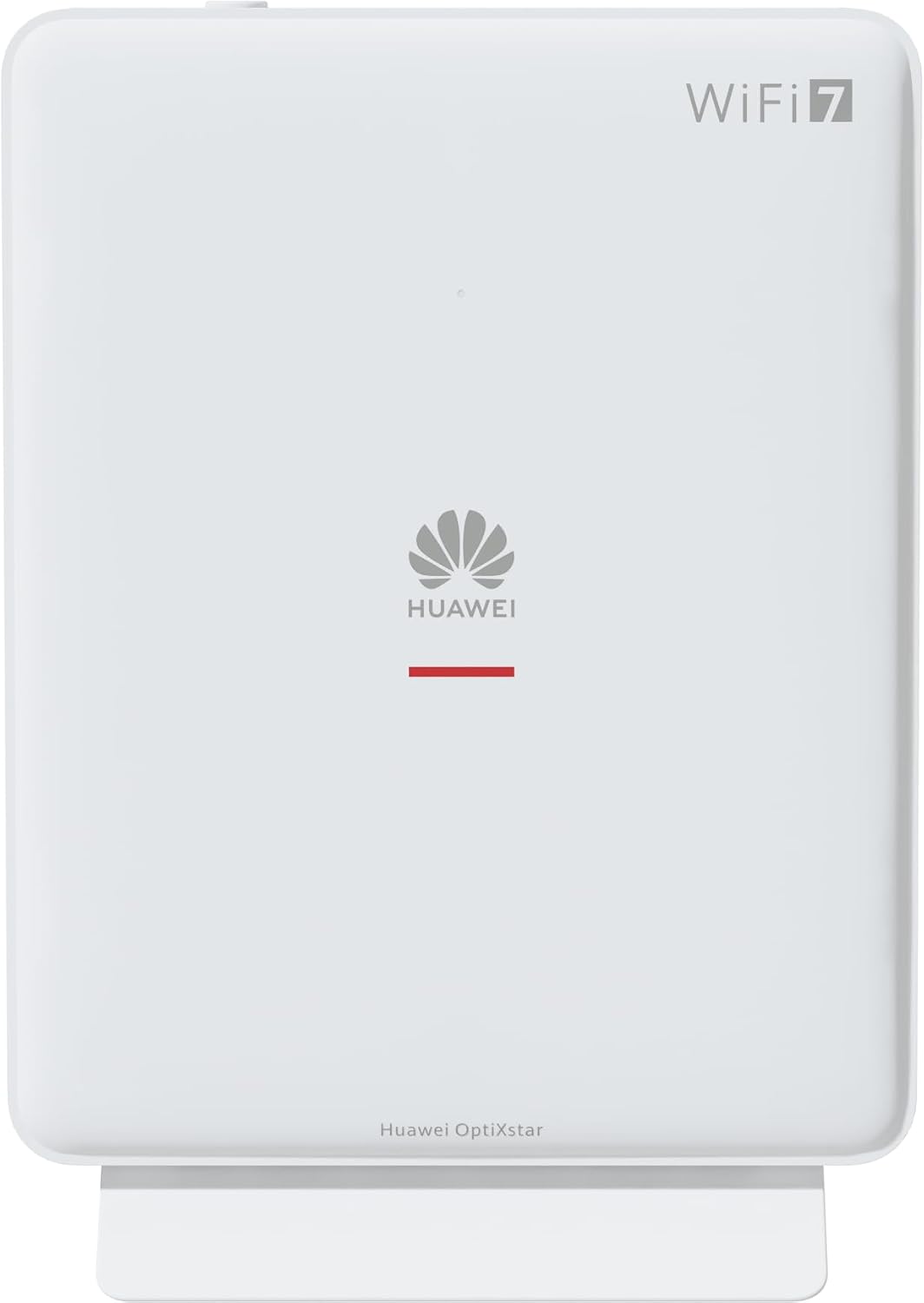
Foto 1: N'ihu view of the Huawei OptiXstar K251a-21 Sub FTTR device, showing the Huawei logo and "WiFi 7" branding.

Figure 2: Angled front-side view of the Huawei OptiXstar K251a-21 Sub FTTR, highlighting its sleek design and ventilation.

Ọgụgụ 3: N'azụ view of the Huawei OptiXstar K251a-21 Sub FTTR, displaying the ports (Reset, 2-GE, 1-2.5GE, Power, FTTR) and mounting options.

Ọgụgụ 4: Akụkụ profile of the Huawei OptiXstar K251a-21 Sub FTTR, showing its slim form factor and ventilation grilles.

Foto nke 5: Azụ nwere akụkụ anọ view of the Huawei OptiXstar K251a-21 Sub FTTR, providing a clear look at the port labels and layout.

Foto 6: Top view of the Huawei OptiXstar K251a-21 Sub FTTR, featuring the WPS/LED button.
Ọdụ ụgbọ mmiri na bọtịnụ:
- FTTR Port: Connects to the main FTTR unit via a fiber optic cable.
- 1-2.5GE Port: Gigabit Ethernet port for high-speed wired connections.
- 2-GE Port: Gigabit Ethernet ọdụ ụgbọ mmiri maka njikọ wired.
- Ike Port: Jikọọ na nkwụnye ọkụ.
- Tọgharịa bọtịnụ: Used to restore factory settings (press and hold for 5-10 seconds).
- WPS/LED Button: Initiates Wi-Fi Protected Setup (WPS) for easy device connection and controls LED indicators.
5. Nhazi
Follow these steps to set up your Huawei OptiXstar K251a-21 Sub FTTR device:
- Nkwanye: Choose a central location in your home for optimal Wi-Fi coverage. The device is suitable for various installation scenarios, including vertical placement on a desk, wall-mounting, plugging into a power strip, or mounting in an 86mm junction box with a bracket.
- Jikọọ eriri Fiber optic: Connect one end of the fiber optic cable to the FTTR port on the Sub FTTR unit and the other end to the corresponding FTTR port on your Huawei FTTR OptiXstar F50 Plus main unit or wall outlet. Ensure the connection is secure.
- Njikọ Ike: Plug the power adapter into the Power port on the Sub FTTR unit, then plug the other end into a power outlet.
- Ike Na: The device will automatically power on. Wait for the indicator lights to stabilize, typically indicating a successful connection to the main FTTR unit and active Wi-Fi.
- Wired Connections (Optional): For wired devices, connect an Ethernet cable from the 1-2.5GE or 2-GE ports on the Sub FTTR to your computer, gaming console, or other network devices.
6. .rụ ọrụ
Once set up, your OptiXstar K251a-21 provides seamless Wi-Fi 7 connectivity.
- Njikọ Wi-Fi: Chọọ maka the Wi-Fi network name (SSID) broadcast by your FTTR system on your devices (smartphones, laptops, etc.). Enter the Wi-Fi password. The system's unique SRCN (Seamless Roaming Coordinate Network) technology ensures seamless roaming throughout your home.
- C-WAN Architecture: The C-WAN architecture centrally controls and coordinates network-wide Wi-Fi resources via the Main FTTR, providing an ultra-Gigabit high-speed experience.
- IoT Casing: The device features an IoT casing designed to protect home network security and privacy.
- Ọrụ WPS: Press the WPS/LED button briefly to use Wi-Fi Protected Setup (WPS) for quick connection of compatible devices without entering the password.
- Ihe ngosi LED: The LED indicators provide status information. Refer to the main FTTR unit's manual or the device's specific documentation for detailed LED status meanings.
7. Nlekọta
Regular maintenance helps ensure optimal performance and longevity of your device.
- Nhicha: Gently wipe the device with a soft, dry cloth. Do not use liquid cleaners or abrasive materials.
- Mmelite femụwe: Huawei periodically releases firmware updates to improve performance and security. These updates are typically managed through the main FTTR unit or a dedicated mobile application. Ensure your system is always running the latest firmware.
- Igwe ikuku: Gbaa mbọ hụ na egbochighị oghere ikuku iji gbochie ikpo oke ọkụ.
- Njikwa USB: Keep fiber optic and power cables neatly organized and free from kinks or excessive bending.
8. Nchọpụta nsogbu
Ọ bụrụ na ị na-enwe nsogbu, gbalịa usoro nchọpụta nsogbu ndị a:
- Enweghị ike: Check if the power cable is securely connected to both the device and the power outlet. Try a different outlet.
- Enweghị njikọ ịntanetị:
- Verify that the fiber optic cable is correctly connected to the FTTR port.
- Check the status indicators on both the Sub FTTR and the main FTTR unit.
- Restart both the Sub FTTR and the main FTTR unit by unplugging them from power for 30 seconds and then plugging them back in.
- Ensure your main FTTR unit has an active internet connection.
- Ọsọ Wi-Fi dị nwayọ:
- Ensure the device is placed optimally, away from obstructions and interference sources.
- Check if too many devices are connected to the network.
- Update the firmware of your FTTR system.
- Consider using a wired connection for bandwidth-intensive tasks.
- Enweghị ike ijikọ na Wi-Fi:
- Chọpụta na ị na-abanye paswọọdụ Wi-Fi ziri ezi.
- Try using the WPS button to connect.
- Restart your device and the Sub FTTR unit.
- Tọgharia Factory: If issues persist, you may need to perform a factory reset. With the device powered on, use a pointed object (like a paperclip) to press and hold the Reset button for 5-10 seconds until the indicators change. Note that this will erase all custom settings.
9. Nkọwapụta
| Njirimara | Nkọwapụta |
|---|---|
| Ụdị | Huawei |
| Nọmba nlereanya | K8M251a-21G02 |
| Akụkụ (Ngwugwu) | 24.5 x 23.7 x 7.4 cm |
| Ibu (Ngwugwu) | 300 grams |
| Njirimara Pụrụ Iche | Nchekwa ịntanetị |
| Klaasị ugboro ugboro | Abụọ Band |
| Ikuku Communication Standard | 802.11ax (Wi-Fi 7 Generation) |
| Ngwa dakọtara | Kọmputa nkeonwe |
| Eji akwadoro | Ụlọ |
| Ngwa gụnyere | Igwe ọkụ ọkụ |
| Teknụzụ Njikọta | Ethernet, FTTR, Wi-Fi, Fiberglass |
| Agba | Ọcha |
| Ọnụọgụ nke ọdụ ụgbọ mmiri | 4 (FTTR, 1-2.5GE, 2-GE, Power) |
| Ọnụego mbufe data | 1 Gigabits per second |
| Ndakọrịta Smart Home | Compatible with smart home systems |
| Njikọ Ịntanetị | Ee |
| Protocol Njikọta | Wi-Fi |
10. Akwụkwọ ikike na nkwado
For warranty information and technical support, please refer to the official Huawei website or contact your local Huawei customer service. Keep your purchase receipt for warranty claims.
Akụrụngwa dị n'ịntanetị: Visit the official Huawei support website for FAQs, updated manuals, and software downloads.
Ndị ọrụ nlekọta ndị ahịa: Contact details for customer support can typically be found on the Huawei website or in the documentation provided with your main FTTR unit.