
1. Okwu mmalite
This manual provides essential information for the safe and efficient operation, assembly, and maintenance of your BILT HARD 22-inch Portable Sawmill. Designed for homeowners, DIY enthusiasts, and small woodworking shops, this sawmill is equipped with a powerful 270cc 9HP 4-stroke gas engine, capable of handling logs up to 22 inches in diameter and producing boards up to 20 inches wide. Please read this manual thoroughly before initial use to ensure proper function and safety.
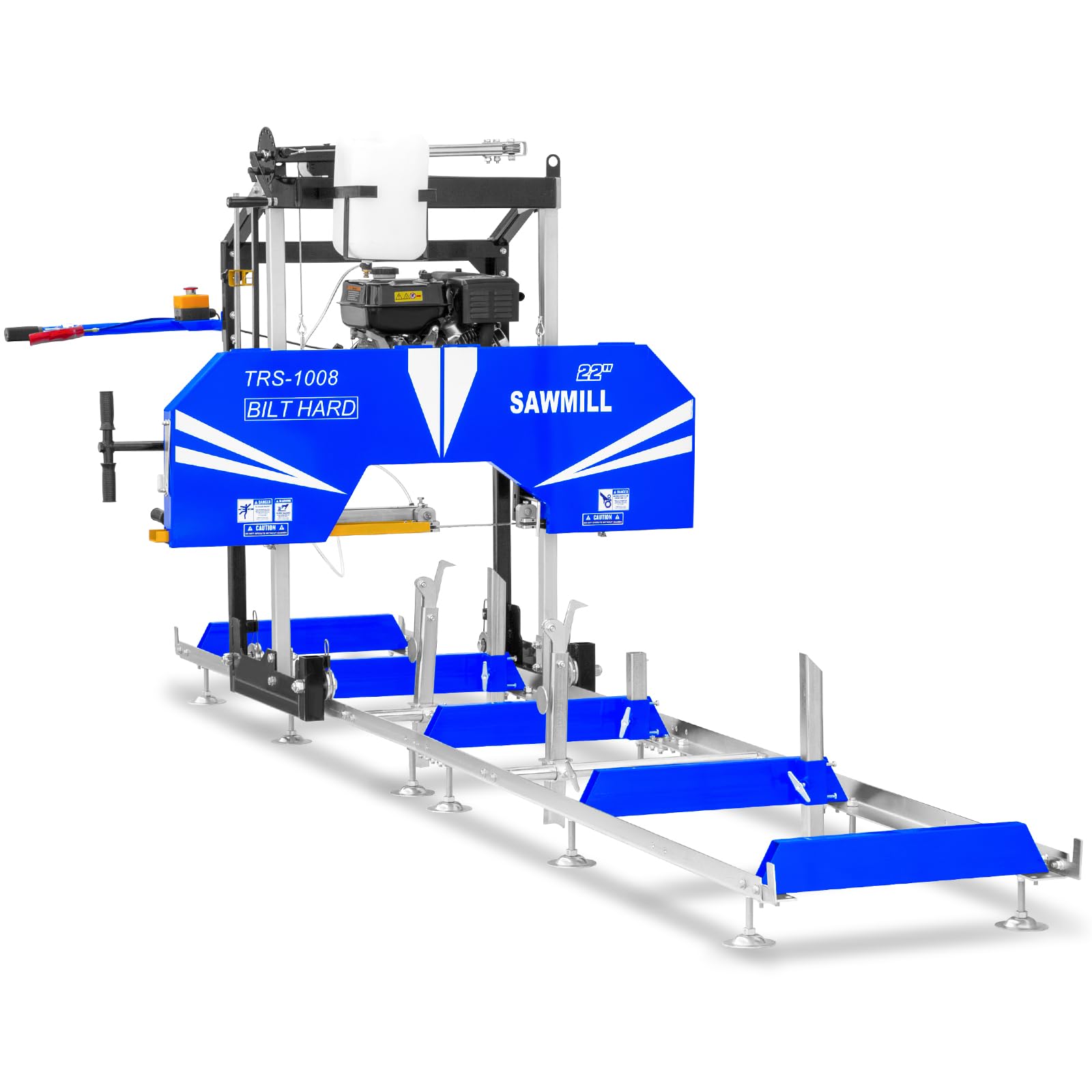
Figure 1: BILT HARD 22-inch Portable Sawmill Overview
Vidiyo 1: Agafeeview of the BILT HARD 22-inch Portable Sawmill in operation.
2. Ozi nchekwa
Nchekwa gị bụ ihe kacha mkpa. Soro ntuziaka nchekwa ndị a mgbe niile:
- Gụọ akwụkwọ ntuziaka ahụ dum: Understand all instructions and warnings before operating the sawmill.
- Ngwa nchekwa nkeonwe (PPE): Always wear safety glasses, hearing protection, gloves, and sturdy footwear. Avoid loose clothing that could get caught in moving parts.
- Mpaghara ọrụ: Ensure the work area is clear of bystanders, especially children and pets. Maintain a clean, well-lit, and level work environment.
- Log Stability: Always secure logs firmly with the provided log clamps before cutting.
- Nchekwa agụba: Never touch the blade while the engine is running or immediately after it has stopped. Ensure the blade guard is in place.
- Ọrụ injin: Operate the gas engine in a well-ventilated area to prevent carbon monoxide poisoning. Always use the emergency stop button for immediate shutdown.
- Nlekọta: Kwụpụ waya plọg ọkụ tupu ị rụọ ọrụ mmezi ma ọ bụ mgbanwe ọ bụla.
3. Ntọala na Mgbakọ
Follow these steps for proper assembly of your BILT HARD Portable Sawmill. Refer to the installation video for visual guidance.
Video 2: Detailed installation guide for the BILT HARD 22-inch Portable Sawmill.
3.1. Unboxing and Part Identification
- Carefully open the wooden crate and remove all components.
- Identify all parts against the packing list to ensure everything is present. The instruction manual is located in the manual tube on the main unit.
3.2. Mgbakọ egwu
- Lay out the track rails in two parallel lines.
- Install the adjustable feet at the bottom of each track section. There are 3 feet per track section, totaling 12 feet for the standard 13-foot track length.
- Attach the two crossbeams at the front and rear ends of the track using Hexagon flange bolts (M10x30) and Nuts (M10). Ensure they are installed on the second row of screw holes.
- Install L-shaped anti-drop hooks at the four corners of the track.
- Install the remaining two crossbeams evenly on the track, ensuring the vertical bars and square openings are consistent. A reinforcement plate is installed at the bottom of these connections.
- Install the sliding tube onto the track using Hexagon flange bolts (M10x30) and Nuts (M10).
- Level the entire bunk assembly using a spirit level and adjust the feet as necessary.
- Use a rope to ensure all crossbeams are at the same height.
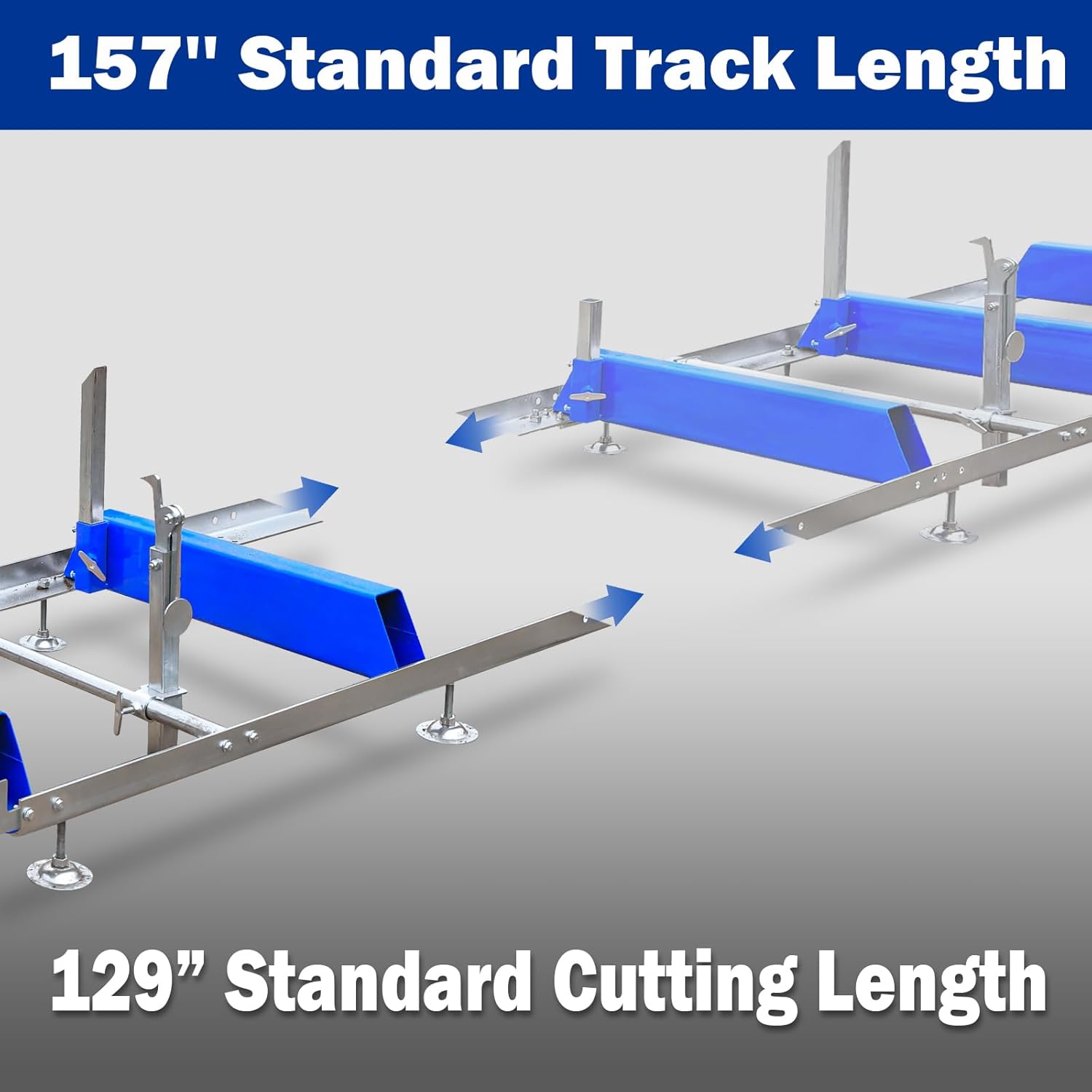
Figure 2: Standard track length of 157 inches (13 feet).
3.3. Main Unit Installation
- Insert the log supports into the vertical slots on the track. Tighten the T-shaped screws and hexagonal flange bolts (M8x30).
- Lift the main sawmill unit onto the assembled track. Ensure the handle is lifted to loosen the internal lock before inserting the tube. The left side uses a square tube, and the right side uses a round tube.
- Place the left pulley bracket under the square tube and release the handle to lower it down.
- Use the connecting plate to connect the tube to the pulley bracket using Hexagon head bolts (M12x80), flat washers, and Hexagon self-locking nuts (M12).
- Lock the handles on both sides and remove the lifting equipment.
- Install the top crossbeam by inserting the right circular ring into the round tube and tightening the screws on the left connecting plate.
- Install the lifting handle using a flat washer (M16) and Hexagon self-locking nut (M16).
- Install the water bucket frame.
- Install the height indicator on the irregular-shaped connecting piece on the right side.
- Remove the hex socket screws and install the ruler.
- Install the throttle handle and emergency switch on the square rod as shown.
- Install the steel wire, ensuring the direction is consistent with the video. Adjust the lifting handle to facilitate the wire hook.
- Connect the emergency stop switch wire to the engine. The blue ground wire connects to the metal parts of the engine casing.
- Connect the black and red wires to the battery (black for negative, red for positive). Ihe ize ndụ nke ujo eletrik.
- Place the water bucket in its frame and connect it to the blade's water outlet.
- Install the throttle cable.

Figure 3: Sawmill fully assembled and ready for operation.
4. Ntuziaka ọrụ
4.1. Nyochaa tupu arụ ọrụ
- Ensure all fasteners are tight and secure.
- Lelee ọkwa mmanụ injin na mmanụ ụgbọala.
- Verify the blade is properly tensioned and free from damage.
- Confirm the water lubrication system is filled and connected.
- Clear the track and surrounding area of any debris.
4.2. Ịmalite Engine
The 270cc Ducar 4-stroke engine features a straightforward recoil start mechanism. Follow the engine manufacturer's instructions for starting. Ensure the emergency stop button is disengaged before attempting to start.
4.3. Loading and Securing Logs
- Carefully roll the log onto the track bunks.
- Position the log clamps to firmly secure the log in place, preventing any movement during cutting.

Figure 4: Sawmill processing a log, demonstrating the 22-inch maximum log diameter capacity.
4.4. Adjusting Cutting Thickness
Use the precision thickness ruler and adjustment handle to set the desired board thickness. This allows for precise cuts and minimizes waste.

Figure 5: Close-up of the emergency stop button and the adjustable cutting thickness mechanism.
4.5. Ịkpụcha ihe
- Engage the blade and ensure the water lubrication system is active.
- Using the throttle handle, control the cutting speed as you push the saw head through the log. The carbon steel blade spins at 65.7 feet per second for clean, accurate cuts.
- Maintain a steady, consistent pace.
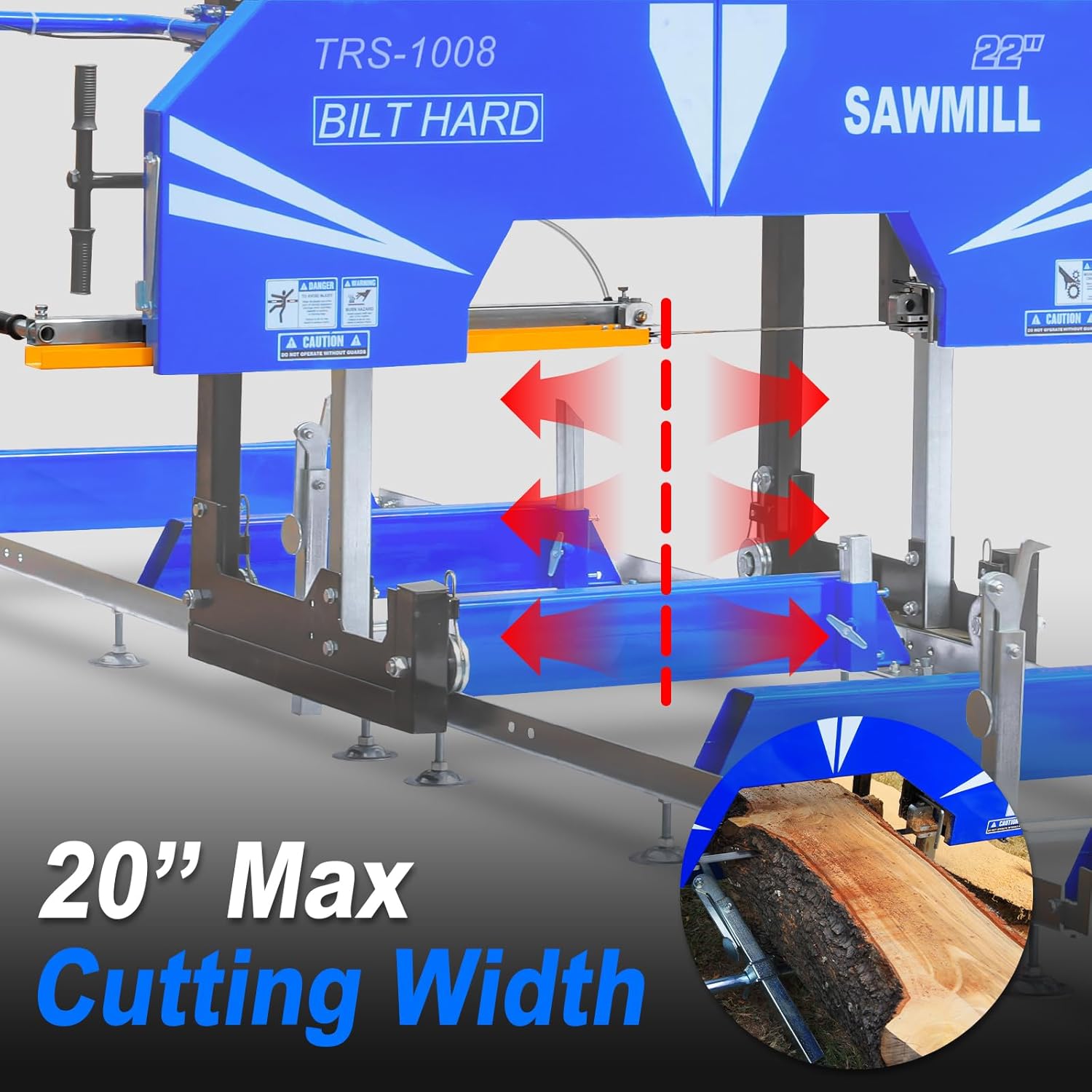
Figure 6: The sawmill is capable of producing boards up to 20 inches wide.
4.6. Nkwụsị Mberede
In case of an emergency, immediately press the red emergency stop button located on the handle to shut down the engine.
5. Nlekọta
Regular maintenance ensures the longevity and optimal performance of your sawmill.
5.1. Nlekọta agụba
- Inspect the carbon steel blade (dimensions: 127" x 1.25" x 0.04") before each use for sharpness and damage.
- Sharpen or replace the blade as needed. A dull blade can lead to poor cut quality and increased strain on the engine.

Figure 7: The durable carbon steel saw blade and the manual tube for storing documents.
5.2. Engine Maintenance
- Refer to the 270cc Ducar 4-stroke engine manual for specific maintenance schedules.
- Na-enyocha ma gbanwee mmanụ engine mgbe niile.
- Clean or replace the air filter as recommended.
- Lelee plọg ọkụ wee dochie ma ọ bụrụ na ọ dị mkpa.
5.3. Track and Frame
- Keep the track rails and bunks clean and free of sawdust and debris.
- Inspect the track and frame for any signs of damage or wear.
- Lubricate moving parts as specified in the detailed manual.
6. Nchọpụta nsogbu
If you encounter issues with your sawmill, consider the following common problems and solutions:
- Injin Akwụsịghị Ịmalite: Check fuel level, spark plug connection, and ensure the emergency stop button is disengaged. Refer to the engine manual for detailed troubleshooting.
- Mbelata na-enweghị isi: Verify the track is level, log clamps are secure, and the blade is sharp and properly tensioned. Check for any debris on the track or blade guides.
- Blade Stalling: Reduce cutting speed, ensure the blade is sharp, and check for proper water lubrication.
- Oke mmaji: Inspect the blade for damage or imbalance. Check all mounting bolts for tightness.
For persistent issues, contact BILT HARD customer service.
7. Nkọwapụta
| Njirimara | Nkọwapụta |
|---|---|
| Ụdị | O siri ike |
| Nọmba nlereanya | TRS |
| Injin | 270cc 9HP 4-Stroke Gas Engine (Ducar) |
| Oke Log Dayameta | 22 sentimita asatọ |
| Max Board Width | 20 sentimita asatọ |
| Ọkpụrụkpụ ịkpụ kacha | 6.3 sentimita asatọ |
| Ogologo Ogologo | 13 feet (157 inches total) |
| Standard Cutting Length | 129 sentimita (10.7 ụkwụ) |
| Ihe agụba | Igwe Carbon dị elu |
| Akụkụ agụba | 127" x 1.25" x 0.04" |
| Ọsọ agụba | 65.7 ụkwụ kwa sekọnd |
| Ọnụọgụ nke eze | 45 |
| Isi Iyi Ike | Gas |
| Akụkụ ihe (L x W x H) | 173.23"L x 68.9"W x 63"H |
| Ibu Ibu | 716.5 pound |
| Agba | Acha anụnụ anụnụ |
8. Akwụkwọ ikike na nkwado
BILT HARD is committed to offering high-quality products and exceptional customer service. For any questions, concerns, or support needs regarding your 22-inch Portable Sawmill, please contact us directly via Amazon email or through our official website. Please note that Amazon does not handle returns of gasoline-related products.