
1. Okwu mmalite
This manual provides essential information for the proper setup, operation, and maintenance of your Pisichen 24-inch 2K QHD 2560x1440 IPS Touchscreen Monitor. Please read this manual thoroughly before using the product to ensure optimal performance and safety.
The Pisichen 24-inch monitor features a 2K QHD (2560x1440) resolution IPS panel, a 100Hz refresh rate, and 10-point multi-touch functionality, designed for both productivity and entertainment.
2. Ihe ngwugwu
Verify that all items listed below are present in your product package. If any items are missing or damaged, please contact customer support.
- Pisichen 24-inch 2K QHD Touchscreen Monitor
- Nyochaa Stand (Base and Olu)
- DP USB
- HDMI USB
- USB B Touch Cable
- USB CC USB
- Ada Ada Ike DC
- Akwụkwọ ntuziaka (akwụkwọ a)

Foto 2.1: Included accessories with the Pisichen 24-inch monitor.
3. Nhazi ntuziaka
3.1. Ịchịkọta ihe nguzozi ihe nlele ahụ
- Jiri nlezianya wepụ ihe nleba anya ma guzobe ihe ndị dị na nkwakọ ngwaahịa ahụ.
- Attach the stand neck to the monitor panel. Ensure it clicks securely into place or is fastened with the provided screws.
- Attach the stand base to the stand neck. Tighten the thumb screw at the bottom of the base to secure it.
- Debe ihe nleba anya gbakọtara n'elu kwụsiri ike ma dịkwa larịị.
3.2. Ijikọ na Ngwaọrụ
The monitor offers multiple connectivity options. Choose the appropriate cable for your device.
- Njikọ HDMI: Connect one end of the HDMI cable to the HDMI port on your computer or device and the other end to the HDMI port on the monitor.
- Njikọ USB-C: Connect one end of the USB-C cable to a compatible USB-C port on your computer or device (which supports video output) and the other end to the USB-C port on the monitor. This connection can also provide power and data.
- Njikọ DisplayPort (DP): Connect one end of the DP cable to the DisplayPort on your computer or device and the other end to the DP port on the monitor.
- USB B for Touch Function: For touch functionality with a PC, connect the included USB B Touch Cable from the USB-B port on the monitor to a standard USB-A port on your computer. This is essential for enabling touch input.

Foto 3.1: Universal connectivity options for the monitor.
3.3. Na-agbanye ike
- Connect the DC Power Adapter to the power input port on the monitor.
- Tinye nkwụnye ọkụ n'ime oghere mgbidi.
- Press the power button on the monitor (location may vary, typically on the back or bottom right) to turn it on.
4. Ntuziaka ọrụ
4.1. Basic Ọrụ
- Gbanyụọ/ Gbanyụọ: Pịa bọtịnụ ike ka ịgbanwuo ma ọ bụ gbanyụọ ihe nleba anya.
- Nhọrọ Isi mmalite ntinye: Use the monitor's OSD (On-Screen Display) menu buttons to select the desired input source (HDMI, USB-C, DP).
- Ntugharị NchNhr OSD: The monitor features physical buttons (usually on the back or bottom) to access and navigate the OSD menu. These buttons typically include Menu, Up, Down, and Exit/Select.
4.2. Mmetụ aka
The Pisichen monitor supports 10-point multi-touch input, allowing for intuitive interaction with your content. To enable touch functionality:
- Ensure the USB B Touch Cable is connected from the monitor's USB-B port to your computer's USB-A port.
- Your operating system should automatically detect the touch input device. No additional drivers are typically required for Windows.

Foto 4.1: Direct touch control on the monitor.
Touch Compatibility
The touch function is widely compatible with various devices. Refer to the compatibility chart below for optimal performance.

Foto 4.2: Touch compatibility for various devices.
Mara: Some devices, including certain gaming consoles (PS3/4/5, Xbox, Steam Deck) and mobile devices (iPhone, iPad, Switch, Fire TV), do not support the touch functionality of this monitor due to platform-specific restrictions.
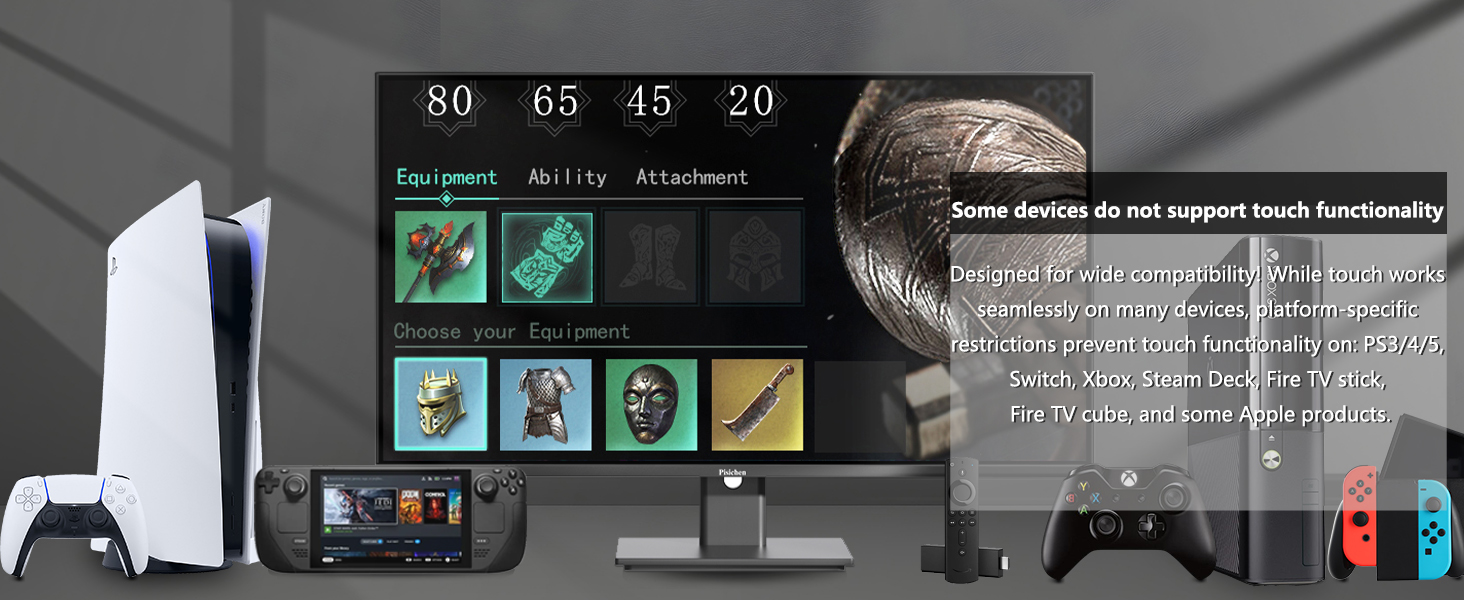
Foto 4.3: Devices where touch functionality is not supported.
5. Ngosipụta Ntọala
Access the OSD menu to adjust various display settings for optimal viewing.
- Mkpebi: The monitor supports a native resolution of 2560x1440 (2K QHD). Ensure your device's display settings are configured to this resolution for the sharpest image.
- Ọnụego ume ọhụrụ: The monitor operates at a 100Hz refresh rate, providing smoother visuals compared to standard 60Hz monitors.
- Icha ọkụ & ọdịiche: Adjust these settings to suit your environment and personal preference. The monitor features 400 cd/m² brightness and a 1500:1 contrast ratio.
- Ntọala agba: Fine-tune color temperature, gamma, and other color parameters. The IPS panel ensures wide viewing akụkụ na ezi agba mmeputakwa.
- Eye Comfort Features: The monitor includes Flicker-Free technology and Low Bluelight modes to reduce eye strain during extended use.

Foto 5.1: Visual comparison of 2K QHD vs. Full HD resolution.

Foto 5.2: IPS panel benefits: True Color, True Vision from Any Angle.

Foto 5.3: Advanced Eye-Comfort features.
6. Nlekọta
6.1. Na-ehicha ihe nlekota
- Gbanyụọ ihe nleba anya mgbe niile wee wepụ eriri ọkụ tupu ihicha ya.
- Jiri akwa dị nro na-enweghị ntụpọ dampejiri mmiri mee ya ma ọ bụ ihe dị nro, ihe nhicha ihuenyo anaghị emebi emebi.
- Gently wipe the screen and exterior surfaces. Avoid applying excessive pressure.
- Do not use alcohol, ammonia-based cleaners, or abrasive materials, as these can damage the screen surface.
6.2. Nchekwa
If storing the monitor for an extended period, ensure it is powered off, unplugged, and stored in a cool, dry place away from direct sunlight and extreme temperatures. Use the original packaging if available for best protection.
7. Nchọpụta nsogbu
Ọ bụrụ na ị hụ nsogbu na ihe nlele gị, gaa na usoro ndị a na-emekarị maka nchọpụta nsogbu:
- Enweghị ike: Ensure the power adapter is securely connected to both the monitor and a working power outlet. Check if the power indicator light on the monitor is on.
- Enweghị akara: Verify that the video cable (HDMI, USB-C, or DP) is securely connected to both the monitor and your source device. Ensure the correct input source is selected via the OSD menu.
- No Touch Functionality: Confirm that the USB B Touch Cable is properly connected from the monitor to your computer. Check your computer's device manager to see if the touch device is recognized.
- Ihuenyo Na-egbukepụ egbukepụ: Check the video cable connection. Try a different cable or input port. Ensure your graphics card drivers are up to date.
- Agbahie/Agba Na-ezighi Ezi: Reset the monitor to factory settings via the OSD menu. Adjust brightness, contrast, and color settings.
Maka nsogbu ndị na-adịgide adịgide nke usoro ndị a na-edozibeghị, biko kpọtụrụ ndị ọrụ nkwado ndị ahịa.
8. Nkọwapụta
| Njirimara | Nkọwapụta |
|---|---|
| Nọmba nlereanya | QHD-2k100hz-24INTS |
| Nha ihuenyo | 24 sentimita asatọ |
| Mkpebi | 2560 x 1440 pikselụ (QHD Wide 1440p) |
| Akụkụ akụkụ | 16:9 |
| Ọnụego ume ọhụrụ | 100Hz |
| Oge nzaghachi | 3ms |
| Ụdị panel | IPS |
| Ọrụ Aka | 10-Pent Multi-Touch |
| Ihe onyonyo | 400 Candela (cd/m²) |
| Ọnụọgụ ọdịiche | 1500:1 |
| Nkọwa ihu ihu ihuenyo | kenkowaputa |
| Njikọta | HDMI, USB-C, USB A, USB B (for Touch Function) |
| Mgbakọta ọdụ ụgbọ mmiri USB | 2 (USB-C, USB-B) |
| Akụkụ ngwaahịa | 1.97 x 21.26 x 12.6 sentimita asatọ |
| Ibu Ibu | 10.08 pound |
| Onye nrụpụta | Shenzhen Konowa Electronics Co., LTD |
9. Akwụkwọ ikike na nkwado
For warranty information, please refer to the warranty card included in your product packaging or visit the official Pisichen website. If you require technical assistance, troubleshooting, or have questions about your product, please contact Pisichen customer support through their official channels.
Biko dowe ihe akaebe nke ịzụrụ ihe maka akwụkwọ ikike.