1. Okwu mmalite na gafereview
This manual provides essential instructions for the installation, operation, and maintenance of your new Generic Carburetor, specifically designed for Dongfang 200CC Go Karts, model DF200GKA. Please read this manual thoroughly before attempting any installation or operation to ensure proper function and safety.
2. Ihe ngwugwu
Upon unpacking, please verify that all components are present and undamaged. The package includes the carburetor unit and all associated parts as depicted in the primary product image. If any items are missing or damaged, please contact your seller immediately.
Ihe ndetu dị mkpa:
This is an aftermarket custom item. Before installation, ensure it is compatible with your specific Dongfang 200CC Go Kart engine model (DF200GKA) to avoid fitment or performance issues.

Ọgụgụ 2.1: N'ihu-aka ekpe view of the Generic Carburetor, showing fuel lines and electrical connections.
3. Ntọala na nwụnye
Installation of a carburetor requires mechanical aptitude. If you are unsure about any step, it is recommended to seek assistance from a qualified mechanic.
3.1 Nchekwa nchekwa
- Ensure the Go Kart engine is completely off and cool before beginning any work.
- Disconnect the battery to prevent accidental starting or electrical shorts.
- Na-arụ ọrụ na mpaghara ikuku nke ọma.
- Have a fire extinguisher nearby, as you will be working with fuel.
3.2 Ngwa achọrọ
You will typically need a set of wrenches, screwdrivers, pliers, and possibly a fuel line clamp.
3.3 Nzọụkwụ nwụnye
- Locate Old Carburetor: Identify the existing carburetor on your Dongfang 200CC Go Kart engine.
- Kwụpụ ihe ndị dị na ya: Carefully disconnect the fuel lines, throttle cable, and any electrical connections (e.g., choke wires) from the old carburetor. Be prepared for minor fuel spills.
- Remove Old Carburetor: Unbolt the mounting nuts or screws that secure the old carburetor to the engine intake manifold. Gently remove the old unit, ensuring no debris falls into the engine.
- Prepare New Carburetor: Ensure the new Generic Carburetor has all necessary gaskets and seals in place.
- Wụnye Carburetor ọhụrụ: Position the new carburetor onto the intake manifold, ensuring the gaskets are properly seated. Secure it with the mounting nuts/screws, tightening them evenly to prevent air leaks.
- Jikọọ akụrụngwa: Reattach the fuel lines, throttle cable, and electrical connections to the new carburetor. Ensure all connections are secure and free from kinks or leaks.
- Nyocha ikpeazụ: Double-check all connections, hoses, and wires for proper routing and security.
4. Ntuziaka ọrụ
After successful installation, follow these steps to operate your Go Kart with the new carburetor:
- Nbunye mmanụ ụgbọala: Ensure the Go Kart's fuel tank contains fresh, clean fuel appropriate for your engine.
- Choke Operation: If your carburetor has a manual choke, engage it for cold starts. If it has an automatic choke, it will activate as needed.
- Mmalite igwe: Follow your Dongfang 200CC Go Kart's manufacturer instructions for starting the engine. This typically involves turning the key or pulling the starter cord.
- Kpoo ahụ ọkụ: Allow the engine to warm up for a few minutes. If using a manual choke, gradually disengage it as the engine warms.
- Ndozi na-adịghị arụ ọrụ: If the engine idles too high or too low, locate the idle speed screw on the carburetor and adjust it until a stable idle speed is achieved.
- Azịza trotul: Gently test the throttle response. The engine should rev smoothly without hesitation or bogging.
5. Nlekọta
Regular maintenance ensures optimal performance and longevity of your carburetor.
5.1 General Maintenance Tips
- Ihe nzacha ikuku: Regularly inspect and clean or replace the air filter. A clogged air filter can restrict airflow and affect carburetor performance.
- Ogo mmanụ ụgbọala: Always use clean, fresh fuel. Stale or contaminated fuel can lead to clogs and poor engine performance. Consider using a fuel stabilizer if the Go Kart will be stored for extended periods.
- Ihe nzacha mmanụ ụgbọala: Check and replace the inline fuel filter periodically to prevent debris from reaching the carburetor.
- Nhicha mpụga: Keep the exterior of the carburetor clean from dirt, oil, and debris.
- Iguzosi Ike n'Ezi Ihe Gasket: Periodically inspect all gaskets and seals around the carburetor for signs of wear or damage. Replace any compromised gaskets to prevent air or fuel leaks.
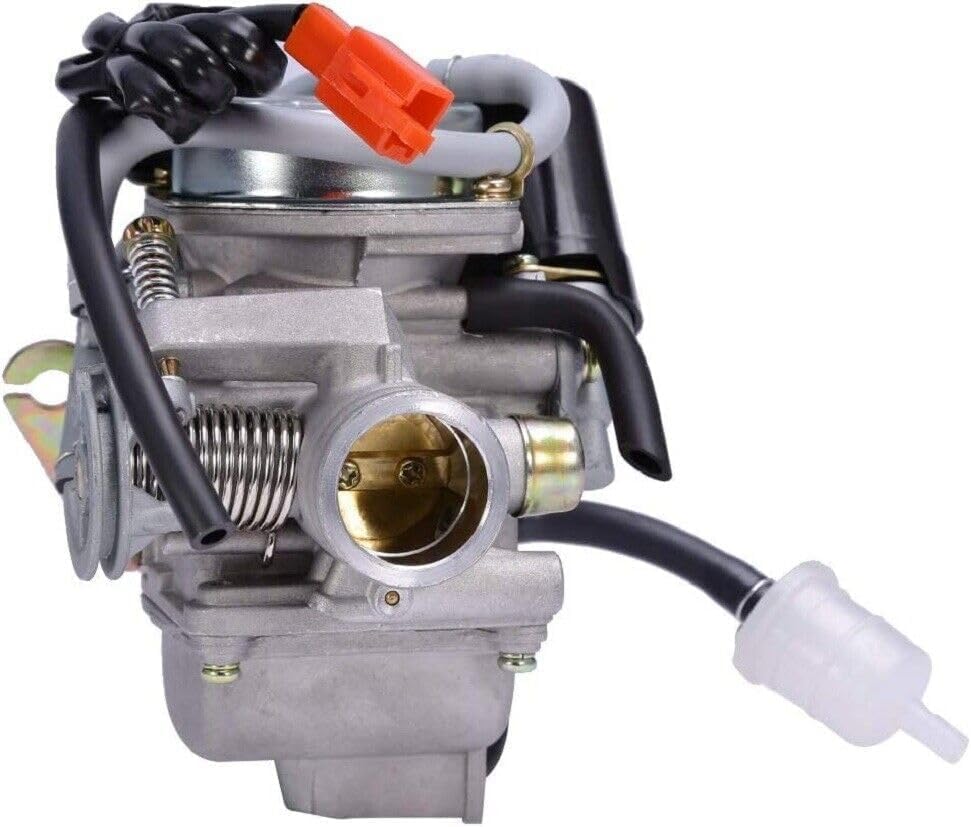
Figure 5.1: Rear-right view of the Generic Carburetor, showing the float bowl and adjustment screws.
6. Nchọpụta nsogbu
If you encounter issues, refer to the following common problems and their potential solutions:
| Nsogbu | Ihe nwere ike ime | Ngwọta |
|---|---|---|
| Igwe agaghị amalite | No fuel, clogged fuel filter, incorrect choke setting, no spark, carburetor jets clogged. | Check fuel level and quality. Replace fuel filter. Adjust choke. Check spark plug. Clean carburetor jets. |
| Engine runs poorly/stalls | Clogged jets, air leaks, incorrect idle mixture, dirty air filter, old fuel. | Clean carburetor jets. Inspect and replace gaskets. Adjust idle mixture screw (refer to Go Kart manual). Clean/replace air filter. Use fresh fuel. |
| Mmiri mmanụ sitere na kaburetor | Loose fuel lines, damaged float bowl gasket, stuck float needle. | Tighten fuel line connections. Replace float bowl gasket. Inspect and clean float needle and seat. |
| Engine idles too high/low | Incorrect idle speed adjustment, air leak. | Adjust the idle speed screw. Check for air leaks around the carburetor and intake manifold. |
If these troubleshooting steps do not resolve the issue, it is recommended to consult a professional mechanic.
7. Nkọwapụta
- Ụdị: DF200GKA
- Akara: N'ozuzu
- ndakọrịta: Dongfang 200CC Go Kart
- UPC: 776728365782
- ASIN: B0FDK28TYN
- Onye nrụpụta: Tamiake
8. Akwụkwọ ikike na nkwado
As an aftermarket custom item, specific warranty details may vary. Please refer to the seller's return policy or contact the seller directly for information regarding warranty coverage, returns, or exchanges.
For technical assistance or further support, it is recommended to contact the seller or a qualified powersports mechanic.
