
1. Ngwaahịa gafereview
The LIBRATON Chainsaw File Set is a comprehensive 9-piece kit designed for precise and efficient chainsaw blade sharpening and correction. Constructed from high-carbon alloy steel with deep quenching for durability, the tools feature an ergonomic TPR rubber-coated handle for comfortable use during extended periods. This professional set includes all necessary tools for maintaining your chainsaw's cutting performance, making it suitable for both home users and professionals.

Figure 1: Complete LIBRATON 9-piece Chainsaw File Tọọ.
2. Components of the 9-piece Set
The LIBRATON Chainsaw File Set includes the following items:
- Gburugburu Files: 4 pieces (2 x 4.0mm diameter, 1 x 4.8mm diameter, 1 x 5.5mm diameter). These are approximately 20cm long (30cm including the handle).
- Dị larịị File: 1 piece, 15cm in length.
- Depth Gauge Joiner: Used for adjusting the depth gauge.
- Sharpening Angle Guide: Assists in maintaining the correct sharpening angle.
- Gauge Checker: For verifying chain pitch and cutter height.
- File Onye njide: For securely holding the files.
- Akpa nchekwa: A portable bag for organizing and carrying all tools.

Figure 2: All components neatly stored in the included bag.

Ọgụgụ 3: Zuru ezu view of the various files included in the set.
3. Nhazi
3.1 Nchekwa nchekwa
Before starting any work, always ensure the chainsaw engine is stopped and the chain brake is engaged. Wear appropriate safety gloves.
3.2 Na-achịkọta File na njide
- Select the appropriate round file for your chainsaw chain.
- Fanye ya file banye na file holder. Ensure it is securely fastened.
- Gbakwunye ya file holder assembly to the chainsaw guide bar. The chain stop on the file holder should engage the rear of the cutter tooth.
- Tighten the locking screws on the file holder to secure it to the guide bar.
- Hazie nke file height so that approximately 1/5 of the file's diameter is above the top plate of the cutter. This can be done using the height adjustment screw on the file njide.

Figure 4: Sharpening angle guide attached to the chainsaw.

Figure 5: Filing guide and depth gauge for precise sharpening.
3.3 Setting the Sharpening Angles
Nke file holder allows for precise adjustment of both vertical and top plate sharpening angles. Refer to your chainsaw's manual for recommended angles (typically 25° or 30° for the top plate angle, and 0° or 10° for the vertical angle).
Video 1: Quick demonstration of setting up the chainsaw sharpening tool and basic filing. This video shows the tool being attached to the chainsaw and a brief overview of the sharpening process.
4. Operating Instructions (Sharpening Process)
- Kwadebe Chainsaw: Ensure the chainsaw is stable and the chain is clean. Disengage the chain brake and allow the chain to move freely.
- Set the Angles: Hazie nke file holder to the desired vertical and top plate sharpening angles as per your chain's specifications.
- Debe ya File: Debe gburugburu file into the gullet of the cutter tooth. The chain stop should rest against the back of the cutter to stabilize it.
- File the Cutter: Apply even pressure and push the file in one direction, from the inside of the cutter towards the outside. Do not file on the return stroke. Repeat 3-5 strokes per tooth, or until the cutting edge is sharp and free of burrs.
- Advance the Chain: After sharpening one cutter, manually advance the chain to the next cutter of the same direction. Sharpen all cutters facing one direction first.
- Sharpen Opposite Direction: Once all cutters facing one direction are sharpened, rotate the file holder or reposition the chainsaw to sharpen the cutters facing the opposite direction. Adjust the file holder's position as needed.
- Check Depth Gauge: Use the depth gauge joiner and flat file to ensure the depth gauge (raker) height is correct. The depth gauge should be slightly lower than the cutting edge. Refer to the gauge checker for proper measurements.
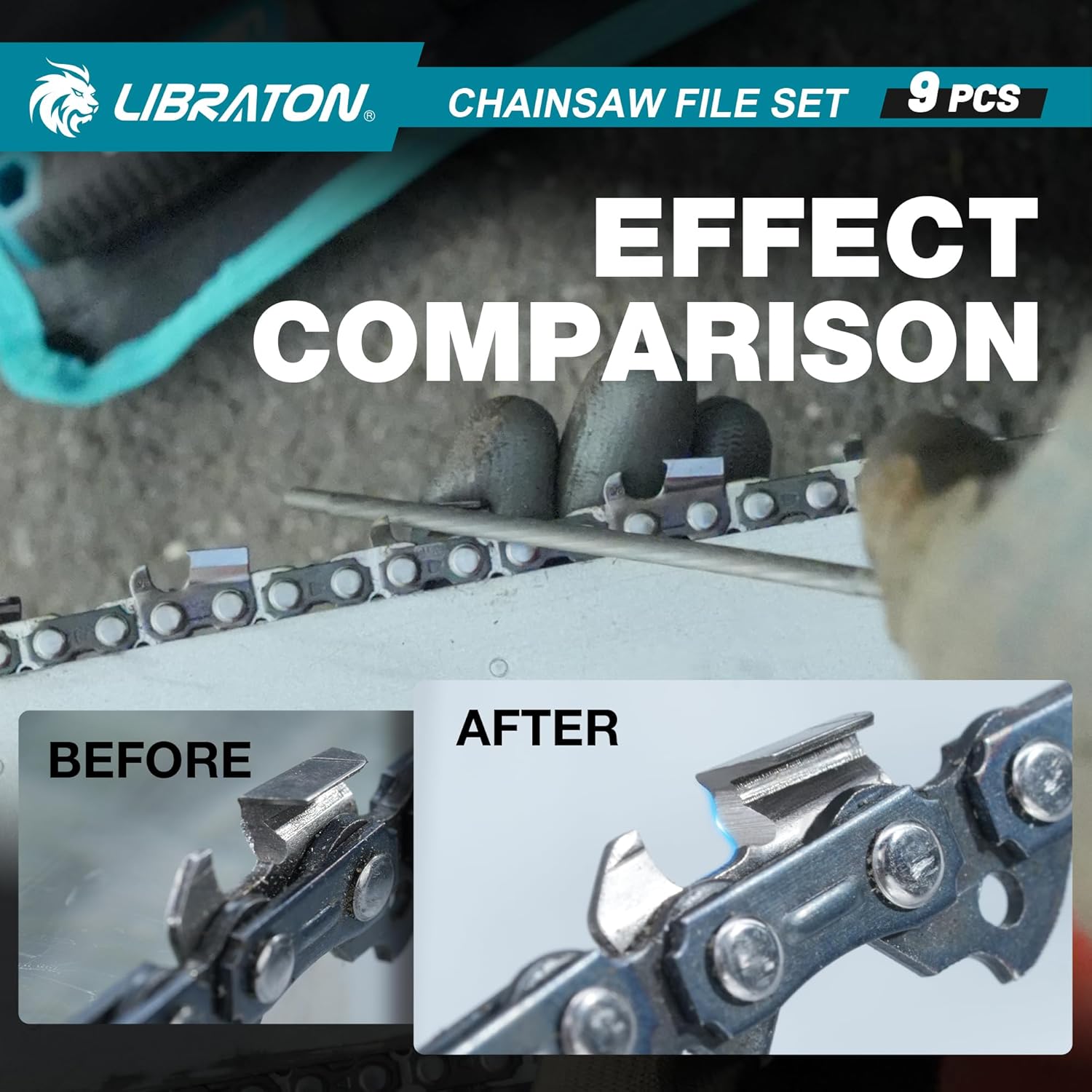
Figure 6: Visual comparison of a dull chainsaw tooth (left) and a properly sharpened tooth (right).

Figure 7: The multi-function gauge tool helps check chain pitch, filing angle, bench wheel thickness, cutter lengths, and depth gauge size.
Video 2: Detailed guide on setting the sharpening angles and proper filing technique. This video demonstrates how to adjust the vertical and top plate angles, and the correct motion for filing.
5. Nlekọta
- Ngwaọrụ Dị Ọcha: After each use, clean all files na nke file holder to remove metal shavings and debris. A wire brush can be used for files.
- Nyochaa maka eyi: Na-enyocha mgbe niile files for wear. Replace files when they become dull or worn to ensure effective sharpening.
- Nchekwa: Store all components in the provided storage bag in a dry place to prevent rust and damage.
- Nlekọta Nlekọta: The TPR rubber-coated handle should be kept clean. Avoid exposing it to harsh chemicals that could degrade the material.
6. Nchọpụta nsogbu
6.1 Chainsaw Cuts Slowly or Inefficiently
If your chainsaw is cutting slowly or not cutting effectively after sharpening, consider the following:
- Incorrect Sharpening Angle: Double-check that both the vertical and top plate angles are set correctly according to your chain's specifications.
- Ụjọ Files: Gbaa mbọ hụ na gị files are not worn out. Dull files will not sharpen effectively.
- Improper Depth Gauge Setting: The depth gauge (raker) might be too high, preventing the cutter from engaging the wood properly. Use the depth gauge joiner and flat file to lower the depth gauge to the correct height. Refer to the gauge checker for precise adjustment.
- Uneven Sharpening: Ensure all cutters are sharpened evenly and to the same length. Inconsistent sharpening can lead to poor cutting performance.
Video 3: Explanation of how the depth gauge affects cutting performance and how to adjust it. This video highlights the importance of the depth gauge for efficient cutting and demonstrates its adjustment.
7. Nkọwapụta
| Njirimara | Nkọwa |
|---|---|
| Ụdị | LIBRATON |
| Aha Nlereanya | 9-piece Set |
| Nọmba akụkụ | 911115 |
| Ibu ngwaahịa | 839 g |
| Akụkụ ngwugwu | 34.8 x 8.2 x 7.7 cm |
| Gburugburu File Dayameta | 4.0mm (x2), 4.8mm (x1), 5.5mm (x1) |
| Dị larịị File Ogologo | 15cm |
| Ejikwa ihe | TPR Rubber Coated PP |
| File Ihe onwunwe | High Carbon Alloy Steel |
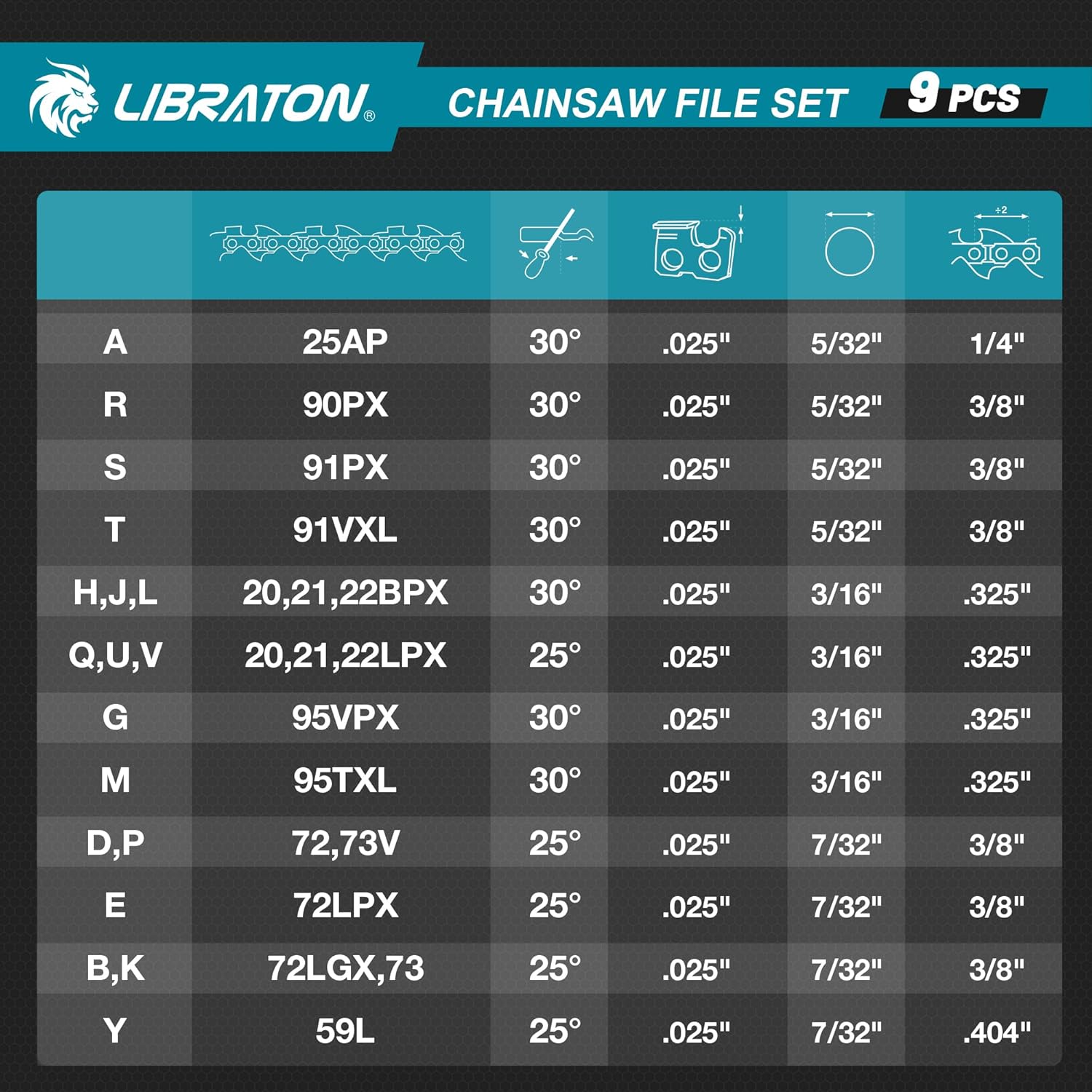
Figure 8: Chain compatibility chart for selecting the correct file size and angle.
8. Akwụkwọ ikike na nkwado
LIBRATON is committed to providing high-quality tools and excellent customer service. If you encounter any issues or have questions regarding your Chainsaw File Set, please do not hesitate to contact our professional after-sales service team. We aim to respond to all inquiries within 24 hours.
Maka nkwado, biko gaa na LIBRATON Store on Amazon or contact us through the platform where you purchased the product.