1. Okwu mmalite
This manual provides essential information for the installation, operation, maintenance, and troubleshooting of your new washer shift actuator. The shift actuator is a critical component in your washing machine, responsible for shifting the transmission between the agitation and spin cycles. Proper installation and understanding of its function are vital for the correct operation of your appliance.
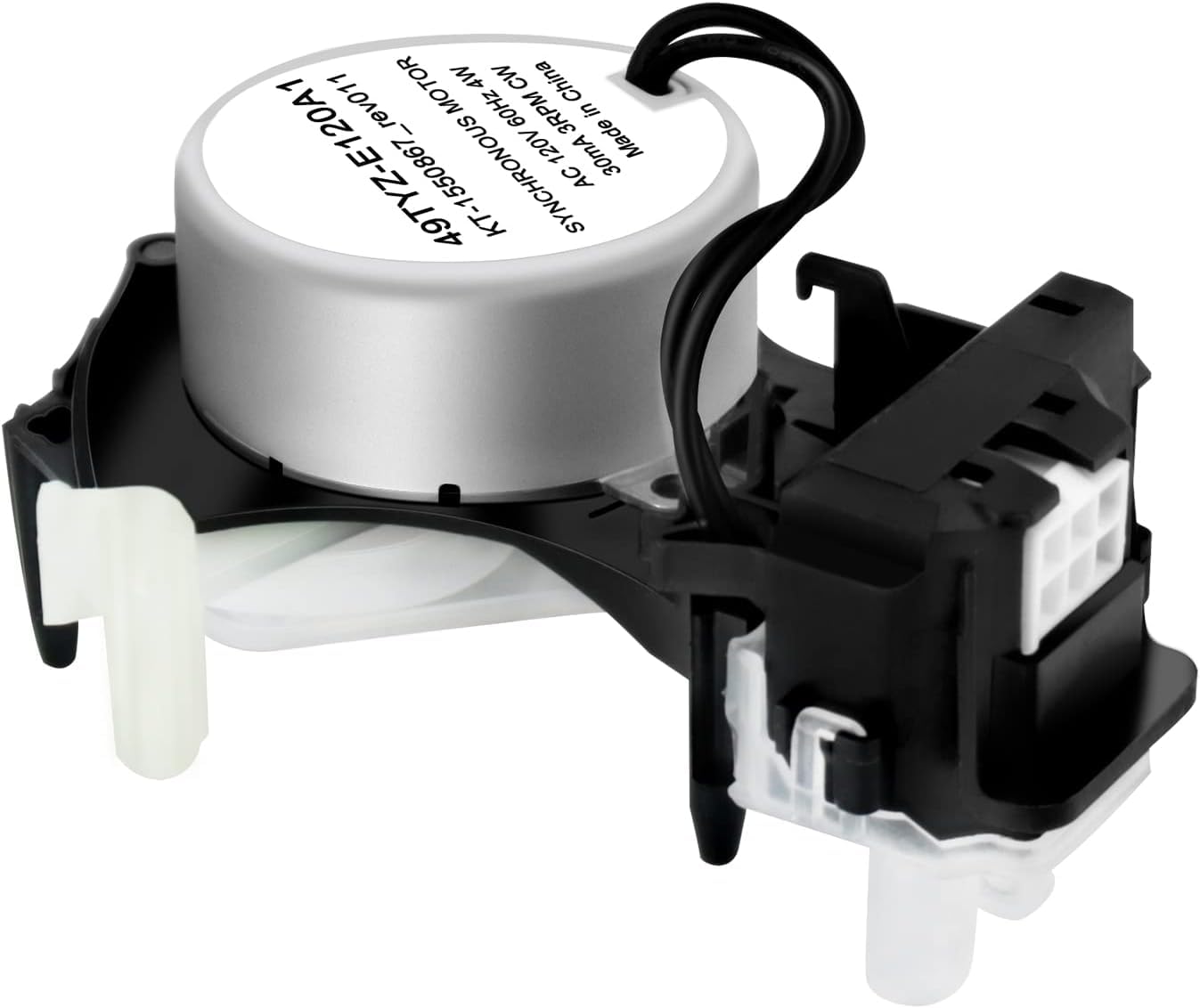
Foto 1: Ofeview of the Generic Washer Shift Actuator.
2. Ndakọrịta
This washer shift actuator is designed as a replacement part for various washing machine models from brands such as Maytag, Whirlpool, and Kenmore. It replaces the following part numbers:
- W10597177
- W10815026
- WPW10597177
- 4455082
- AP6037270
- PS11769864
- EAP 11769864
- KT-155867_rev011
- 50SM21-1-221B
- 49TYZ-E120A1
Ihe dị mkpa: Please verify your washing machine's model number and the existing part number before purchasing and installing to ensure compatibility. This actuator is compatible with models including, but not limited to: 7MMVWC417FW0, 7MMVWC565FW0, MVWC465HW1, MVWC465HW2, MVWC565FW0, MVWX655DW1, NTW4516FW1, NTW4516FW3, NTW4516FW2, WTW4616FW0, WTW4915EW1, 7MWTW4915EW1, 7MWTW9919DM2, WTW4815EW2, WTW4810EW1, WTW4616FW2, 7MWET4027HW0, 7MWGT4027HW0, 7MWTW1604DM2, WET4027HW0, WETLV27HW0, WETLV27HW1, WTW4850HW1, WTW4855HW1, WTW4950HW1, WTW4955HW1, 1CWTW4705GW0, 7MWGT4027HW1, 8TWTW4955JW0, 8TWTW6000JW0, WET4027HW1, WGTLV27HW1, WGTLV27HW2, WTW4616FW1, WTW4655JW1, WTW4816FW1, WTW4850HW2, WTW4855HW2, WTW4950HW2, WTW4955HW2, WTW5000DW2, WTW5000DW3, WTW5005KW0, WTW5100HC0, WTW5100HW0, WTW5105HC0, WTW5105HW0, WTW6120HC0, WTW6120HW0, YWET4027HW0, YWET4027HW1, ITW4771EW0, MVWC416FW0, 11022242511, 11022352511, 11022532512.
3. Ntọala na nwụnye
Replacing a washer shift actuator requires basic mechanical skills. If you are unsure about any step, it is recommended to consult a qualified appliance technician.
Akpachara anya maka nchekwa:
- Always disconnect the washing machine from its power source before attempting any repairs or maintenance.
- Gbanyụọ mmiri ahụ na igwe ịsa ahụ.
- Wear appropriate personal protective equipment, such as gloves.
Usoro ntinye n'ozuzu:
- Access the Actuator: Depending on your washer model, you may need to tilt the washer back, remove the front panel, or access it from the bottom. Refer to your specific washer's service manual for exact access instructions.
- Locate the Old Actuator: The shift actuator is typically located near the transmission or motor assembly.
- Kwụpụ waya: Carefully unplug the electrical connector from the old actuator.
- Remove Old Actuator: Unclip or unscrew the old actuator from its mounting bracket. Note its orientation for correct installation of the new part.
- Install New Actuator: Position the new shift actuator in the same orientation as the old one and secure it with clips or screws.
- Jikọọ Wiring: Plug the electrical connector firmly into the new actuator.
- Ịkwakọba igwe ịsa ákwà ọzọ: Tinyeghachi panel ma ọ bụ ihe ọ bụla ewepụrụ.
- Ọrụ nnwale: Restore power and water supply. Run a short test cycle to ensure the washer agitates and spins correctly.
4. Ụkpụrụ ọrụ
The washer shift actuator is an electromechanical device that controls the engagement of the washplate (for agitation) and the spin basket (for spinning). During a wash cycle, the actuator receives electrical signals from the washer's control board. It then moves a cam or lever to engage the appropriate mechanism within the transmission, allowing the washer to perform agitation or spin functions. When the actuator fails, the washer may not agitate, spin, or may produce unusual noises during these cycles.
5. Nlekọta
The shift actuator is generally a sealed unit and does not require routine maintenance. However, to prolong the life of your appliance and its components:
- Ensure the washing machine is level to prevent excessive vibration, which can stress internal components.
- Avoid overloading the washer, as this can put undue strain on the motor and transmission, indirectly affecting the actuator.
- Periodically inspect the area around the actuator for any signs of wear, loose wiring, or debris accumulation.
6. Nchọpụta nsogbu
If your washing machine is experiencing issues related to agitation or spinning, the shift actuator might be a culprit. Here are common symptoms of a faulty actuator:
- Washer does not agitate: The washplate does not move during the wash cycle.
- Washer does not spin: The spin basket does not rotate or rotates slowly during the spin cycle.
- Loud grinding or clicking noises: Unusual sounds coming from the bottom of the washer during agitation or spin.
- Koodu mperi: Some modern washers may display specific error codes related to the shift actuator or transmission. Consult your washer's user manual for error code definitions.
- Washer fills but does nothing: The washer may fill with water but then fail to start the wash cycle.
Before replacing the actuator, ensure that other components like the motor, capacitor, or control board are functioning correctly, as their failure can mimic actuator issues.
7. Nkọwapụta
| Ọnụọgụ akụkụ | W10597177, W10815026, WPW10597177, 4455082, AP6037270, PS11769864, EAP11769864, KT-155867_rev011, 50SM21-1-221B, 49TYZ-E120A1 |
| Nọmba ihe nlereanya ihe | NTW4516FW3, NTW4516FW2 |
| Onye nrụpụta | N'ozuzu |
| Akụkụ ngwaahịa | Approximately 1 x 1 x 1 inches (Refer to image for detailed measurements) |
| Ntụle eletrik | 120V, 60Hz |

Image 2: Detailed dimensions of the shift actuator.

Image 3: Electrical specifications (120 Volts, 60 Hz) of the shift actuator.
8. Akwụkwọ ikike
This product is supported by a Nkwa ụbọchị iri isii from the date of purchase. This warranty covers defects in material and workmanship under normal use. If you encounter any issues with the W10597177 washer shift actuator during this period, please contact customer service for assistance. We are committed to ensuring your satisfaction.
9. Nkwado
For further assistance, technical questions, or warranty claims, please contact the seller or a qualified appliance repair professional. When contacting support, please have your product's purchase information and, if possible, your washing machine's model number readily available.

