
Okwu mmalite
This manual provides essential information for the safe and effective use of your KORG miniKORG 700Sm Analog Synthesizer. Please read this manual thoroughly before using the instrument to ensure proper operation and to prevent damage. Keep this manual in a safe place for future reference.
Melite
Iwepu ngwongwo
Carefully remove the miniKORG 700Sm from its packaging. Ensure all components are present: the synthesizer unit, AC adapter, and this user manual. Inspect the unit for any signs of damage that may have occurred during shipping.

Foto 1: N'ihu view of the KORG miniKORG 700Sm Analog Synthesizer.
Njikọ Ike
- Ensure the synthesizer's power switch is in the OFF position.
- Connect the supplied AC adapter to the DC 12V input jack on the rear panel of the miniKORG 700Sm.
- Tinye ihe nkwụnye AC n'ime oghere eletrik ọkọlọtọ.

Figure 2: Rear panel connections including DC 12V input, USB, MIDI IN, and audio outputs.
Njikọ ọdịyo
- Mpụta: Connect the L/MONO and R audio output jacks to your amplifier, mixer, or audio interface using standard 1/4-inch TS cables.
- Igwe ekweisi: Connect stereo headphones to the PHONES jack for private monitoring.
- Audio Na: External audio sources can be connected to the AUDIO IN jacks for processing through the miniKORG 700Sm's filters and effects.
Njikọ USB na MIDI
- USB: Connect the USB port to your computer for MIDI communication. This allows the miniKORG 700Sm to send and receive MIDI data.
- MIDI N'ime: Use the MIDI IN port to connect external MIDI devices for controlling the synthesizer.
Ntuziaka ọrụ
Ịgbanyụ/ Gbanyụọ
To power on the unit, flip the power switch located on the rear panel to the ON position. To power off, flip the switch to the OFF position. Always ensure volume is low before powering on or off to prevent sudden loud noises.
Basic Sound Generation
The miniKORG 700Sm is an analog synthesizer. Sound is generated by oscillators and shaped by filters and other modulation sources.

Ọgụgụ 3: Zuru ezu view of the control panel, highlighting sliders and knobs for sound shaping.
Njikwa na Atụmatụ Isi
- 37-key Keyboard: Provides a 7-octave range for musical expression.
- Oscillators: Adjust parameters like pitch and waveform to create the fundamental sound.
- Low/Highpass Filters: Shape the tonal characteristics by cutting off high or low frequencies. Experiment with the cutoff and resonance controls.
- Modulators: Use Modulator 1, 2, and 3 to add movement and expression to your sound.
- Mmetụta: Engage onboard effects to enhance your sound.
- Onye nrụpụta: Activate the arpeggiator to automatically play sequences of notes based on the keys held down. Adjust speed and pattern.

Figure 4: Close-up of the pitch bend and modulator controls for expressive playing.
Saving and Loading Sounds
Refer to the dedicated section in the full manual for detailed instructions on how to save and recall your custom sound programs.
Nlekọta
Nhicha
Jiri ákwà dị nro ma kpọọ nkụ hichaa mpụta nke ngwaọrụ ahụ. Maka unyi siri ike, jiri obere d hichaa ya.amp cloth and then wipe dry. Do not use abrasive cleaners, waxes, or solvents, as these can damage the finish.
Nchekwa
When not in use for extended periods, store the miniKORG 700Sm in a cool, dry place, away from direct sunlight and extreme temperatures. Consider using a protective case to prevent dust accumulation and physical damage.
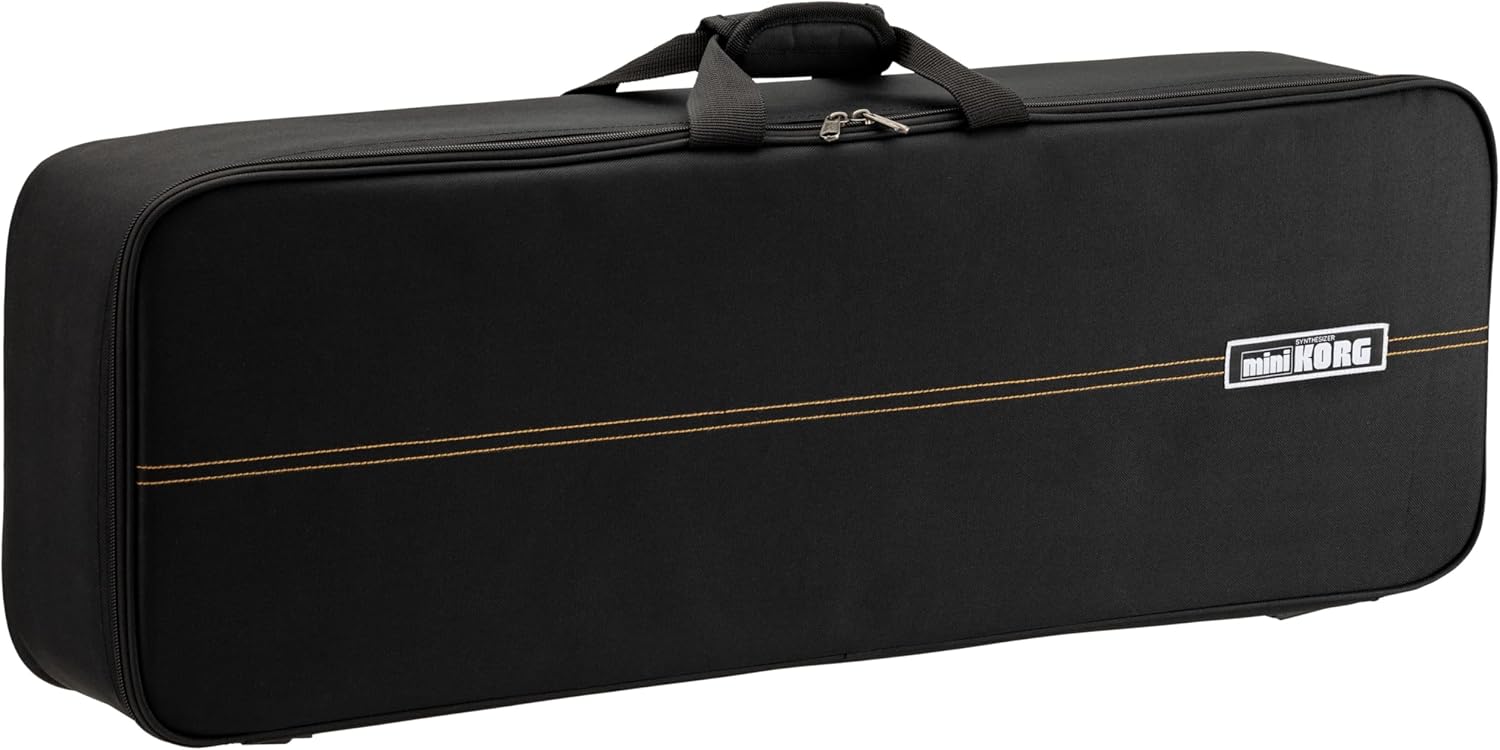
Figure 5: The miniKORG 700Sm fits securely in its protective soft case for storage and transport.
Nchọpụta nsogbu
Enweghị mpụta ụda
- Lelee ma ọ bụrụ na njikọ ike ahụ dị n'udo ma gbanye ya na ngwaọrụ ahụ.
- Verify that the volume knob is turned up.
- Ensure audio cables are correctly connected to the output jacks and to your ampigwe ihe / igwekota.
- Check the volume and input selection on your ampigwe ihe / igwekota.
- If using headphones, ensure they are fully plugged in and functioning.
MIDI Anaghị aza
- Confirm USB or MIDI cables are properly connected.
- Check MIDI settings on both the miniKORG 700Sm and your computer/external device.
- Ensure correct MIDI channels are selected.
- Install any necessary USB drivers for your operating system (if applicable).
Omume a na-atụghị anya ya
- Try powering the unit off and then on again.
- Ensure no liquids or foreign objects have entered the unit.
- If issues persist, consult the KORG support websaịtị ma ọ bụ kpọtụrụ ndị ahịa.
Nkọwapụta
| Aha Nlereanya | miniKORG 700Sm |
| Nọmba nlereanya | MINKORG700SM |
| Ụdị | KORG |
| Onye nrụpụta | Korg |
| Akụkụ (L x W x H) | 32.4 x 15.2 x 9.3 sentimita asatọ |
| Ibu | 19.9 pound |
| Akụrụngwa ahụ | Plastic |
| Agba | metallic silver or black |
| Ụdị njikọ | USB |
| Atụmatụ igodo | 37-key Analog Synthesizer, 7-octave Range, Low/Highpass Filters, USB Connectivity, Onboard Effects, Arpeggiator |
Ozi akwụkwọ ikike
The KORG miniKORG 700Sm Analog Synthesizer comes with a 2-afọ akwụkwọ ikike. This warranty covers defects in materials and workmanship under normal use. For specific terms, conditions, and to register your product, please refer to the official KORG website or the warranty card included with your purchase.
Biko dowe ihe akaebe nke ịzụrụ ihe maka akwụkwọ ikike.
Nkwado ndị ahịa
For further assistance, technical support, or to download the full detailed manual, please visit the official KORG websaịtị: www.korg.com.
You may also find helpful resources and FAQs on the KORG support pages.