
1. Ngwaahịa gafereview
This manual provides instructions for the installation and use of the SDYYDS 68064995AA Coolant Temperature Sensor Connector. This connector is designed as a replacement wiring harness for various Chrysler and Dodge vehicles, ensuring proper connection to the coolant temperature sensor.
1.1. Gịnị gụnyere
- 1 Pc Connector - Coolant Temp Sensor wiring harness
- 2 Pcs Terminals

Image 1.1: The SDYYDS 68064995AA Coolant Temperature Sensor Connector, including the wiring harness and two terminals.
2. Nkọwapụta
| Nọmba akụkụ | 68064995AA, PT2427, 1P2227, S2442 |
| Nọmba nlereanya | SD55-505 |
| Ogologo njigide | 7.87 sentimita asatọ na ọkara (ihe dị ka 20 cm) |
| Nha Njikọ | Ihe dịka 3.6 x 2.0 x 2.0 cm |
| Ihe onwunwe | Silicon, Copper, Plastic (Tinned Copper Wires) |
| Nleba okpomọkụ | 125 Ogo Celsius |
| Izizi nha nha | ±1.5°C (for sensor, not connector itself) |

Image 2.1: Visual representation of the connector's wire length and overall dimensions.

Image 2.2: Detail of the tinned copper wiring, highlighting resistance to humidity and high temperatures.
3. Ndakọrịta
This connector is compatible with the following vehicle models. Please verify your vehicle's specific requirements and existing part numbers before installation.
3.1. Chrysler Models
- Chrysler 200 (2011-2017)
- Chrysler 300 (2008-2023)
- Chrysler Aspen
- Chrysler Grand Caravan
- Chrysler Pacifica
- Chrysler Sebring
- Obodo Chrysler & Obodo
3.2. Dodge Models
- Dodge ọbọ
- Dodge Challenger (2008-2023)
- Dodge Charger (2008-2023)
- Dodge Dakota
- Dodge Dart
- Dodge Durango
- Dodge Grand Caravan
- Dodge Journey (2009-2019)
- Dodge Nitro
- Dodge Ram 1500, 2500, 3500
3.3. Jeep and Ram Models
- Jeep Cherokee
- Onye ọchịagha Jeep
- Jeep kompas
- Jeep Grand Cherokee L
- Jeep Grand Wagoneer
- Jeep nnwere onwe
- Jeep Renegade
- Jeep Wagoneer
- Jeep Wrangler
- Ram 1500, 1500 Classic, 2500, 3500, 4500, 5500
- Ram C/V
- Ram Dakota
- Ram ProMaster 1500, 2500, 3500
4. Ntọala na nwụnye
Ịdọ aka ná ntị nchekwa:
Always disconnect the vehicle's battery before performing any electrical work. Ensure the engine is cool to avoid burns from hot coolant or engine components. If you are unsure about any step, consult a qualified automotive technician.
4.1. Ngwa achọrọ
- Ndị na-ewepụ waya/crimpers
- Heat gun (for heat shrink terminals, if used)
- Multimeter (maka nnwale, nhọrọ mana akwadoro)
- Basic hand tools (e.g., screwdriver, wrench, depending on sensor access)
4.2. Nzọụkwụ Nwụnye
- Chọta ihe mmetụta: Identify the coolant temperature sensor on your vehicle. Its location can vary by make and model, often found near the thermostat housing or on the engine block.
- Kwupu batrị: Disconnect the negative terminal of your vehicle's battery to prevent electrical shorts.
- Access Old Connector: Carefully disconnect the old coolant temperature sensor connector. Inspect the existing wiring for any damage.
- Kwadebe wires: If replacing the connector, cut the old connector off, leaving enough wire length to work with. Strip approximately 1/4 to 1/2 inch of insulation from the ends of the vehicle's wires and the new connector's wires.
- Connect New Harness:
- Match the wire colors of the new connector to the vehicle's existing wiring. While standard colors exist, always verify with a wiring diagram for your specific vehicle if available.
- Use the provided terminals (or appropriate connectors) to securely join the wires. Crimp the terminals firmly onto the stripped wire ends.
- For a robust connection, consider soldering the wires and then using heat-shrink tubing over the connections to protect them from moisture and corrosion.
- Njikọ echekwara Ensure all connections are tight and insulated. Avoid any exposed wire.
- Connect to Sensor: Plug the new connector securely onto the coolant temperature sensor.
- Jikọọ batrị: Jikọgharịa ọnụ na-adịghị mma nke batrị ụgbọ ala.
- Sistemụ nnwale: Start the vehicle and monitor the coolant temperature gauge or diagnostic system to ensure the sensor is functioning correctly and no warning lights appear.

Foto 4.1: N'azụ view of the connector, illustrating the secure entry points for the blue and yellow wires.
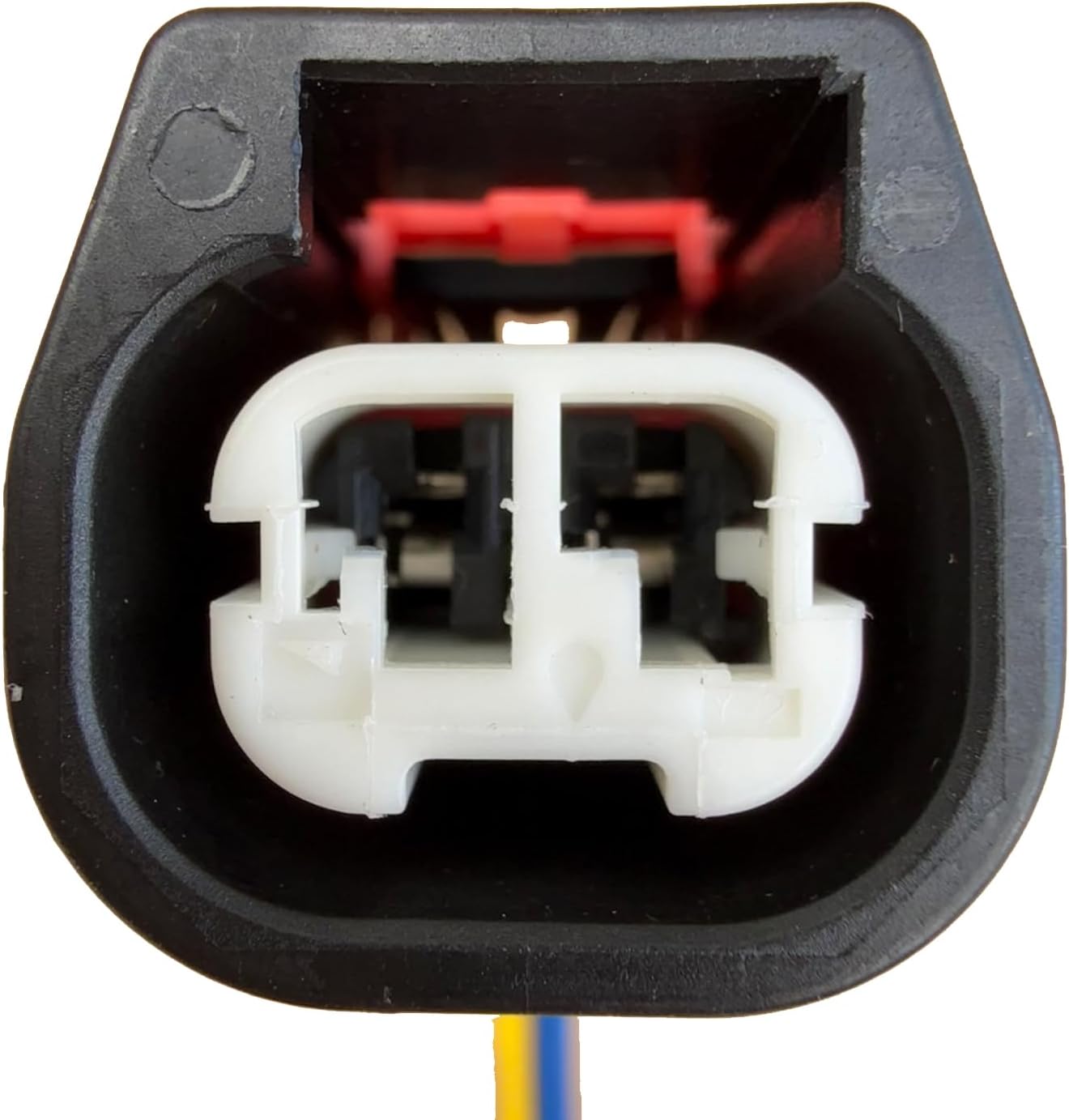
Foto 4.2: N'ihu view of the connector, showing the internal terminal slots designed for a secure fit with the sensor.
5. Na-arụ ọrụ (Nleba anya nwụnye)
Once the connector is installed, its "operation" is passive, facilitating the electrical signal from the coolant temperature sensor to the vehicle's engine control unit (ECU). Proper function is indicated by accurate temperature readings and the absence of diagnostic trouble codes (DTCs) related to the coolant temperature sensor.
5.1. Verification Steps
- Mmalite igwe: After installation, start the vehicle's engine.
- Nlele okpomọkụ: Observe the vehicle's coolant temperature gauge on the dashboard. It should rise steadily as the engine warms up.
- Diagnostic Scan (Recommended): Use an OBD-II scanner to check for any pending or active DTCs. A properly functioning sensor and connector will not trigger codes like P0117 (Engine Coolant Temperature Sensor Circuit Low Input) or P0118 (Engine Coolant Temperature Sensor Circuit High Input).
- Leak Lelee: Visually inspect the area around the coolant temperature sensor for any coolant leaks, especially if the sensor itself was removed or disturbed during the process.
6. Nlekọta
The SDYYDS coolant temperature sensor connector is designed for durability and requires minimal maintenance once properly installed. However, periodic inspection can help ensure its longevity and reliable performance.
6.1. Inspection Guidelines
- Nlele anya: During routine vehicle maintenance (e.g., oil changes), visually inspect the connector and its wiring for any signs of wear, fraying, cracks, or corrosion.
- Nchekwa njikọ: Gently check if the connector is still firmly seated on the sensor.
- Mkpughe gburugburu: Ensure the wiring and connector are not exposed to excessive heat, sharp edges, or areas where they could be damaged by moving engine components.
- Ịdị ọcha: Keep the connector free from excessive dirt, oil, or coolant residue. A clean, dry cloth can be used for cleaning.
7. Nchọpụta nsogbu
If you experience issues after installing the coolant temperature sensor connector, consider the following troubleshooting steps:
7.1. Okwu nkịtị na Ngwọta
- Incorrect Temperature Readings or No Reading:
- Lelee njikọ: Ensure the connector is fully seated on the sensor and all wire connections are secure and properly crimped/soldered.
- Polarity waya: Verify that the wires are connected with the correct polarity (if applicable, consult vehicle wiring diagram).
- Mmejọ sensọ: The issue might be with the coolant temperature sensor itself, not the connector. Test the sensor if possible.
- ECU/Wiring Harness Issue: Inspect the vehicle's main wiring harness for damage further upstream.
- Check Engine Light (CEL) or Diagnostic Trouble Codes (DTCs):
- Nyochaa koodu: Use an OBD-II scanner to retrieve specific DTCs. Common codes related to the coolant temperature sensor include P0117, P0118, P0116 (Engine Coolant Temperature Circuit Range/Performance).
- Nyochaa waya: Ensure there are no shorts or open circuits in the new connector's wiring or its connection to the vehicle's harness.
- Kpochapụ Koodu: After addressing any issues, clear the DTCs and re-test the vehicle.
- Loose or Intermittent Connection:
- Re-crimp/Re-solder: If connections feel loose, re-crimp or re-solder them to ensure a solid electrical contact.
- Inspect Terminals: Check the terminals inside the connector for bending or corrosion.
Always refer to your vehicle's service manual for specific diagnostic procedures and wiring diagrams.
8. Akwụkwọ ikike na nkwado
For warranty information or technical support regarding your SDYYDS 68064995AA Coolant Temperature Sensor Connector, please contact the manufacturer directly. Details can typically be found on the product packaging or the official SDYYDS websaịtị.
When contacting support, please have your product model number (SD55-505) and purchase information readily available.