
1. Okwu mmalite
The Linsoul Kiwi Ears Aether In-Ear Monitors (IEMs) are engineered for high-fidelity audio reproduction, catering to professional musicians, audiophiles, and gamers. These IEMs feature a large 15.3mm planar magnetic driver designed to deliver exceptional sound quality with a wide soundstage and precise imaging.
The Aether's design focuses on tonal integrity, providing a natural and accurate sound profile. Its robust construction and detachable cable system ensure durability and customization options for an enhanced listening experience.
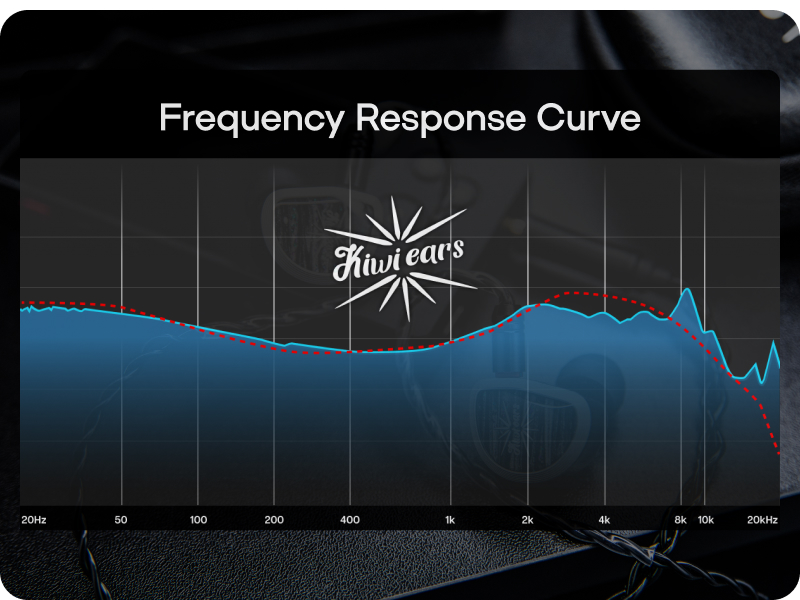
Image 1: Linsoul Kiwi Ears Aether In-Ear Monitors.
2. Kedu ihe dị na Igbe ahụ
Your Kiwi Ears Aether package includes the following items:
- Kiwi Ears Aether IEMs (1 pair)
- Detachable 2-pin 0.78mm Cable
- Assorted Silicone Eartips (multiple sizes)
- Akpa na-ebu nchekwa
- Akwụkwọ ntuziaka onye ọrụ

Image 2: Package contents of the Kiwi Ears Aether IEMs.
3. Ntuziaka Nhazi
3.1. Ịtinye eriri ahụ
- Identify the left (L) and right (R) IEM units and cable connectors. The cable connectors are typically marked.
- Align the 2-pin connector on the cable with the corresponding receptacle on the IEM unit. Ensure the pins are correctly oriented.
- Gently push the connector straight into the IEM until it is securely seated. Do not force the connection.
- Repeat for the other IEM unit.

Image 3: Detachable 2-pin cable and 3.5mm jack.
3.2. Selecting and Installing Eartips
Nhọrọ ntị nke ọma dị oke mkpa maka ịdị mma na nkasi obi. Nwalee ntị ntị silicone dị na ya iji chọta nke kacha dabara na ntị gị.
- Choose an eartip size that creates a good seal in your ear canal without causing discomfort. A good seal is essential for optimal bass response and passive noise isolation.
- Gently push the chosen eartip onto the nozzle of the IEM until it is firmly attached.
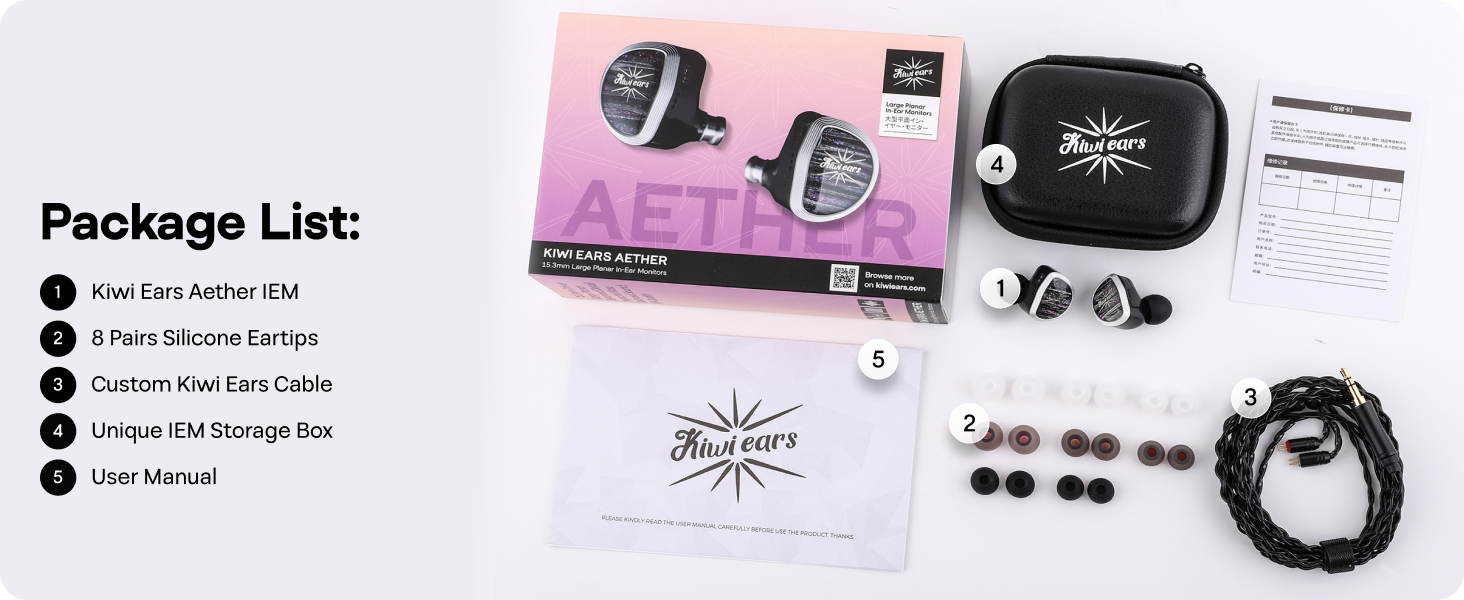
Image 4: Assorted silicone eartips for optimal fit.
3.3. Iyi IEM ndị ahụ
- Insert the IEMs into your ear canals, ensuring a snug and comfortable fit. The cable is designed to be worn over the ear for stability and reduced microphonics.
- Adjust the cable around your ear for a secure fit.
4. Ntuziaka ọrụ
4.1. Connecting to an Audio Source
Connect the 3.5mm jack of the IEM cable to the headphone output of your audio device (e.g., smartphone, digital audio player, computer, gaming console).

Image 5: Kiwi Ears Aether adapting to multiple devices.
4.2. Njikwa olu
Adjust the volume directly from your connected audio source. Start with a low volume and gradually increase it to a comfortable listening level to prevent hearing damage.
4.3. Optimal Listening Experience
The Kiwi Ears Aether IEMs are designed to provide a detailed and immersive sound experience across various applications, including music listening, gaming, and professional monitoring.
Vidiyo 1: Agafeeview of the Kiwi Ears Aether In-Ear Monitor, showcasing nhazi na atụmatụ ya.
Video 2: Detailed look at the 15.3mm large planar driver and its sound characteristics.
Video 3: Showcase of the Linsoul Kiwi Ears Aether's balanced tonality and precision.
5. Nlekọta
5.1. Cleaning the IEMs and Eartips
- Regularly clean the eartips with a soft, damp cloth. For deeper cleaning, remove the eartips and wash them with mild soap and water, then rinse thoroughly and allow them to dry completely before reattaching.
- Wipe the body of the IEMs with a dry, soft cloth to remove any dust or debris. Avoid using harsh chemicals or abrasive materials.
- Use a small brush or cleaning tool to gently clear any earwax or debris from the nozzle mesh.
5.2. Nlekọta eriri
- Avoid sharp bends or excessive pulling on the cable, especially near the connectors.
- When storing, coil the cable loosely to prevent tangling and damage.
5.3. Nchekwa
When not in use, store your Kiwi Ears Aether IEMs in the provided protective carrying case to prevent damage from impacts, dust, and moisture.
6. Nchọpụta nsogbu
| Nsogbu | Ihe nwere ike ime | Ngwọta |
|---|---|---|
| Enweghị ụda ma ọ bụ ụda na-adịte aka | Loose cable connection, incorrect audio source selection, low volume on device. | Ensure cable connectors are fully seated. Check audio source output and volume settings. Test with another audio device. |
| Poor sound quality (e.g., lack of bass, tinny sound) | Improper eartip fit, earwax blockage, damaged cable. | Try different eartip sizes to achieve a proper seal. Clean IEM nozzles. Inspect cable for damage; replace if necessary. |
| IEMs fall out easily or are uncomfortable | Incorrect eartip size, improper wearing technique. | Experiment with different eartip sizes. Ensure IEMs are inserted correctly with the cable worn over the ear. |
7. Nkọwapụta
| Njirimara | Nkọwa |
|---|---|
| Ụdị ọkwọ ụgbọala | 15.3mm Planar Magnetik ọkwọ ụgbọ ala |
| Mgbochi | 14 ohms |
| Mmetụta | 105 dB |
| Oke ugboro ugboro | 20Hz-20KHz |
| Njikọta | Wired (0.78mm 2-pin detachable cable) |
| Ntinye ntị | Na Ntị |
| Njikwa mkpọtụ | Nkagbu mkpọtụ mkpọtụ |
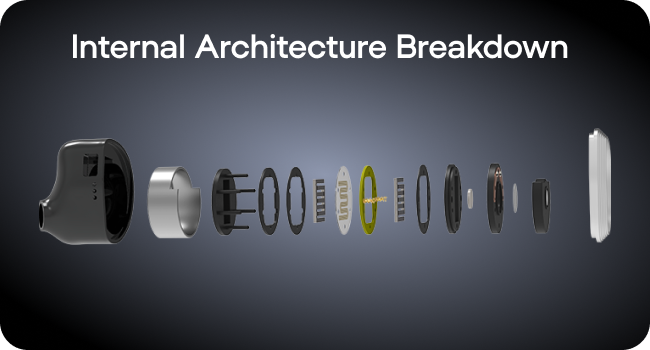
Image 6: Frequency Response Curve.
8. Akwụkwọ ikike na nkwado
8.1. Akwụkwọ ikike Ozi
The Linsoul Kiwi Ears Aether In-Ear Monitors come with a 1-year limited warranty from the date of purchase. This warranty covers manufacturing defects. Please retain your proof of purchase for warranty claims.
8.2. Nkwado ndị ahịa
For technical assistance, warranty claims, or general inquiries, please contact Linsoul customer support through their official websaịtị ma ọ bụ ụlọ ahịa ebe ịzụrụ ngwaahịa ahụ.