
1. Okwu mmalite
The Canyon DVR40 is a dash camera designed to record driving footage. It features a Sony Starvis 415 sensor for 4K video recording, a 140° wide field of view, and a 3-inch IPS capacitive touchscreen. The device includes a supercapacitor for reliable operation and supports Wi-Fi connectivity for control via a mobile application.

Foto 1.1: N'ihu view of the Canyon DVR40 Dash Camera, showing the lens and branding.
2. Ihe ngwugwu
Verify that all items listed below are present in the product packaging.

Image 2.1: All items included in the Canyon DVR40 Dash Camera package.
- Canyon DVR40 Dash Camera
- Ntuziaka mmalite ngwa ngwa
- Akwụkwọ ikike kaadị
- Accessories for Cable Installation
- Onye na-agụ kaadị
- Magnetic suction cup holder with a USB Type-C connector
- Car power adapter (2 output connectors USB Type-A)
- Cable USB Type-C (cable length 3.6 m)
- CPL nzacha
- Cloth for screen cleaning
- Akpa akwa
3. Ngwaahịa gafereview
Familiarize yourself with the main components of the DVR40 dash camera.

Image 3.1: The Canyon DVR40 Dash Camera, highlighting its compact design.
Akụkụ ndị bụ isi:
- 4K UltraHD Recording: Captures video at 30 frames per second for clear footage.
- Sony Starvis 415 Sensor: Enhances low-light performance with night vision mode.
- 140° Ubi nke View: Provides wide coverage of the road.
- 3-inch IPS Capacitive Touchscreen: For direct control and playback.
- Nnukwu ike: Offers improved durability and temperature resistance compared to traditional batteries.
- Ugwu magnetik: Facilitates easy installation and removal with integrated power supply.
- Njikọ Wi-Fi: Allows control and footage management via the Canyon Eye mobile application.
- G-ihe mmetụta: Automatically detects impacts and locks video files to prevent overwriting.
4. Nhazi
4.1 Ịwụnye Igwefoto Dash
The DVR40 uses a magnetic mount for secure attachment to your vehicle's windshield.
- Clean the area on your windshield where you intend to mount the camera.
- Attach the magnetic suction cup holder to the windshield. Ensure it is positioned to provide an unobstructed view nke okporo ụzọ.
- Connect the USB Type-C power cable to the magnetic mount.
- Align the dash camera with the magnetic mount. The camera will snap into place, establishing the power connection.

Image 4.1: The magnetic mount with integrated power supply for easy installation.
4.2 Njikọ ike
Use the provided car power adapter and USB Type-C cable to power the dash camera.
- Plug the car power adapter into your vehicle's 12V power outlet (cigarette lighter socket).
- Connect the USB Type-C cable from the car power adapter to the magnetic mount.
- Once the vehicle's ignition is turned on, the dash camera will automatically power on and begin recording.
4.3 Initial Setup and MicroSD Card
Before first use, insert a compatible MicroSD card (not included) and format it.
- Insert a high-speed MicroSD card (Class 10 or higher, up to 128GB recommended) into the designated slot on the dash camera.
- Ike na igwefoto.
- Access the camera's settings via the touchscreen or the mobile app.
- Locate the "Format SD Card" option and confirm to format the card. This prepares the card for recording and ensures optimal performance.
5. Ntuziaka ọrụ
5.1 Ndekọ ndabere
The DVR40 automatically begins loop recording when powered on.
- Ndekọ loop: The camera records video in segments (e.g., 1, 3, or 5 minutes). When the MicroSD card is full, the oldest unprotected filea na-edegharị s.
- Ndekọ akwụkwọ ntuziaka: Press the record button on the camera (if available) or use the mobile app to manually start/stop recording.
- Ogo vidiyo: The camera records in 4K UltraHD at 30 frames per second.

Image 5.1: Visual representation of the DVR40's high-quality video capabilities.
5.2 G-Sensor for Accident Recording
The built-in G-Sensor detects sudden impacts or rapid acceleration/deceleration.
- When an event is detected, the current video segment is automatically locked and saved to a protected folder on the MicroSD card.
- These protected fileagaghị edekọ s site na ndekọ loop.
- Adjust the G-Sensor sensitivity in the camera settings if needed.

Image 5.2: Illustration of the G-Sensor's function in accident recording.
5.3 Ngosipụta ihuenyo mmetụ
The 3-inch IPS capacitive touchscreen allows for direct interaction with the camera.
- Navigate menus, adjust settings, and review edekọ footage ozugbo na ngwaọrụ.
- The IPS display offers wide viewing angles and clear visibility.

Image 5.3: The touch screen display in use on the DVR40.
5.4 Wi-Fi and Mobile Application Control
Connect the DVR40 to your smartphone via Wi-Fi using the Canyon Eye mobile application.
- Download the "Canyon Eye" application from your smartphone's app store.
- Enable Wi-Fi on the DVR40 through its settings menu.
- On your smartphone, connect to the DVR40's Wi-Fi network (SSID and password will be displayed on the camera screen).
- Open the Canyon Eye app. You can now view ndu footage, access recorded videos, change settings, and download files ozugbo na ekwentị gị.
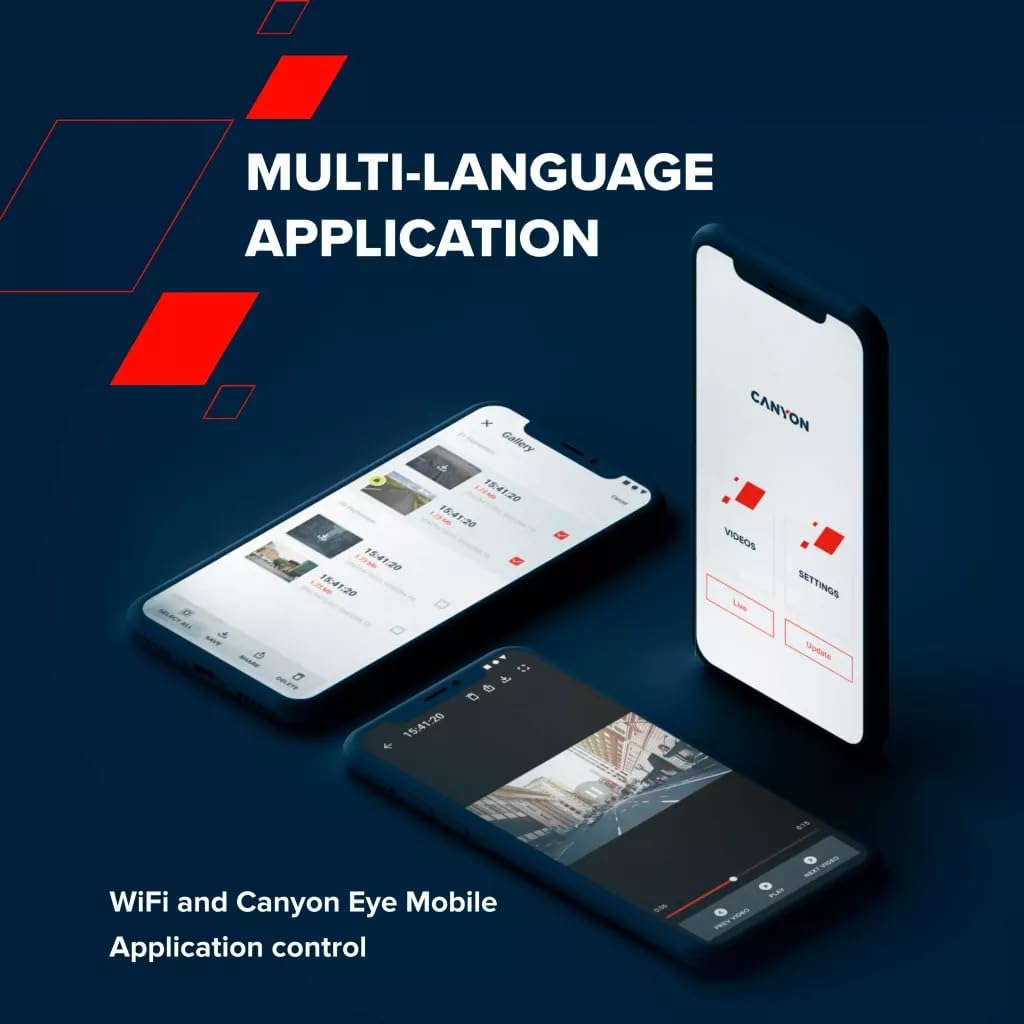
Image 5.4: The Canyon Eye mobile application interface for remote control and file njikwa.
6. Nlekọta
6.1 Supercapacitor
The DVR40 is equipped with a supercapacitor instead of a traditional lithium-ion battery.
- Supercapacitors offer enhanced durability and a wider operating temperature range (-30°C to 80°C).
- They are less prone to overheating and have a longer lifespan, making them suitable for automotive environments.
- The supercapacitor provides enough power to safely save the last recording when external power is disconnected.

Image 6.1: The DVR40's supercapacitor ensures reliable operation across a wide temperature range.
6.2 Nhicha na Nchekwa
- Use the provided cleaning cloth to gently wipe the screen and lens. Avoid abrasive materials or chemical cleaners.
- Ensure the camera is clean and dry before storing it.
- When not in use for extended periods, store the camera in a cool, dry place, away from direct sunlight.
7. Nchọpụta nsogbu
Rụtụ aka na tebụl dị n'okpuru maka okwu nkịtị na azịza ha.
| Nsogbu | Ihe nwere ike ime | Ngwọta |
|---|---|---|
| Igwefoto anaghị agba ọkụ. | No power supply; faulty cable/adapter. | Check car power adapter connection. Ensure vehicle ignition is on. Try a different USB port or adapter if available. |
| Ndekọ kwụsịrị na mberede. | MicroSD card full or corrupted; low-speed MicroSD card. | Format the MicroSD card. Replace with a high-speed (Class 10 or U3) MicroSD card. |
| Vidiyo footage adịghị acha ma ọ bụ na-edoghị anya. | Protective film on lens; dirty lens; windshield obstruction. | Remove any protective film. Clean the camera lens and windshield. Ensure the camera is securely mounted. |
| Nsogbu njikọ Wi-Fi. | Incorrect Wi-Fi password; camera Wi-Fi not enabled; app issues. | Ensure Wi-Fi is enabled on the camera. Verify the Wi-Fi password. Restart both the camera and smartphone. Reinstall the Canyon Eye app. |
| G-Sensor is too sensitive/not sensitive enough. | G-Sensor sensitivity setting. | Adjust the G-Sensor sensitivity level in the camera settings. |
8. Nkọwapụta
Detailed technical specifications for the Canyon DVR40 Dash Camera.
| Njirimara | Nkọwapụta |
|---|---|
| Ụdị | CANYON |
| Aha Nlereanya | MMB40 |
| Nọmba nlereanya | CND-DVR40 |
| Agba | Nwa |
| Mkpebi ndekọ vidiyo | 2160p (4K UltraHD) |
| Frames kwa nkeji | 30 fps (at 4K) |
| Teknụzụ ihe mmetụta anya | CMOS (Sony Starvis 415) |
| Nha ihe mmetụta foto | 1/2.86'' |
| Ubi nke View | 140° |
| Atụmatụ pụrụ iche | Integrated Supercapacitor, Touch Screen, Night Vision Mode, Wi-Fi, G-Sensor |
| Ngosipụta | 3-inch IPS Capacitive Touchscreen |
| Ụdị nkwụnye | Igwe Ọdụdọ |
| Isi Iyi Ike | Car power adapter (USB Type-C) |
| Oke okpomoku na-arụ ọrụ | -30°C to 80°C (due to Supercapacitor) |
| Ngwa gụnyere | Dash Camera, Magnetic Mount, Car Power Adapter, USB-C Cable, Card Reader, CPL Filter, Cleaning Cloth, Textile Case, Quick Start Guide, Warranty Card, Cable Installation Accessories |
| Batrị gụnyere | No (uses Supercapacitor) |
9. Ozi nchekwa
- Do not operate the camera or adjust settings while driving. Always pull over to a safe location.
- Ensure the camera is securely mounted and does not obstruct your view nke okporo ụzọ.
- Use only the provided power adapter and cables to prevent damage to the device.
- Do not expose the camera to extreme moisture or liquids.
- Avoid disassembling the device. Refer to qualified service personnel for repairs.
- Keep the camera and accessories out of reach of children.
10. Akwụkwọ ikike na nkwado
For warranty information and technical support, please refer to the warranty card included in your package or visit the official Canyon websaịtị.
Nkwado n'ịntanetị: https://canyon.eu/support/