
1. Okwu mmalite
The BAKAJI Elliptical Exercise Bike is designed for home fitness, offering a comprehensive workout for various muscle groups including legs, abdomen, hips, back, and shoulders. This equipment supports cardiovascular health, improves endurance, and increases lung capacity. It features integrated heart rate sensors, 8 pre-set programs, and adjustable resistance levels to customize your training experience.

Foto 1.1: N'ihu view of the BAKAJI Elliptical Exercise Bike.
2. Ozi nchekwa
Please read all instructions carefully before using this equipment. Keep this manual for future reference.
- Kpọtụrụ onye dibịa: Before starting any exercise program, especially if you have pre-existing health conditions, consult your doctor.
- Uwe kwesịrị ekwesị: Wear appropriate exercise clothing and athletic shoes. Avoid loose clothing that could get caught in moving parts.
- Lelee akụrụngwa: Before each use, inspect the elliptical for any loose parts, damage, or wear. Do not use if damaged.
- Elu nke kwụsiri ike: Place the elliptical on a flat, stable surface. Ensure adequate clear space around the equipment (at least 0.6 meters or 2 feet).
- Ụmụaka na anụ ụlọ: Keep children and pets away from the equipment during operation. This equipment is not a toy.
- Ibu kacha: Afela oke onye ọrụ dị kilogram 100 (220 lbs).
- Ụdị Kwesịrị Ekwesị: Maintain proper posture and form during exercise to prevent injury. Stop immediately if you feel pain, dizziness, or discomfort.
- Akụkụ na-ebugharị: Wepu aka na ụkwụ n'akụkụ niile na-akpụ akpụ.
3. Ngwaahịa gafereview na akụrụngwa
Familiarize yourself with the main components of your BAKAJI Elliptical Exercise Bike:
- Ogwe aka: Fixed and moving handlebars for upper body workout and support.
- Ihe mmetụta ọnụego obi: Integrated into the handlebars to monitor your pulse.
- Ngosipụta njikwa: Shows workout data such as time, distance, speed, calories, and pulse.
- Resistance Control Knob: Adjusts the magnetic resistance level (1-8).
- Pedal ụkwụ: Large, anti-slip pedals for secure foot placement.
- oche nwere ike idozi: Comfortable seat with backrest, adjustable for various user heights.
- Igwe igwe: Durable stainless steel frame with powder coating.
- Ụgbọ njem: Located on the front stabilizer for easy relocation.

Figure 3.1: Display console and handlebars with integrated heart rate sensors.

Figure 3.2: Close-up of the anti-slip foot pedals.
4. Nhazi
Follow these steps to set up your elliptical exercise bike:
- Ịkwapu: Jiri nlezianya wepụ ihe niile dị na ngwugwu ahụ. Debe ha n'elu ebe dị ọcha ma dị larịị.
- Mgbakọ ntọala: Attach the front and rear stabilizer bars to the main frame using the provided bolts and tools. Ensure they are securely tightened.
- Wụnye pedals: Attach the left and right foot pedals to their respective crank arms. Note that the left pedal is reverse-threaded. Tighten firmly.
- Tinye ogwe aka: Connect the moving handlebars and the fixed handlebars (with heart rate sensors) to the main frame. Secure with the appropriate hardware.
- Ntọala Ntọala: Connect the sensor wires from the main frame to the display console. Mount the console onto the handlebar post.
- Install Seat: Insert the seat post into the main frame and adjust to your desired height. Secure the seat with the adjustment knob.
- Nyocha ikpeazụ: Before first use, double-check all bolts and connections to ensure they are tight and secure.
5. Ntuziaka ọrụ
To begin your workout, follow these steps:
- Ike Na: The display console will typically activate automatically when you start pedaling or press any button.
- Gbanwee oche: Adjust the seat height and position to ensure a comfortable and ergonomic workout. Your knees should have a slight bend at the lowest pedal point.
- Gbanwee Nguzogide: Jiri ihe Erughị ala Control akpu (Figure 5.1) to select your desired resistance level from 1 (lowest) to 8 (highest). Turn clockwise for more resistance, counter-clockwise for less.

Figure 5.1: Resistance tension control knob.
- Malite mmega ahụ: Step onto the pedals and begin a smooth, elliptical motion. You can hold the fixed handlebars for stability or use the moving handlebars for an upper body workout.
- Monitor Heart Rate: Jide Ihe mmetụta ọnụọgụ obi (Figure 5.2) on the fixed handlebars to display your pulse on the console. Ensure both hands are firmly on the sensors for an accurate reading.

Figure 5.2: Heart rate sensors integrated into the handlebars.
- Using the Display Console: The console typically cycles through various metrics (Scan) or you can press the mode button to view specific data like Time, Distance, Speed, Calories, and Pulse.
- Mmemme edobere mbụ: This model includes 8 pre-set programs. Refer to the console's specific instructions (if available) for how to select and utilize these programs to vary your workout intensity and focus.
- Wetuo obi: After your workout, gradually reduce your speed and resistance. Perform a cool-down and stretching routine.
6. Nlekọta
Regular maintenance ensures the longevity and safe operation of your elliptical bike:
- Nhicha: Jiri mgbasa ozi hichaa akụrụngwa ahụamp ákwà mgbe ọ bụla iji wepụ ọsụsọ na ájá. Zere ihe nhicha ma ọ bụ ihe mgbaze.
- Lelee njikọ: Periodically check all bolts, nuts, and screws to ensure they are tight. Retighten as necessary.
- mmanu mmanu: Moving parts may require occasional lubrication. Consult the specific product manual for recommended lubrication points and types.
- Nchekwa: Store the elliptical in a dry, cool place away from direct sunlight and extreme temperatures. Use the transport wheels (Figure 6.1) to move the unit carefully.
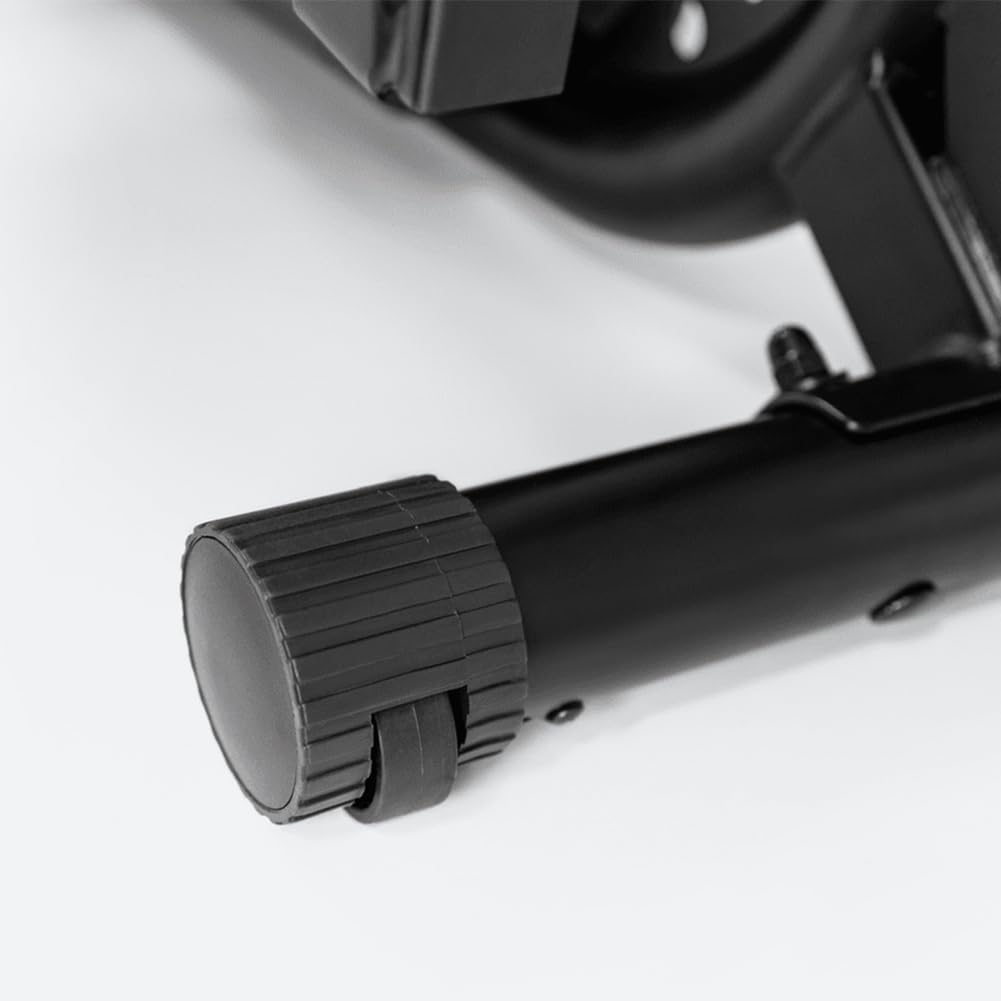
Figure 6.1: Transport wheels for convenient relocation.
7. Nchọpụta nsogbu
If you encounter issues with your elliptical, try these common troubleshooting steps:
- Mkpọtụ/Mkpọtụ: Check all bolts and connections for tightness. Lubricate moving joints if necessary. Ensure the equipment is on a level surface.
- Ngosipụta anaghị arụ ọrụ: Check battery installation and ensure batteries are fresh. Verify all cable connections to the console are secure.
- Heart Rate Reading Inaccurate: Ensure both hands are firmly gripping the sensors. Skin contact must be consistent. Readings can be affected by dry skin or excessive movement.
- Nguzogide Anaghị Agbanwe: Check the resistance control knob for proper function. Ensure the internal cable (if applicable) is not disconnected or damaged.
- Ọrụ anaghị akwụsi ike: Ensure the elliptical is placed on a flat, stable surface. Adjust any leveling feet if present.
Ọ bụrụ na nsogbu ka dị, biko kpọtụrụ nkwado ndị ahịa.
8. Nkọwapụta
| Njirimara | Nkọwa |
|---|---|
| Ụdị | BAKAJI |
| Aha Nlereanya | Bakaji |
| Nọmba nlereanya | 8054143043037 |
| Agba | Nwa |
| Akụkụ ngwaahịa (D x W x H) | 25P x 82lx 51H cm |
| Ihe onwunwe | Igwe anaghị agba nchara |
| Usoro mgbochi | Magnetik |
| Ọnụọgụ nke ọkwa mgbochi | 8 |
| Ogologo nrịgo kacha | 82 cm |
| Ibu Ibu | 25 n'arọ |
| Recommended Maximum User Weight | 100 n'arọ |
| Ngwa gụnyere | Ihe mmetụta ọnụọgụ obi |
| Mba onye si | China |
9. Akwụkwọ ikike Ozi
Specific warranty details for your BAKAJI Elliptical Exercise Bike are typically provided with your purchase documentation. Please refer to the warranty card or contact your retailer for information regarding coverage, terms, and conditions.
10. Nkwado
For technical assistance, spare parts, or any questions not covered in this manual, please contact your retailer or visit the official BAKAJI brand store: