
1. Okwu mmalite
This manual provides comprehensive instructions for the setup, operation, and maintenance of your LENVII Handheld 2D Barcode Reader. Please read this manual thoroughly before using the device to ensure proper functionality and to maximize its lifespan. This device is designed for efficient and accurate scanning of various 1D and 2D barcodes in diverse environments.
2. Ngwaahịa gafereview
2.1 Atụmatụ
- Nkwụnye ma kpọọ: Connects via USB cable without requiring driver or software installation.
- Ndakọrịta sara mbara: Compatible with Windows, Mac, Android, and Linux operating systems.
- Nkwado koodu barcode dị iche iche: Scans most 1D and 2D barcodes, including those on screens.
- Nhọrọ ndị nwere ike ịhazi: Allows customization of prefix/suffix, character deletion, and addition of keyboard keys (e.g., TAB, CR & LF).
- Ọtụtụ Ụdị Nnyocha: Supports both Key Trigger Mode and Auto-Sensing Continuous Scan Mode.
- Nhazi na-adịgide adịgide: Ergonomic design made of high-quality ABS, capable of withstanding drops from 1.5 meters onto concrete.
- Mechie ọrụ: Volume can be turned off for quiet environments.
2.2 Ụdị koodu barcode akwadoro
The LENVII Handheld 2D Barcode Reader supports a wide range of 1D and 2D barcode symbologies:
- Koodu 1D: EAN, UPC, Code 39, Code 93, Code 128, UCC/EAN 128, Codabar, Interleaved 2/5, ITF-6, ITF-14, ISBN, ISSN, MSI Plessey, GS1 DataBar, Code 11, Industrial 25, Matrix 2/5, etc.
- Koodu 2D: QR Code, Data Matrix, PDF417, Micro QR, AZTEC, etc.

Ọgụgụ 1: Ọpụamples of supported 1D and 2D barcode types.
2.3 ndakọrịta sistemụ
The scanner is compatible with various operating systems, ensuring broad integration into existing setups.
- Windows
- Mac OS
- Android
- Linux

Figure 2: System compatibility and typical usage scenarios.
3. Nhazi
The LENVII Handheld 2D Barcode Reader is designed for simple plug-and-play setup.
- Unpack the barcode reader and its USB cable from the packaging.
- Connect the USB cable to the scanner's port.
- Plug the other end of the USB cable into an available USB port on your computer or host device.
- The operating system should automatically detect and install the necessary drivers. No additional software installation is typically required.
- Once connected, the scanner is ready for use.

Figure 3: LENVII Handheld 2D Barcode Reader with USB cable.
4. Ntuziaka ọrụ
4.1 Ụdị nyocha
The scanner supports two primary scanning modes:
- Ụdị ihe mkpali: Press the trigger button to activate the scan beam and read a barcode. Release the button to deactivate.
- Ụdị nyocha na-aga n'ihu: The scanner continuously emits a scan beam, automatically reading barcodes as they are presented. This mode is often used with a stand for hands-free operation.

Figure 4: Key Trigger Mode and Continuous Scanning Mode.
4.2 Scanning from Screens
To scan barcodes displayed on smartphone or computer screens:
- Ensure the screen brightness is set to maximum.
- Position the scanner at an appropriate distance and angle to read the barcode.
4.3 Nhọrọ nhazi
The barcode reader offers various customization options, typically configured by scanning specific setup barcodes found in the full product manual (not included here). These options may include:
- Adding or hiding custom prefix/suffix digits to scanned data.
- Deleting specific characters from scanned data.
- Adding keyboard keys (e.g., TAB, Carriage Return (CR), Line Feed (LF)) to the end of scanned data for automated input.
4.4 Ogbi ọrụ
For quiet working environments, the scanner's volume can be muted. Refer to the full product manual for specific instructions on how to activate or deactivate the mute function by scanning a configuration barcode.
5. Nlekọta
To ensure optimal performance and longevity of your LENVII Handheld 2D Barcode Reader, follow these maintenance guidelines:
- Nhicha: Regularly wipe the scanner's exterior with a soft, damp cloth. Avoid using harsh chemicals or abrasive materials. Ensure the scanning window is clean and free of dust or smudges for accurate reading.
- Nchekwa: Debe ihe nyocha ahụ n'ebe dị jụụ ma kpọọ nkụ, ebe anwụ na-anaghị apụta kpọmkwem na oke okpomọkụ.
- Ijikwa: While the device is designed to be durable, avoid unnecessary drops or impacts. Handle the USB cable carefully to prevent damage to the connectors.
6. Nchọpụta nsogbu
If you encounter issues with your barcode reader, consider the following:
- Scanner Not Reading:
- Hụ na eriri USB ahụ jikọtara nke ọma na nyocha ahụ na ngwaọrụ nnabata ahụ.
- Verify that the scanner is in the correct operating mode (Key Trigger or Continuous).
- Check if the barcode is damaged, smudged, or poorly printed.
- For screen scanning, ensure the screen brightness is at maximum.
- Some densely packed or ambiguous PDF417 barcodes, or other special 2D codes, may not be scannable or enabled by default. Refer to the full product manual for advanced configuration options to enable specific barcode types.
- Mmepụta data ezighi ezi:
- Check the scanner's configuration settings (prefix/suffix, character deletion) by referring to the full product manual and scanning the appropriate setup barcodes.
- Ensure your host system's keyboard layout matches the scanner's output settings (e.g., Japanese keyboard output support).
- No Power/Indicator Light:
- Confirm the USB cable is properly connected and the host device is powered on.
- Try connecting the scanner to a different USB port or a different computer to rule out port issues.
If problems persist, please contact LENVII customer support for further assistance.
7. Nkọwapụta
| Ụdị | LENVII |
| Nlereanya | Handheld 2D Barcode Reader |
| Teknụzụ Njikọta | eriri USB |
| Isi Iyi Ike | Igwe ọkụ eletrik |
| Ọnụọgụ ihe | 1 |
| Onye nrụpụta | LENVII |
| Mba onye si | China |
| UPC / GTIN | 764549594269 |
8. Akwụkwọ ikike na nkwado
8.1 Ozi akwụkwọ ikike
This LENVII Handheld 2D Barcode Reader comes with a Akwụkwọ ikike nke ọnwa 6 site na ụbọchị azụrụ ya. Akwụkwọ ikike a na-ekpuchi ntụpọ na mmebi nrụpụta n'oge ojiji nkịtị. Ọ naghị ekpuchi mmebi sitere na ojiji na-ezighị ezi, ihe mberede, mgbanwe na-akwadoghị, ma ọ bụ mmezi na-ezighi ezi.
8.2 Nkwado ndị ahịa
For technical support, warranty claims, or any questions regarding your LENVII Handheld 2D Barcode Reader, please contact LENVII customer service through the retailer where the product was purchased or visit the official LENVII websaịtị maka ozi kọntaktị.
9. Ngwa ndapụta
The LENVII Handheld 2D Barcode Reader is suitable for a wide range of applications, including but not limited to:
- File Nlekọta
- Inventory Tracking
- Point of Sale (POS) systems
- Supermarkets and Convenience Stores
- Ụlọ nkwakọba ihe na ngwa ọrụ
- Libraries and Bookstores
- Pharmacies and Retail Outlets
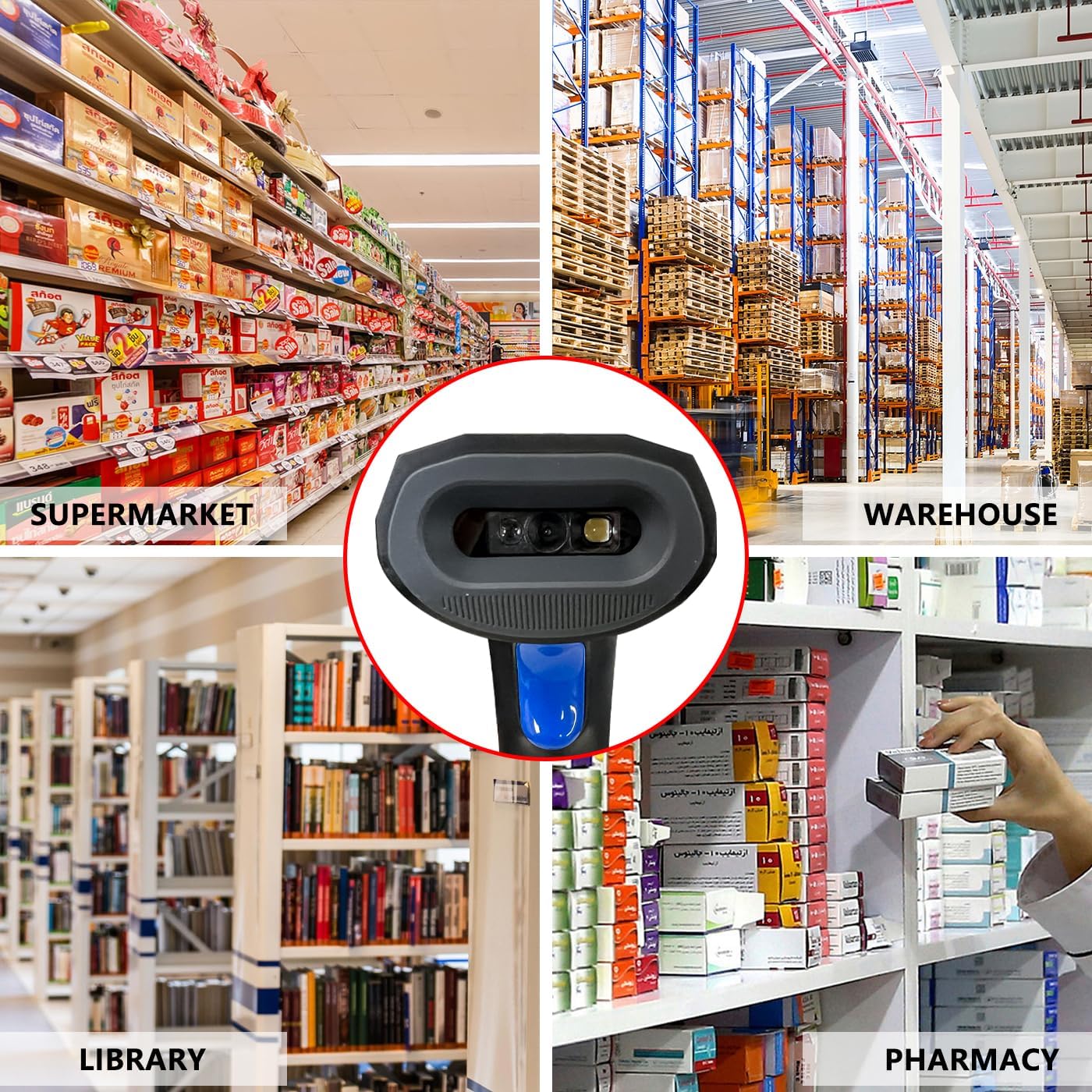
Figure 5: Diverse application environments for the barcode reader.