
1. Okwu mmalite
Thank you for choosing the SiFENE Slow Masticating Juicer Machine JS3209. This appliance is designed to extract juice from various fruits and vegetables using a slow-speed cold press technology, preserving nutrients and flavor. Please read this manual thoroughly before first use to ensure safe and optimal operation.

Image 1.1: The SiFENE Slow Masticating Juicer Machine JS3209.
The SiFENE JS3209 features a dual-feed chute for convenience, a quiet DC motor, and an efficient auger designed to minimize clogging and maximize juice yield. Its low-speed operation (80 RPM) helps reduce oxidation, resulting in a more nutrient-rich juice.
2. Ntuziaka nchekwa dị mkpa
- Gụọ ntuziaka niile tupu i jiri ngwa.
- Eminyela ntọala moto ahụ n'ime mmiri ma ọ bụ mmiri mmiri ndị ọzọ.
- Keep hands and utensils out of the feed chute during operation to prevent injury. Use the food pusher provided.
- Ensure the appliance is properly assembled and all safety locks are engaged before operating.
- Unplug from the outlet when not in use, before assembling or disassembling parts, and before cleaning.
- Ejila ngwa ọ bụla nwere eriri ma ọ bụ plọg mebiri emebi rụọ ọrụ, ma ọ bụ mgbe ngwa ahụ dara ma ọ bụ mebie n'ụzọ ọ bụla.
- Ngwa a bụ maka naanị ụlọ. Ejila n'èzí.
- Ekwesịrị ilekọta ụmụaka ka ha hụ na ha ejighi ngwa eji egwu egwu egwu.
3. Ngwa ngwaahịa
Familiarize yourself with the parts of your SiFENE juicer before assembly.

Image 3.1: All detachable components of the SiFENE Juicer.
- Ebe moto: Contains the motor and control knob.
- Feed Chute Assembly: Includes the dual-feed chute for different ingredient sizes.
- Auger: The spiral component that crushes and presses ingredients.
- iyo: Separates juice from pulp.
- Iko ihe ọṅụṅụ: Na-anakọta ihe ọṅụṅụ ewepụtara.
- Akpa Pulp: Collects the discarded pulp.
- Onye na-ebu nri: Used to guide ingredients into the feed chute.
- Nhicha ahịhịa: For easy cleaning of the filter and other parts.

Image 3.2: Close-up of the upgraded 7-level spiral auger.

Image 3.3: The ultra-fine mesh filter for efficient juice separation.
4. Mgbakọ na Ntọala
Soro usoro ndị a iji chịkọta juicer gị tupu iji:
- Debe ntọala moto ahụ n'elu ebe kwụsiri ike ma dị larịị.
- Insert the auger into the filter.
- Attach the combined auger and filter assembly into the feed chute assembly.
- Align the feed chute assembly with the motor base and rotate clockwise until it locks securely into place. You should hear a click.
- Place the juice cup under the juice outlet and the pulp container under the pulp outlet.
- Ensure the anti-drip cap on the juice outlet is open for juicing.
5. Ọrụ
5.1 Ingredient Preparation
- Sachaa mkpụrụ osisi na akwụkwọ nri niile nke ọma.
- Remove hard pits from fruits (e.g., peaches, plums, cherries).
- Peel fruits with thick or inedible skins (e.g., oranges, lemons, pineapples).
- Cut ingredients into appropriate sizes to fit the feed chutes. The juicer features a dual-feed chute: a wider opening (2.4 inches) for larger items like apple slices, and a narrower opening (1.6 inches) for long vegetables like celery.

Image 5.1: The dual-feed chute accommodates various ingredient shapes and sizes.

Image 5.2: Recommended fruits and vegetables for juicing, including oranges, watermelon, carrots, wheatgrass, apples, grapes, celery, and cucumber.
5.2 Juicing Process
- Tinye eriri ọkụ n'ime oghere eletrik gbadoro ụkwụ.
- Turn the control knob to the desired setting: 'Soft' for softer fruits (85-100 RPM) or 'Hard' for harder vegetables (95-110 RPM).
- Gradually feed prepared ingredients into the appropriate feed chute. Use the food pusher to gently guide ingredients down. Do not force ingredients.
- Ihe na-eme ka ihe ọṅụṅụ ahụ dị nro ga-ewepụta ihe ọṅụṅụ ahụ n'ime iko ihe ọṅụṅụ ahụ wee kewaa ihe ọṅụṅụ ahụ n'ime akpa ihe ọṅụṅụ ahụ.
- If the juicer becomes clogged, turn the knob to 'Rev' (Reverse) for a few seconds to clear the blockage, then return to 'Soft' or 'Hard' to continue juicing.
- Once juicing is complete, turn the knob to 'Off' and unplug the appliance.
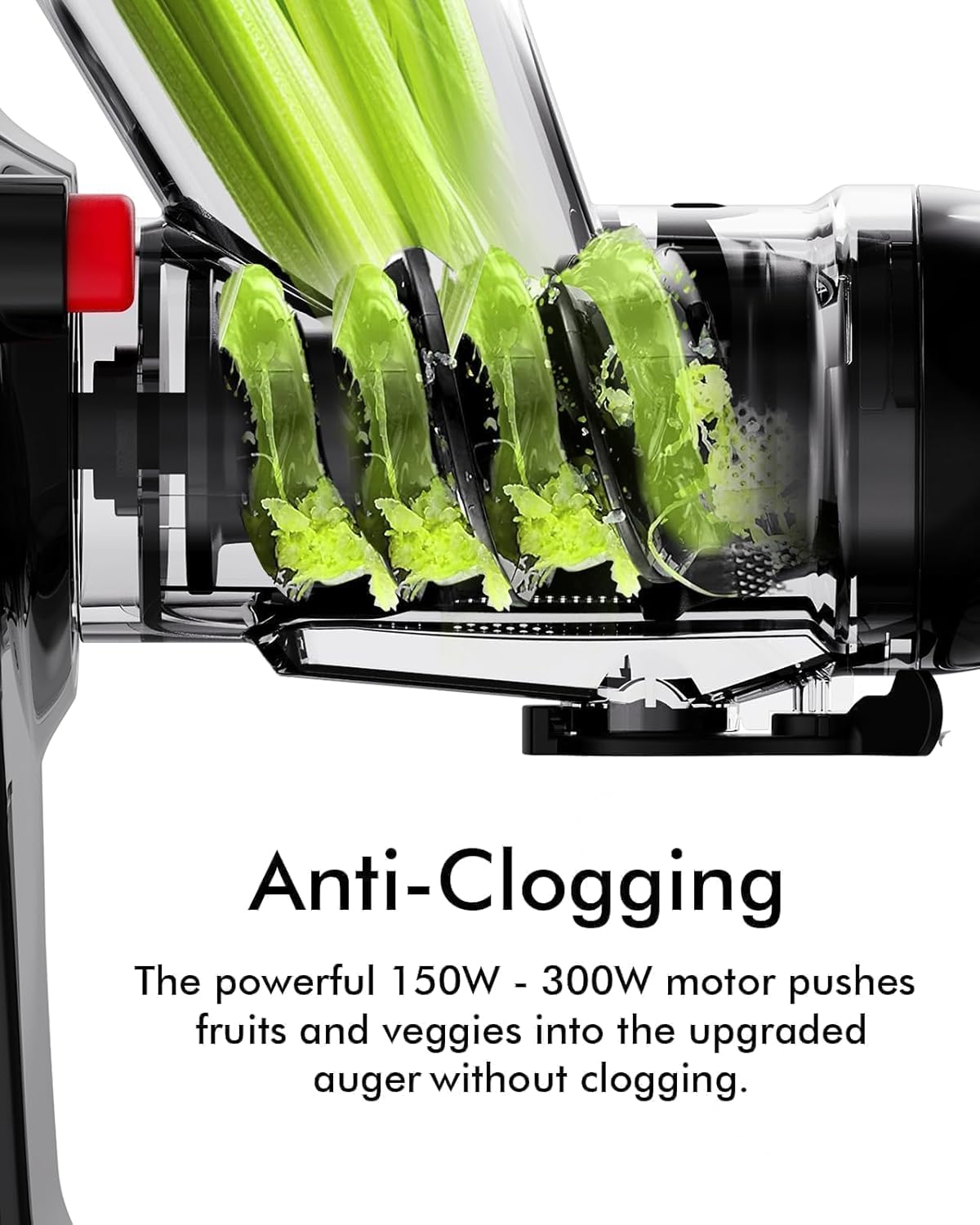
Image 5.3: The powerful motor and upgraded auger prevent clogging during operation.

Image 5.4: The auger efficiently processes ingredients to extract juice.
6. Nhicha na mmezi
Regular cleaning ensures the longevity and hygiene of your juicer.
- Kpupu ihe ọ juiceụụ juiceụ ahụ na ntinye ọkụ.
- Disassemble the juicer by rotating the feed chute assembly counter-clockwise and lifting it off the motor base.
- Separate the auger, filter, and feed chute assembly.
- Rinse all detachable parts (feed chute assembly, auger, filter, juice cup, pulp container, food pusher) under running water.
- Use the provided cleaning brush to remove any pulp residue from the filter and other intricate parts.
- All detachable parts are dishwasher safe.
- Jiri mgbasa ozi hichapụ ntọala moto ahụamp Etinyela isi moto ahụ n'ime mmiri.
- Kwe ka akụkụ niile kpoo kpamkpam tupu ịchịkọta ma ọ bụ chekwaa ya.

Image 6.1: Demonstrating the easy cleaning of juicer components with the brush.

Image 6.2: The specialized cleaning brush helps remove stubborn pulp from the filter.
7. Nchọpụta nsogbu
| Nsogbu | Ihe nwere ike ime | Ngwọta |
|---|---|---|
| Juicer anaghị agbanye. | Not plugged in; not assembled correctly; safety lock not engaged. | Ensure power cord is securely plugged in. Check that the feed chute assembly is locked into the motor base. |
| Juicer stops during operation or gets clogged. | Too many ingredients fed at once; hard ingredients causing blockage. | Turn the knob to 'Rev' (Reverse) for a few seconds to clear the blockage, then resume juicing. Feed ingredients slowly. |
| Oke pulp dị na mmiri ara ehi. | Filter is clogged or damaged. | Clean the filter thoroughly. If damaged, contact customer service for a replacement. |
| Oke mkpọtụ mgbe arụ ọrụ. | Improper assembly; foreign object inside. | Disassemble and reassemble the juicer, ensuring all parts are correctly fitted. Check for any foreign objects. |
8. Nkọwapụta
| Njirimara | Nkọwa |
|---|---|
| Ụdị | SIFENE |
| Aha Nlereanya | JS3209 |
| Agba | Uhie |
| Atụmatụ pụrụ iche | Easy to Clean, Easy to Assemble, High Juice Yield, Powerful Motor, Quiet Motor, Non BPA, Safety Lock |
| Akụkụ ngwaahịa | 6.3"D x 15.35"W x 12.99"H |
| Eji akwadoro | Mkpụrụ osisi, Akwụkwọ nri |
| Ntuziaka nlekọta ngwaahịa | Nchekwa nke igwe ịsa efere (akụkụ ndị a na-ewepụ) |
| Ike | 1000 Milliliters (juice cup) |
| Ike kacha | 250 Watt |
| Isi Iyi Ike | AC |
| Voltage | 120V |
| Ọnụọgụ nke Ọsọ ọsọ | 3 (Off, Soft, Hard, Reverse) |
| Ibu Ibu | 9.44 pound |
9. Akwụkwọ ikike na nkwado
The SiFENE Slow Masticating Juicer Machine JS3209 comes with the following assurances:
- Motor Assurance: afọ 4
- Parts Assurance: afọ 2
For any questions, technical support, or warranty claims, please contact SiFENE customer service. Our team is available round-the-clock to assist you.
Please refer to the product packaging or the official SiFENE websaịtị maka ozi kọntaktị kacha ugbu a.