
1. Okwu mmalite
This manual provides detailed instructions for the operation and maintenance of your Jectse Smart RFID NFC Copier. This device is designed for reading, writing, and duplicating various RFID and NFC cards and keyfobs across multiple frequencies. Please read this manual thoroughly before use to ensure proper functionality and to prevent damage.
2. Ngwaahịa gafereview
The Jectse Smart RFID NFC Copier is a handheld device featuring a color display and a numeric keypad for easy operation. It supports a wide range of card types and frequencies.
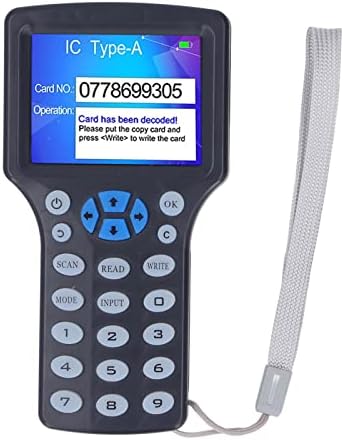
Foto 2.1: Jectse Smart RFID NFC Copier. This image shows the front view of the handheld copier with its color screen and keypad.
2.1 Ngwa na njikwa
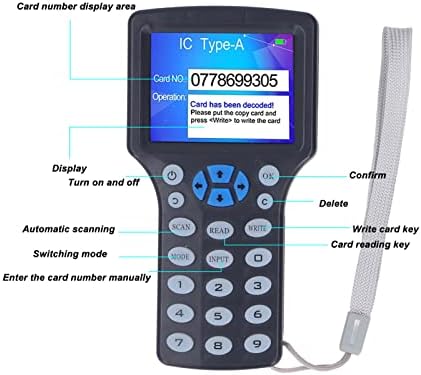
Foto 2.2: Labeled diagram of the copier's display and controls. Key elements include the display area, power button, OK button, delete button, scan button, read button, write button, mode switch, and input keys.
- Mpaghara ngosi: Shows card number, operation status, and messages.
- Bọtịnụ ike: Gbanyụọ ma gbanyụọ ngwaọrụ ahụ.
- OK bọtịnụ: Na-akwado nhọrọ ma ọ bụ omume.
- Bọtịnụ C: Deletes input or cancels operations.
- Bọtịnụ SCAN: Initiates automatic scanning for card types.
- READ Button: Reads data from a card.
- DEE Bọtịnụ: Writes data to a card.
- Bọtịnụ MODE: Switches between different operating modes.
- Bọtịnụ ntinye: Allows manual entry of card numbers.
- Ahụigodo ọnụọgụ (0-9): For entering data.
- Bọtịnụ ntụzịaka: For navigation on the display.
Ihe ngwugwu 2.2

Foto 2.3: Included accessories: USB data cable and two blue keyfobs. The package typically includes the copier unit, a USB data cable, and several writable keychains/cards.
- Jectse Smart RFID NFC Copier Unit
- USB data USB
- Writable Keychains (Quantity may vary)
- Writable Cards (Quantity may vary)
3. Nhazi
3.1 Ike inye
The device can be powered in two ways:
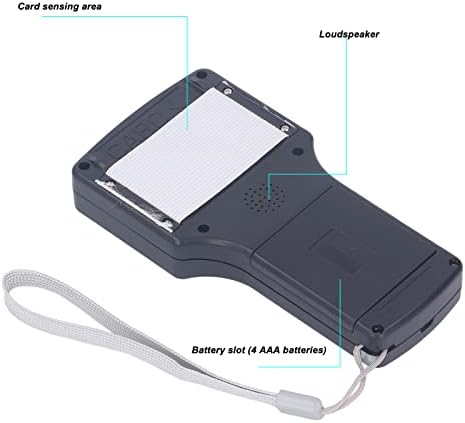
Foto 3.1: N'azụ view of the copier, highlighting the battery slot and card sensing area. The battery compartment is located on the back of the device.
- Batrị AAA: Open the battery compartment on the back of the device and insert 4 AAA batteries (not included), ensuring correct polarity.
- Ọkụ USB: Connect the device to a computer or a USB power adapter using the provided USB data cable.
Press the power button to turn on the device. The display will light up.
3.2 Connecting to a Computer (for Decryption)
For decrypting certain 13.56MHz encrypted cards, the device must be connected to a computer.
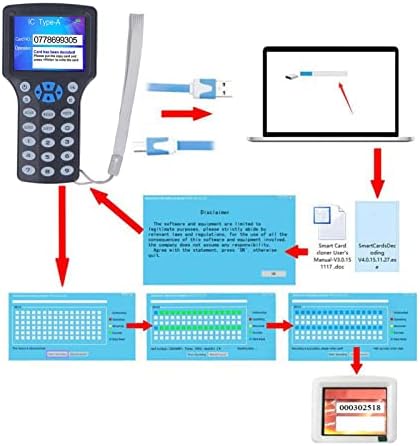
Foto 3.2: Connection diagram illustrating the copier connected to a computer via USB, with a representation of the software interface. The USB cable connects the copier to a computer for advanced functions like decryption and software interaction.
- Connect the USB data cable from the copier to an available USB port on your computer.
- The device may require specific software for decryption. Refer to the manufacturer's website or included documentation for software installation instructions.
4. Ntuziaka ọrụ
4.1 Reading a Card
- Gbanwuo ngwaọrụ.
- Place the card or keyfob you wish to read on the card sensing area (located on the back of the device, refer to Figure 3.1).
- Pịa GỤỌ bọtịnụ.
- The display will show the card number and type if successful.
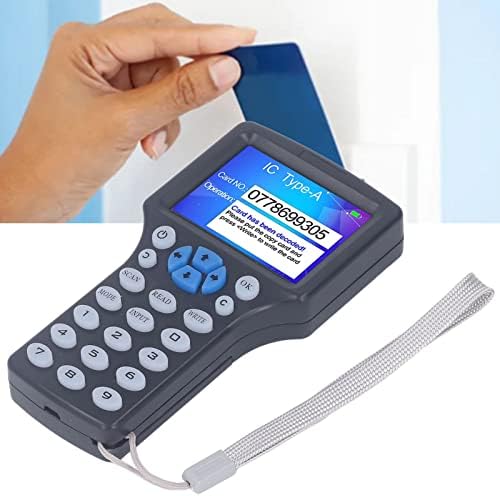
Foto 4.1: Demonstrating how to place a card on the copier for reading. The card is held flat against the back of the device.
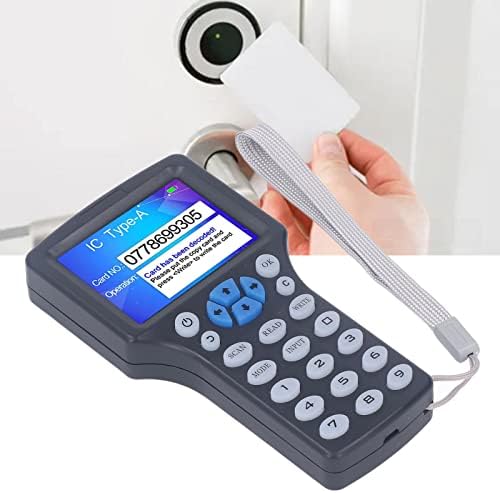
Foto 4.2: An alternative perspective of placing a card for reading. Ensure the card is positioned correctly over the sensing area.
4.2 Writing/Duplicating a Card
To duplicate a card, you must first read the source card, then write the data to a compatible writable card or keyfob.
- Follow the steps in Section 4.1 to read the source card. Ensure the card data is displayed on the screen.
- Remove the source card.
- Place a compatible writable card or keyfob (e.g., UID keychain, T5577 card) on the card sensing area.
- Pịa dee bọtịnụ.
- The display will indicate if the writing process was successful.
Mara: For successful writing, ensure the target card is a writable type (e.g., UID cards for 13.56MHz, T5577 for 125KHz). Standard read-only cards cannot be written to.
4.3 Decrypting Encrypted 13.56MHz Cards
The device can decrypt most 13.56MHz encrypted cards when connected to a computer.
- Connect the copier to your computer via the USB cable (refer to Section 3.2).
- Launch the dedicated decryption software on your computer.
- Follow the software's instructions to initiate the decryption process. This typically involves placing the encrypted card on the copier's sensing area and allowing the software to analyze and decrypt the data.
- Once decrypted, the software will guide you through writing the decrypted data to a new writable card.
Ihe dị mkpa: Decryption capabilities may vary depending on the encryption complexity and the specific software version. Not all encrypted cards can be decrypted.
4.4 Frequency Support
The copier supports reading and writing across a broad range of frequencies:
- 125 kHz
- 250 kHz
- 375 kHz
- 500 kHz
- 625 kHz
- 750 kHz
- 875 kHz
- 1000 kHz
- 13.56Mhz
It is compatible with various card types including ISO 14443 A cards, EM cards, T5577 cards, Ntag 213/215/216, and others.
5. Nlekọta
- Nhicha: Jiri ákwà dị nro ma kpọọ nkụ hichaa ngwaọrụ ahụ. Zere iji ihe nhicha mmiri ma ọ bụ ihe ndị na-eme ka ọ dị nro hichaa ya.
- Nchekwa: Chekwaa ngwaọrụ ahụ n'ebe dị jụụ, kpọrọ nkụ na-adịghị na ìhè anyanwụ kpọmkwem na oke okpomọkụ.
- Ngbanwe batrị: If using AAA batteries, replace all four batteries simultaneously when the low battery indicator appears on the display.
- Mmelite ngwanrọ: Lelee nke onye nrụpụta oge ụfọdụ website for any available software or firmware updates for enhanced functionality or compatibility.
6. Nchọpụta nsogbu
| Nsogbu | Ihe nwere ike ime | Ngwọta |
|---|---|---|
| Ngwaọrụ anaghị agbanwu ọkụ. | Low or depleted batteries; USB cable not connected properly. | Replace AAA batteries or ensure USB cable is securely connected to a power source. |
| Cannot read a card. | Card not placed correctly; card type not supported; card damaged. | Ensure the card is flat against the sensing area. Try another card. Verify card type compatibility. |
| Cannot write to a card. | Target card is not writable; data not read correctly from source card; target card damaged. | Ensure the target card is a compatible writable type (e.g., UID, T5577). Re-read the source card. Try a different writable card. |
| Decryption fails for 13.56MHz card. | Card encryption too complex; software not installed or updated; device not connected to PC. | Ensure the device is connected to a PC with the correct software. Update software. Note that some advanced encryption may not be supported. |
| Ngosipụta bụ oghere ma ọ bụ anaghị anabata ya. | Power issue; device malfunction. | Check power supply. Try restarting the device. If the problem persists, contact customer support. |
7. Nkọwapụta
| Njirimara | Nkọwa |
|---|---|
| Aha Nlereanya | Jectsegr19nkhvsb |
| Ugboro akwadoro | 125KHz, 250KHz, 375KHz, 500KHz, 625KHz, 750KHz, 875KHz, 1000KHz, 13.56MHz |
| Ngosipụta | HD 2.8 inch full color screen |
| Ịnye ọkụ | 4 x AAA batteries or USB power supply |
| Njikọta | USB Ụdị A |
| Ndakọrịta sistemụ arụmọrụ | WinCE 5, Windows 98, Windows Vista (for PC connection/software) |
| Ibu Ibu | 11.6 ounces |
| Akụkụ ngwugwu | 7.56 x 6.26 x 2.32 sentimita asatọ |
| Njirimara Pụrụ Iche | Kọmpat imewe |
8. Akwụkwọ ikike na nkwado
For warranty information and technical support, please refer to the official Jectse websaịtị ma ọ bụ kpọtụrụ onye na-ere ahịa gị. Debe nnata nzụta gị ka ihe akaebe nke ịzụrụ.
Manufacturer: Jectse