
1. Okwu mmalite
Thank you for choosing the Easy Camp Huntsville 400 tent. This manual provides essential information for the safe and effective setup, operation, and maintenance of your tent. Please read it thoroughly before first use and retain it for future reference.
The Huntsville 400 is a spacious 4-person tent designed for camping and hiking, offering reliable shelter with its waterproof construction and durable materials.
2. Ozi nchekwa
- Nchekwa ọkụ: Keep all flame and heat sources away from the tent fabric. The tent is made of flammable material and will burn if exposed to flame. Do not use gas or paraffin heaters, barbecues, or cooking appliances inside the tent.
- Igwe ikuku: Ensure adequate ventilation at all times to prevent condensation and the accumulation of carbon monoxide if using any combustion appliances (which is not recommended).
- Ọnọdụ ihu igwe: While the tent is waterproof, extreme weather conditions (e.g., strong winds, heavy snow) can cause damage. Choose a sheltered pitching site and secure all guy ropes properly.
- Ụmụaka: Supervise children around the tent, especially during setup and takedown.
- Nhọrọ saịtị: Pitch your tent on level ground, away from sharp objects, overhanging branches, and potential flood areas.
3. Ihe ngwugwu
Before setting up, verify that all components are present:
- Outer Tent (Rainfly)
- Ụlọ ntu dị n'ime
- Tent Poles (Aluminum)
- Pegs/Stakes
- Guy Ropes (pre-attached or separate)
- Buru akpa
- Akwụkwọ ntuziaka (akwụkwọ a)
4. Nhazi ntuziaka
The Easy Camp Huntsville 400 tent is designed for quick assembly, typically taking around 5 minutes for two people.
- Wepu ma dobe: Remove the tent from its carry bag and lay the outer tent (rainfly) flat on your chosen pitching site. Ensure the door is facing the desired direction.
- Kpọkọta okporo osisi: Connect the aluminum pole sections. Identify the correct poles for each sleeve on the outer tent.
- Fanye okporo osisi: Slide the assembled poles through the corresponding sleeves on the outer tent.
- Ogidi Akpụ na Ogidi Nchekwa: Gently arch the poles and insert their ends into the eyelets or pin-and-ring systems at the base of the tent. This will raise the tent structure.
- Peg Down Corners: Secure the four main corners of the outer tent to the ground using pegs.
- Attach Inner Tent: Go inside the outer tent and clip or toggle the inner tent into place. Ensure the inner tent floor is spread out smoothly.
- Secure Guy Ropes: Extend all guy ropes and peg them firmly into the ground at an appropriate angle (approximately 45 degrees) to provide stability against wind. Adjust tensioners as needed.
- Ndozi ikpeazụ: Check all zips are closed and the tent is taut and stable.
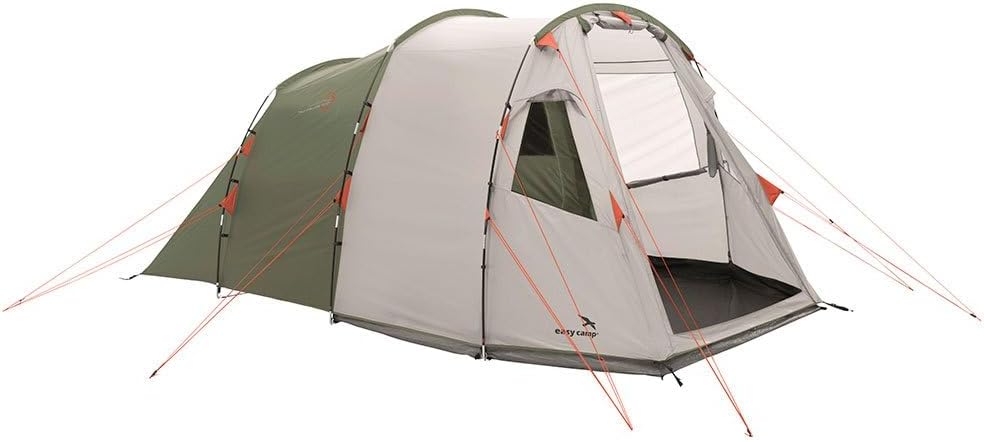
Figure 4.1: The Easy Camp Huntsville 400 tent fully pitched, showing its overall structure and guy rope setup.

Ọgụgụ 4.2: Akụkụ view of the Huntsville 400 tent, illustrating the tunnel design and pole structure.
5. Ntuziaka ọrụ
- Ntinye na Wepụ: The tent features a main zippered entrance. Ensure zippers are fully closed when not in use to prevent insects and weather ingress.
- Igwe ikuku: Utilize the tent's ventilation points to maintain airflow and reduce condensation. Open vents during the day and close them partially at night if temperatures drop.
- Internal Space: The tent has one main room, providing ample space for 4 persons.
- Nchekwa: Use any internal pockets or hanging points for organizing small items.

Ọgụgụ 5.1: Ime view of the tent showing the sleeping area partition closed, providing privacy.

Ọgụgụ 5.2: Ime view of the tent with the sleeping area partition open, creating a larger communal space.
6. Nlekọta na nlekọta
- Nhicha: Clean the tent using a soft brush or sponge and lukewarm water. Do not use detergents, bleach, or harsh chemicals as they can damage the fabric's waterproof coating. The manufacturer recommends hand washing.
- ihicha: Gbaa mbọ hụ na ụlọ ntu ahụ akpọnwụwo kpamkpam tupu ịkwakọta ya. Mgbasa ozi mbukotaamp tent can lead to mildew, mold, and degradation of the fabric and coatings. Air dry in a shaded, well-ventilated area.
- Nchekwa: Debe ụlọ ntu ahụ n'ebe dị jụụ ma kpọọ nkụ, ebe anwụ na-anaghị anwụ kpọmkwem na oke okpomọkụ dị oke njọ.
- Zippers: Keep zippers clean and free of dirt. Lubricate occasionally with a silicone-based spray if they become stiff.
- Ndozi: Small tears can be repaired with a tent repair kit. For larger damage, consult a professional repair service.
7. Nchọpụta nsogbu
- Condensation n'ime tent: This is normal and occurs when warm, moist air inside the tent meets cooler tent fabric. Increase ventilation by opening vents or doors slightly.
- Ntupu mmiri: Check for tears in the fabric or seams. Ensure all zippers are fully closed. If leaks persist, re-apply seam sealer to stitched areas or a waterproofing spray to the fabric.
- Poles Difficult to Assemble/Disassemble: Ensure pole sections are clean. If they stick, a small amount of silicone spray can help. Do not force them.
- Ụlọ ntu anaghị eguzosi ike: Ensure all poles are correctly inserted and tensioned. Check that all pegs are securely driven into the ground and guy ropes are taut and properly angled.
8. Nkọwapụta
| Ụdị | Mfe Camp |
| Aha Nlereanya | Huntsville 400 Tienda |
| Nọmba nlereanya | 120406 |
| Ọnụnọ | 4 Onye |
| Oge | Oge 3 |
| Ibu Ibu | 7.7 kilogram |
| Teknụzụ Nguzogide mmiri | 1500 mm |
| Njirimara Pụrụ Iche | Enwere ike ibugharị, enweghị mmiri |
| Material (Outer Tent) | Polyester (Rainfly: Nylon) |
| Isi ihe | Polyethylene |
| Ụdị ihe mkpanaka osisi | Aluminom |
| Agba | Nwa |
| Akụkụ ihe (LxWxH) | 55.12 x 39.37 x 80.71 sentimita asatọ |
| Ogologo kachasị elu | 100 sentimita asatọ |
| Oge Mgbakọ | 5 nkeji |
| Ọnụọgụ nke ime ụlọ | 1 |
9. Akwụkwọ ikike na nkwado
For information regarding warranty coverage, product support, or spare parts, please refer to the original purchase documentation or visit the official Easy Camp websaịtị. Enwere ike ịhụ nkọwa kọntaktị maka ọrụ ndị ahịa na nke onye nrụpụta websaịtị ma ọ bụ na nnata ịzụrụ ihe.
It is recommended to register your product, if applicable, to receive updates and support.