
1. Okwu mmalite
This manual provides essential information for the safe and efficient operation of your Mxmoonant Electric Diesel Transfer Pump, model WS-19. This portable, self-priming pump is designed for transferring diesel and kerosene. Please read this manual thoroughly before use and retain it for future reference.

Image 1.1: The Mxmoonant Electric Diesel Transfer Pump, highlighting its portable design and rechargeable battery.
2. Ozi nchekwa
Always observe the following safety precautions to prevent injury or damage to the pump.
- Mmiri mmiri na-enwu ọkụ: This pump is designed exclusively for diesel and kerosene. EMELA use with gasoline, corrosive liquids, water, or any other flammable or non-flammable liquids not specified. Using with unsuitable liquids can cause fire, explosion, or pump damage.
- Igwe ikuku: Operate the pump in a well-ventilated area to avoid accumulation of fuel vapors.
- Isi mmalite mgbanye: Keep the pump and work area free from open flames, sparks, and other ignition sources. Do not smoke while operating.
- Nchekwa Eletriki: Ensure batteries are charged in a safe environment. Do not expose the pump or batteries to rain or wet conditions.
- Ngwa nchekwa nkeonwe: Wear appropriate safety glasses and gloves when handling fuels.
- Ụmụaka na ndị ọbịa: Debe ụmụaka na ndị na-enyeghị ikike ka ha ghara ịnọ ebe a na-arụ ọrụ.
- Usoro Mberede: Know how to stop the pump quickly in an emergency. Have fire extinguishers suitable for fuel fires readily available.
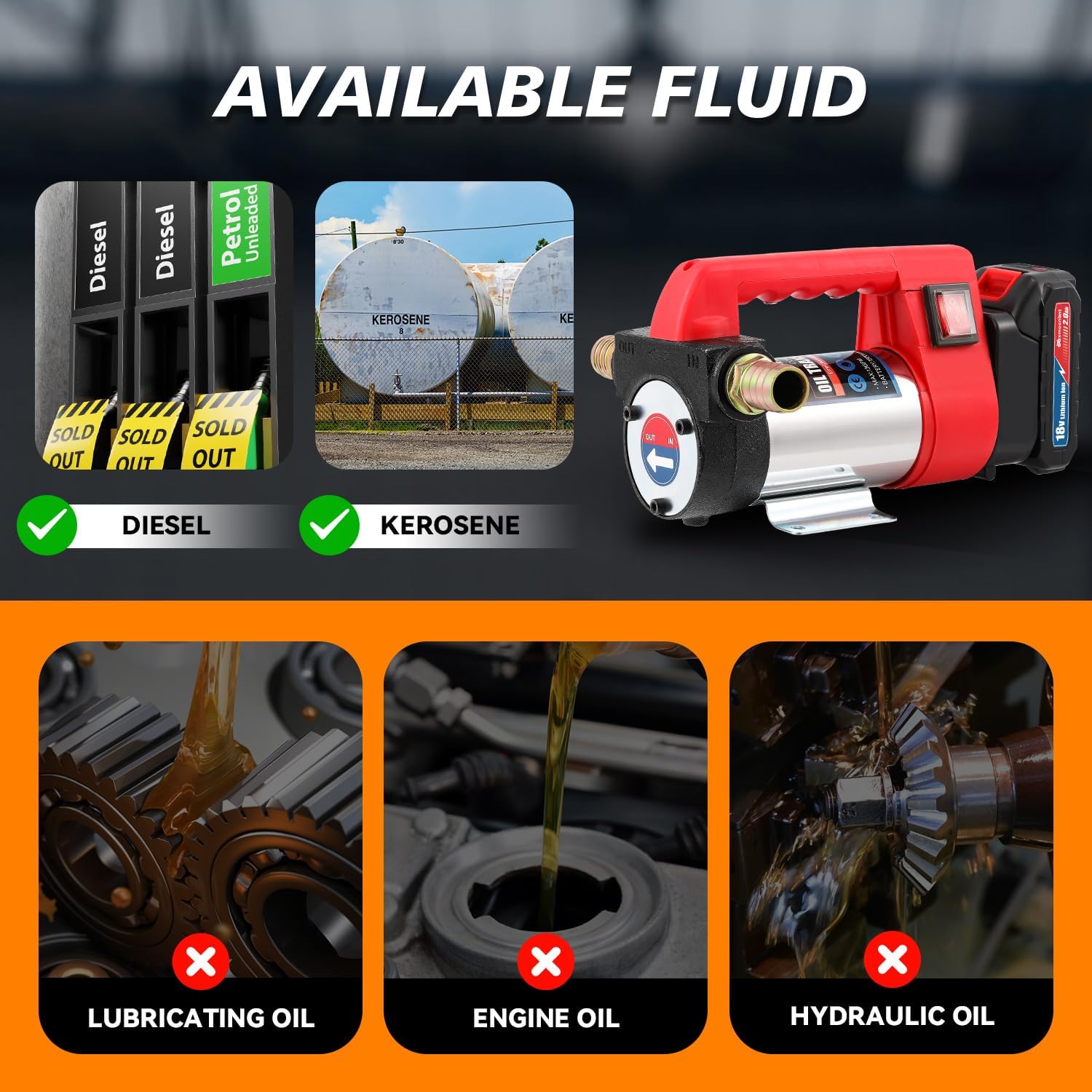
Image 2.1: Permitted and prohibited fluids for transfer. Only use with diesel and kerosene.
3. Ngwaahịa gafereview na akụrụngwa
The Mxmoonant Electric Diesel Transfer Pump is designed for ease of use and portability. Familiarize yourself with its components before operation.
3.1 Isi ngalaba

Image 3.1: Main pump unit with handle, on/off switch, and battery slot.
Ngwa 3.2 gụnyere
Ngwugwu a na-agụnyekarị ihe ndị a:
- Oil pump unit
- Ọbara clamps
- Seals and gaskets
- Iyo
- 2 x 2000mAH Lithium-ion rechargeable batteries
- Chaja batrị
- Njikọ njikọ
- Arịọnụ mgbodo

Image 3.2: Complete set of pump and accessories.

Image 3.3: The two 2000mAH lithium-ion batteries provide cordless operation and backup power.
4. Nkọwapụta
| Njirimara | Nkọwapụta |
|---|---|
| Ụdị | Mxmoonant |
| Nọmba nlereanya | WS-19 |
| Ike | 260W |
| Ọsọ | 4200 rpm |
| Ọnụego nfe kacha | 50 L/Min (13 GPM) |
| Max ebuli | 8m / 26ft |
| Ihe kacha mma | 5m / 16ft |
| Ibu | 4.29 n'arọ (8.8 lbs) |
| Ụdị batrị | 2 x 2000mAH Lithium-ion |
| Ihe onwunwe | Plastic (housing), Metal (pump body) |
| Akụkụ | 26.6 x 26.2 x 18.1 cm |
| Mmiri mmiri ọdabara | Diesel, Kerosene |

Image 4.1: Key performance parameters of the pump.
5. Ntọala na Mgbakọ
Follow these steps to prepare your pump for operation.
- chaja batrị: Fully charge both lithium-ion batteries using the provided charger before first use.
- Tinye waya ndị a: Connect appropriate hoses (not included) to the "IN" (inlet) and "OUT" (outlet) ports of the pump. Secure them with the provided hose clamps to prevent leaks. Ensure a tight seal.
- Wụnye nzacha: Attach the filter to the inlet hose to prevent debris from entering the pump.
- Fanye batrị: Insert a fully charged battery into the battery slot on the pump.
- Igwe mgbapụta ọnọdụ: Place the pump on a stable, level surface. The integrated support base helps with stability.

Image 5.1: Visual guide for connecting hoses and preparing for fluid transfer.
6. Ntuziaka ọrụ
Follow these steps for safe and effective fluid transfer.
- Prepare Source and Destination: Place the inlet hose into the source container (e.g., diesel drum) and the outlet hose into the destination container (e.g., vehicle fuel tank). Ensure both hoses are securely in place and cannot fall out.
- Ensure Self-Priming: The pump is self-priming. Ensure the inlet hose is fully submerged in the fluid.
- Mmalite mgbapụta: Flip the ON/OFF switch to the "ON" position. The pump will begin transferring fluid.
- Monitor Transfer: Continuously monitor the fluid transfer process. Do not leave the pump unattended.
- Stop Pump: Once the transfer is complete or the source container is empty, flip the ON/OFF switch to the "OFF" position.
- Remove Hoses: Carefully remove the hoses from the containers, allowing any residual fluid to drain back into the source or destination.
6.1 Ihe Ndị Dị Mkpa E Deturu Ọrụ
- The pump is designed for intermittent use. Avoid continuous operation for extended periods to prevent overheating.
- If the pump loses prime, turn it off, check hose connections, and ensure the inlet is fully submerged before restarting.
- A fully charged 2000mAH battery can pump approximately 400L of diesel. Monitor battery life and have a spare charged battery ready.
7. Nlekọta
Regular maintenance ensures the longevity and optimal performance of your pump.
- Nhicha: After each use, clean the exterior of the pump with a damp akwa . Eminyela mgbapụta ahụ n'ime mmiri.
- Filter Inspection: Regularly inspect and clean the inlet filter to prevent blockages and maintain flow rate. Replace if damaged.
- Nyocha hose: Check hoses for cracks, leaks, or damage before each use. Replace damaged hoses immediately.
- Nchekwa: Store the pump in a cool, dry place, away from direct sunlight and extreme temperatures. Remove batteries if storing for extended periods.
- Nlekọta batrị: Store batteries in a partially charged state (around 50%) if not used for a long time. Recharge fully before next use.
8. Nchọpụta nsogbu
Ọ bụrụ na ị na-enwe nsogbu, rụtụ aka na nsogbu ndị a na-ahụkarị na ngwọta ndị a:
| Nsogbu | Ihe nwere ike ime | Ngwọta |
|---|---|---|
| Mgbapụta anaghị ebido | Batrị agwụla ma ọ bụ na etinyereghị ya nke ọma. | Ensure battery is fully charged and properly seated. Try the spare battery. |
| Low flow rate or no fluid transfer | Inlet filter clogged; hoses kinked or blocked; pump not primed; air leak in system. | Clean filter; check hoses for obstructions; ensure inlet hose is fully submerged; check all connections for tightness. |
| Pump na-eme mkpọtụ na-adịghị ahụkebe | Air in the system; debris in pump; pump running dry. | Check for air leaks; clean filter; ensure fluid supply. If noise persists, discontinue use and contact support. |
| Mwepu mmiri | Loose hose connections; damaged seals or hoses. | Kpochie eriri niile clamps; inspect and replace damaged seals or hoses. |
9. Akwụkwọ ikike na nkwado
For warranty information or technical support, please refer to the documentation included with your purchase or contact Mxmoonant customer service directly. Keep your purchase receipt as proof of purchase.
Ozi mkpọtụrụ: Please refer to the contact details provided on the product packaging or the official Mxmoonant websaịtị maka ozi nkwado kachasị ọhụrụ.
10. Ngwa
The Mxmoonant Electric Diesel Transfer Pump is a versatile tool suitable for various applications requiring the transfer of diesel and kerosene.
- Refueling large trucks and commercial vehicles.
- Transferring fuel for engineering vehicles and construction machinery.
- Fueling agricultural equipment like combine harvesters and tractors.
- Marine applications for transferring diesel to boats and ships.
- General fuel transfer for small equipment and generators.

Foto 10.1: Ọpụamples of common applications for the diesel transfer pump.