
1. Okwu mmalite
The SINGCALL E57 is a wireless SOS emergency call button designed to function as a transmitter within a caregiver pager system. This device is intended to be used in conjunction with a compatible SINGCALL receiver (not included) to create a complete call system. It provides a simple and effective way for individuals needing assistance, such as the elderly, patients, or those with disabilities, to alert a caregiver.
Ihe ndetu dị mkpa: The E57 call button cannot be used as a standalone device. A SINGCALL receiver is required for the system to function.
2. Ngwaahịa gafereview
The E57 call button features a large, easily identifiable button for quick activation. Its compact and durable design ensures reliability in various environments.

Foto 2.1: N'ihu view of the SINGCALL E57 Wireless SOS Emergency Call Button.
Akụkụ ndị bụ isi:
- Nha kọmpat: Approximately 5.5 x 5.5 cm (2.2 x 2.2 inches).
- Nhazi mgbochi mmiri: IP55 rated, offering protection against dust and low-pressure water jets.
- Okpomọkụ arụ ọrụ sara mbara: Functions reliably between -20℃ to 50℃ (-4℉ to 122℉).
- Ogologo nnyefe ogologo: Up to 150 meters (500 feet) in open areas.
- Enwere ike ibugharị: Can be carried in a pocket, worn around the neck with a lanyard, or mounted on a wall.
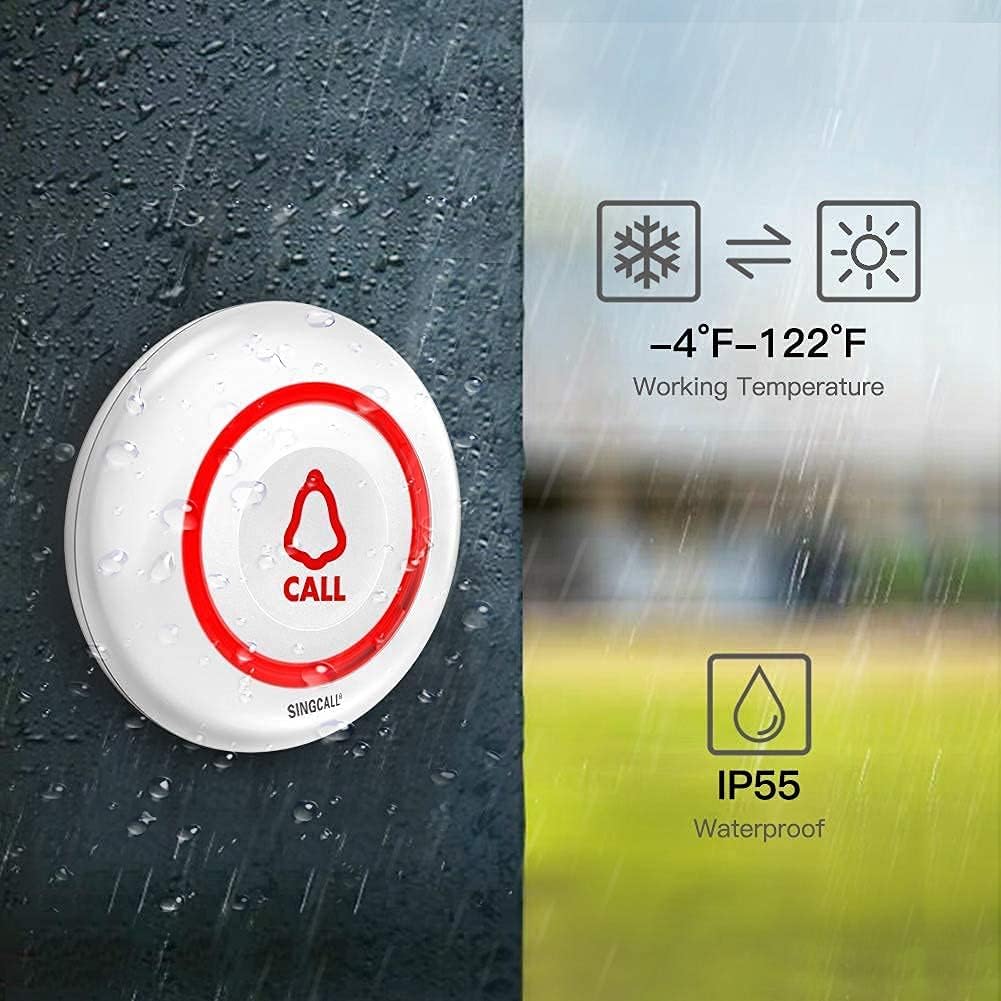
Figure 2.2: Dimensions of the SINGCALL E57 Call Button.

Figure 2.3: The E57 button demonstrating its IP55 waterproof rating and operating temperature range.
3. Nhazi
3.1 Ntinye batrị
The E57 call button is powered by two CR2 batteries, which are typically included. To install or replace batteries:
- Carefully open the back cover of the call button.
- Insert the two CR2 batteries, ensuring correct polarity (+/-).
- Mechie mkpuchi azụ nke ọma.
3.2 Pairing with a SINGCALL Receiver
The E57 call button must be paired with a compatible SINGCALL receiver to function. The pairing process typically involves placing the receiver into a pairing mode and then activating the call button.
General Pairing Steps (refer to your receiver's manual for specific instructions):
- Ensure your SINGCALL receiver is powered on and in close proximity to the E57 button.
- Activate the pairing mode on your SINGCALL receiver. This usually involves pressing a specific button on the receiver for a few seconds until an indicator light or sound confirms pairing mode.
- While the receiver is in pairing mode, press the large "CALL" button on the E57 transmitter.
- The receiver should indicate successful pairing (e.g., a beep, flash, or display update).
- Test the connection by pressing the E57 button again to ensure the receiver responds.
3.3 Ịwụnye na Ịtinye
The E57 button offers flexible placement options:
- Ojiji enwere ike ibugharị: Attach a lanyard (if provided) to wear it around the neck, or simply carry it in a pocket.
- Ịkwanye mgbidi: The button can be affixed to a wall using adhesive or screws (not included) for fixed locations like bathrooms or beside a bed. Ensure it is placed within the transmission range of the receiver.

Ọgụgụ 3.1: Ọpụample of the E57 button being worn for easy access.
4. Ntuziaka ọrụ
Once the E57 call button is paired with a SINGCALL receiver, operation is straightforward:
- To send an alert, simply press the large "CALL" button firmly.
- The button will transmit a wireless signal to the paired receiver.
- The receiver will then activate its alert mechanism (e.g., sound, vibration, light) to notify the caregiver.
Ensure the button is within the effective transmission range of the receiver for reliable operation. Obstacles such as thick walls or electronic interference can reduce the effective range.
Figure 4.1: Illustration of the wireless range of the E57 button within a typical home environment.
5. Nlekọta
5.1 nnọchi batrị
When the call button's signal weakens or if it stops responding, it may be time to replace the batteries. Follow the battery installation steps in Section 3.1.
- Use only CR2 type batteries.
- Tụfuo batrị ochie nke ọma dịka iwu obodo siri dị.
5.2 Nhicha
To clean the E57 call button, wipe it with a soft, slightly damp cloth. Avoid using abrasive cleaners, solvents, or harsh chemicals, as these can damage the device's surface or internal components.
5.3 Mmiri Nguzogide
The E57 is IP55 rated, meaning it is protected against dust ingress and low-pressure water jets from any direction. This makes it suitable for use in environments where it might be exposed to splashes, such as a bathroom. However, it is ọ bụghị designed for submersion in water.
6. Nchọpụta nsogbu
- Bọtịnụ anaghị aza:
- Check the batteries. Replace them if necessary.
- Ensure the button is within range of the receiver.
- Onye nnata anaghị enweta akara ngosi:
- Verify that the E57 button is properly paired with the receiver (refer to Section 3.2 and your receiver's manual).
- Check the distance between the button and the receiver. Move them closer if possible.
- Ensure there are no significant obstructions (e.g., thick concrete walls, large metal objects) between the button and the receiver.
- Check if the receiver is powered on and functioning correctly.
- Ntinye aka:
- If experiencing intermittent signals, try relocating the receiver or the button to avoid potential sources of wireless interference (e.g., Wi-Fi routers, cordless phones, microwaves).
For persistent issues, consult the user manual of your specific SINGCALL receiver or contact SINGCALL customer support.
7. Nkọwapụta
| Njirimara | Nkọwapụta |
|---|---|
| Nlereanya | E57 |
| Akụkụ (L x W x H) | 6.5 x 6.5 x 2.3 cm (2.56 x 2.56 x 0.91 inch) |
| Ibu | 40 grams |
| Ngosi nke enweghị mmiri | IP55 |
| Okpomọkụ na-arụ ọrụ | -20℃ ruo 50℃ (-4℉ ruo 122℉) |
| Isi Iyi Ike | 2 x CR2 batrị (gụnyere) |
| Voltage | 3 volts |
| Oke kacha | 150 meters (500 feet) in open areas |
| UPC | 702563609880 |
| Ntuziaka ime | 1939529031 |

Ọgụgụ 7.1: Azụ view of the E57 button with model and regulatory information.
8. Akwụkwọ ikike na nkwado
SINGCALL provides spare parts availability for 5 years within the EU for this product. For warranty claims, technical support, or further assistance, please contact SINGCALL customer service through their official websaịtị ma ọ bụ onye na-ere ahịa ebe a zụrụ ngwaahịa ahụ.
Biko dowe ihe akaebe nke ịzụrụ ihe maka ajụjụ ọ bụla metụtara akwụkwọ ikike.