
1. Okwu mmalite
Thank you for choosing the DOITOOL Recessed Cup Lock. This high-quality stainless steel lock is designed to provide enhanced security and privacy for interior doors, such as bedroom or bathroom doors. Its unique round design simplifies installation by eliminating the need for complex notching. This manual provides detailed instructions for proper installation, operation, and maintenance to ensure long-lasting performance and user satisfaction.
2. Akụrụngwa Ngwaahịa
- Ihe na-adịgide adịgide: Constructed from high-quality stainless steel, ensuring longevity and resistance to rust.
- Nwụnye dị mfe: Features a round design that eliminates the need for cutting a new, complex notch in the door.
- Interior Door Application: Ideal for use on interior doors requiring locking functionality, such as bedrooms or bathrooms.
- Ọdịdị mara mma: Delicately designed with clean lines, enhancing the aesthetic quality of your living space.
- Ntọala kwụsiri ike: Solid base construction improves installation stability and provides greater resistance under gravity.
3. Ihe ngwugwu
Biko hụ na ihe niile dị tupu ịmalite nrụnye.
- 1 x Recessed Cup Lock Body
- 1 x Efere Efere
- 1 x Spindle/Dowel
- Mounting Screws (quantity may vary, typically 6-8)

Figure 3.1: All components included in the package, alongside an example of the lock installed on a door.
4. Nkọwapụta
| Njirimara | Nkọwa |
|---|---|
| Ihe onwunwe | Igwe anaghị agba nchara |
| Ụdị | DOITOOL |
| Agba | Assorted Colors (typically brushed silver/stainless steel) |
| Approximate Dimensions (Small) | 9.76 x 7.5 x 7.00 cm (3.84 x 2.95 x 2.76 inch) |
| Approximate Dimensions (Medium) | 10.33 x 7.87 x 7.00 cm (4.07 x 3.10 x 2.76 inch) |
| ASIN | B095YY6H48 |
| Ngwa gụnyere | Usoro mkpọchi |

Figure 4.1: Detailed dimensions of the recessed cup lock.
5. Ozi nchekwa
- Always wear appropriate safety gear, such as safety glasses, when using power tools for installation.
- Ensure the door is stable and properly supported during installation to prevent injury.
- Keep small parts and screws out of reach of children to prevent choking hazards.
- Do not overtighten screws, as this can damage the door or the lock components.
- Ọ bụrụ na ị maghị usoro ọ bụla nke usoro nrụnye, kpọtụrụ ọkachamara ruru eru.
6. Ntuziaka nwụnye
This recessed cup lock is designed for easy installation on interior doors, particularly sliding or pocket doors. The round design minimizes the need for complex door modifications.
Ngwa achọrọ:
- Kwuo egwu
- Hole Saw (appropriate size for the lock body)
- Screwdriver (Phillips isi)
- Measuring Tape and Pencil
- Chisel (optional, for fine adjustments)
Nzọụkwụ nwụnye:
- Kwadebe Ọnụ ụzọ: Determine the desired height for the lock on the door edge. Mark the center point for the lock body.
- Drill the Main Hole: Using a hole saw of the appropriate diameter (refer to lock dimensions in Section 4), drill a hole through the door edge at your marked center point. Ensure the hole is deep enough to accommodate the lock body.
- Insert Lock Body: Carefully insert the main lock body into the drilled hole. The faceplate of the lock should sit flush with the door edge.
- Secure the Lock Body: Once the lock body is properly seated, use the provided mounting screws to secure it to the door edge. Ensure the lock is straight and firm.
- Install the Spindle: Insert the square spindle (dowel) through the designated opening in the lock mechanism. This spindle connects the two sides of the lock.

Figure 6.1: Detail of the lock's internal mechanism and spindle installation.
- Mark and Install Strike Plate: Close the door gently until the latch bolt touches the door frame. Mark the position where the strike plate needs to be installed on the frame. Chisel out a shallow recess if necessary for the strike plate to sit flush.
- Attach Strike Plate: Secure the strike plate to the door frame using the provided screws.
- Ọrụ nnwale: Open and close the door, then engage and disengage the lock to ensure smooth operation. Make any necessary adjustments to the strike plate position.
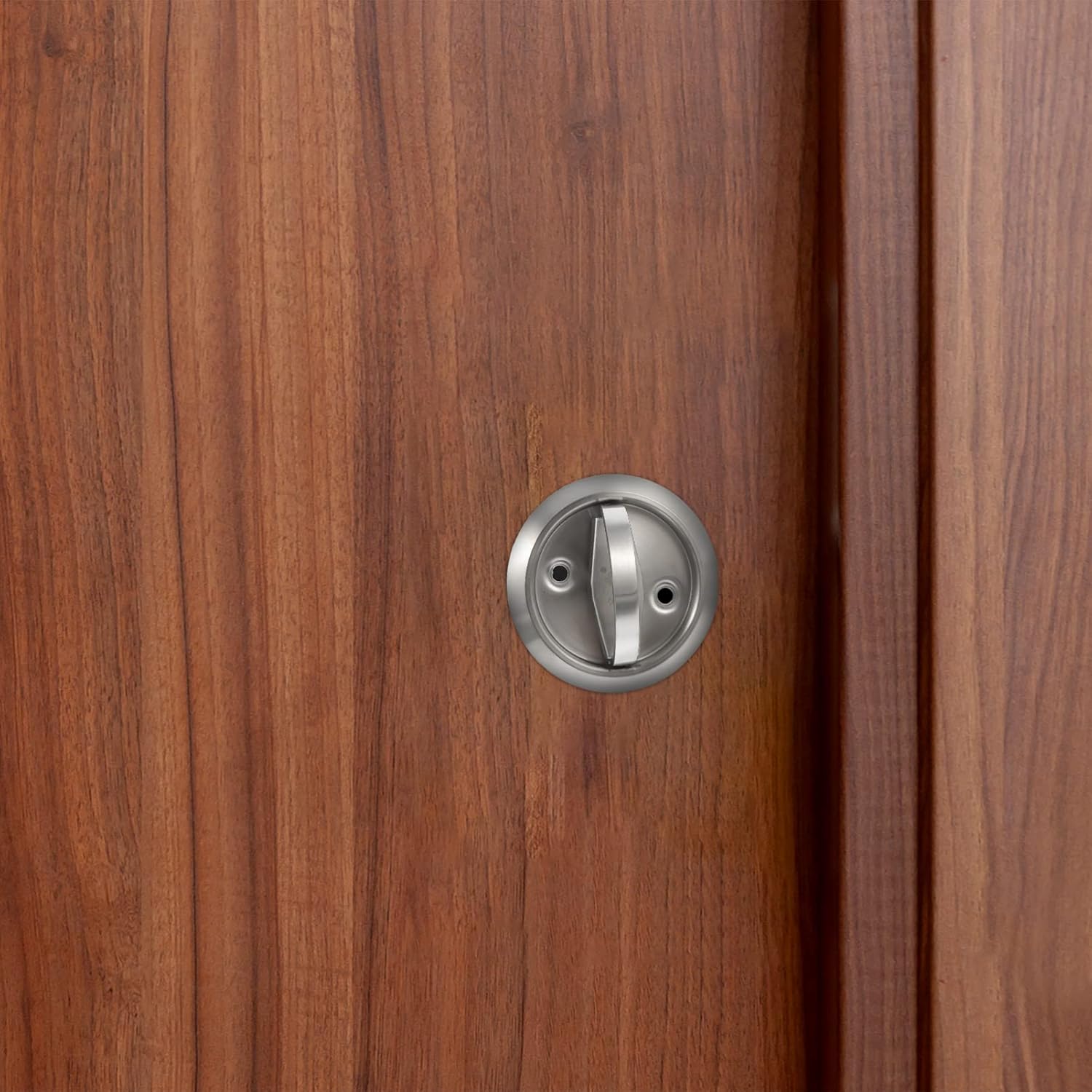
Figure 6.2: The recessed cup lock installed on a wooden door.

Figure 6.3: The recessed cup lock installed on a white door, interior view.
7. Ọrụ
The DOITOOL Recessed Cup Lock is designed for simple and intuitive operation, primarily for privacy on interior doors.
- Iji kpọchie: From the interior side of the door, rotate the small lever or knob within the recessed cup. This will extend the latch bolt into the strike plate, securing the door.
- Ka ịkpọghee: Rotate the lever or knob back to its original position. This will retract the latch bolt, allowing the door to open.
This lock typically operates from one side (the interior) for privacy, meaning it cannot be locked or unlocked from the exterior without a special tool or emergency release mechanism (if applicable to your specific model).
8. Nlekọta
Regular maintenance will ensure the smooth operation and longevity of your DOITOOL Recessed Cup Lock.
- Nhicha: Wipe the visible surfaces of the lock with a soft, damp cloth. Avoid abrasive cleaners or harsh chemicals, as these can damage the stainless steel finish.
- mmanu mmanu: Periodically apply a small amount of silicone-based lubricant to the moving parts of the latch mechanism to ensure smooth operation. Do not use oil-based lubricants, as they can attract dust and grime.
- Lelee skru: Periodically check all mounting screws for tightness. Retighten if necessary to prevent the lock from becoming loose.
- Nyochaa maka eyi: Inspect the latch bolt and strike plate for any signs of wear or damage. If significant wear is observed, consider replacing the affected components.
9. Nchọpụta nsogbu
If you encounter issues with your DOITOOL Recessed Cup Lock, refer to the following common problems and solutions:
| Nsogbu | Ihe nwere ike ime | Ngwọta |
|---|---|---|
| Lock is stiff or hard to operate. | Lack of lubrication, dirt buildup, misaligned components. | Apply silicone lubricant to moving parts. Clean any visible dirt. Check alignment of lock body and strike plate. |
| Door does not lock or latch properly. | Strike plate misalignment, door swelling/shrinking, loose lock body. | Adjust the position of the strike plate. Ensure the lock body is securely fastened. Check if the door itself is warped. |
| Lock feels loose in the door. | skru na-agbago rụrụ arụ. | Tighten all mounting screws on the lock body and faceplate. |
| Scratches or discoloration on the finish. | Abrasive cleaning agents, physical damage. | Use only soft cloths and mild cleaners. Minor scratches may be buffed with a stainless steel polish. |
10. Akwụkwọ ikike na nkwado
DOITOOL products are manufactured to high-quality standards. For specific warranty information, please refer to the product packaging or contact your retailer. If you require further assistance or have questions not covered in this manual, please contact DOITOOL customer support through the retailer's platform or the official DOITOOL websaịtị.