
Okwu mmalite
This manual provides essential information for the safe and efficient use of your Walfront 5V 500mA 2.5W Mini Polycrystalline Solar Panels. These panels are designed for various low-power applications, including DIY projects, experimental setups, and powering small electronic devices. Please read these instructions thoroughly before installation and operation.
Njirimara ngwaahịa
- Akụkụ: Approximately 130 x 150 mm (5.1 x 5.9 inches) with a 2 mm (0.08 inches) thickness.
- Ogologo eriri USB: 100 cm (39.4 inches) pre-attached cable.
- Nrụ ọrụ Voltage: DC 5V
- Na-arụ ọrụ ugbu a: 0.5A (500mA)
- Ike kacha 2.5W
- Ihe: Polysilicon
- High conversion efficiency and power output.
- Effective performance in low-light conditions.
- Weather-resistant design, suitable for snow and wind.
- Easy to install for DIY projects.
- Ideal for solar lawn lamps, solar landscape lights, solar mobile phone chargers, solar flashlights, and various small solar toys.
Ihe ngwugwu
- 2 x Walfront 5V 500mA 2.5W Mini Polycrystalline Solar Panels
Ozi nchekwa
- Do not attempt to disassemble or modify the solar panels.
- Avoid direct contact with the electrical terminals when the panel is exposed to light.
- Ensure proper polarity when connecting to devices. Incorrect polarity can damage the connected device or the solar panel.
- Keep the panels away from flammable materials.
- Do not immerse the panels in water. While weather-resistant, they are not designed for submersion.
- Handle with care to avoid physical damage to the panel surface.
Melite
The Walfront mini solar panels are designed for straightforward integration into various projects.
1. Iwepu ngwongwo
Carefully remove the solar panels from their packaging. Inspect for any visible damage.
2. Ntinye
For optimal performance, position the solar panel in a location that receives maximum direct sunlight throughout the day. Avoid shaded areas. The panel should be angled towards the sun for best efficiency.

Image: Two Walfront mini solar panels connected to a breadboard and multimeter, demonstrating their use in a garden for experimental power.
3. Njikọ Ọdụdọ
Each solar panel comes with a pre-attached cable. The red wire typically indicates the positive (+) terminal, and the black wire indicates the negative (-) terminal.
- Connect the red wire to the positive input of your device or charging circuit.
- Connect the black wire to the negative input of your device or charging circuit.
- Gbaa mbọ hụ na njikọ niile echekwabara na mkpuchi mkpuchi iji gbochie obere sekit.

Foto: N'azụ view of a Walfront mini solar panel, highlighting the attached red (positive) and black (negative) connection wires.
Ntuziaka ọrụ
Once properly set up, the solar panels will begin generating electricity when exposed to sunlight.
1. Power Generation
The panels convert sunlight into DC electrical energy. The output voltage and current will vary depending on the intensity of the sunlight and the load connected.
2. Arụmọrụ Kachasị Mma
For maximum power output, ensure the panels are clean and positioned directly facing the sun. Any shading, even partial, can significantly reduce efficiency.
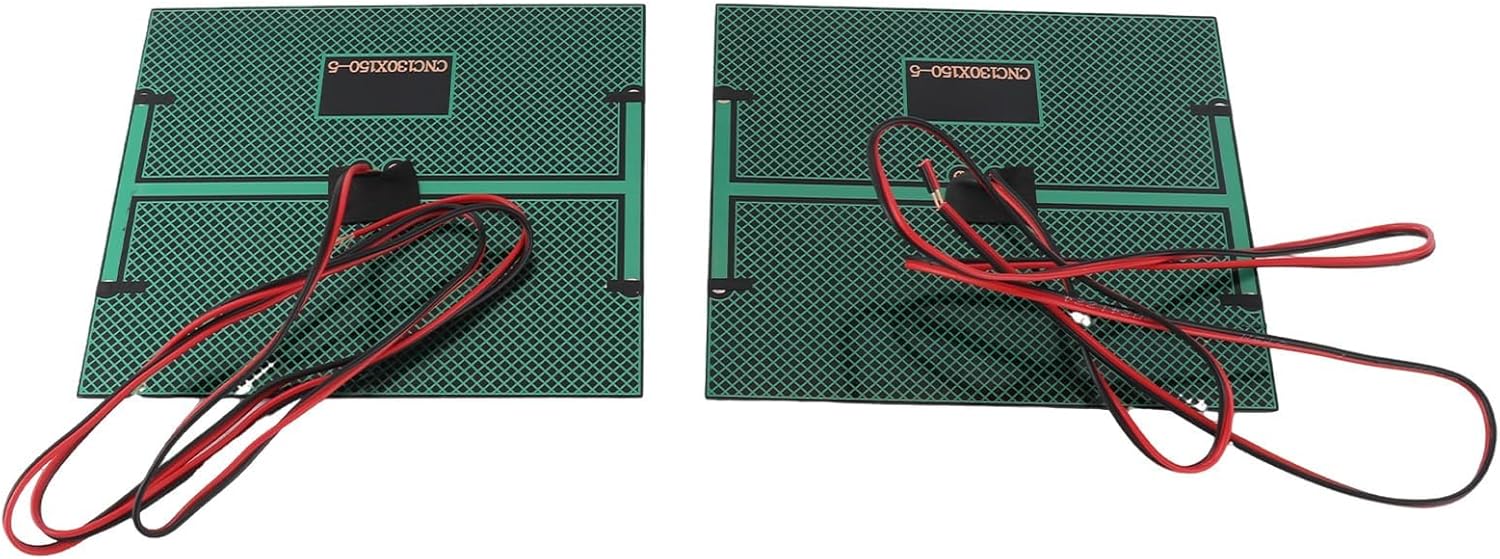
Foto: N'ihu view of two Walfront mini solar panels, showcasing their polycrystalline solar cells.
3. Ngwa
These panels are suitable for:
- Powering small DC motors or fans.
- Charging small batteries (requires a charge controller, not included).
- Educational projects and scientific experiments.
- DIY solar lighting or small electronic devices.
Nlekọta
Minimal maintenance is required for these solar panels.
- Nhicha: Regularly wipe the surface of the solar panels with a soft, damp cloth to remove dust, dirt, or debris. A clean surface ensures maximum light absorption and efficiency. Do not use abrasive cleaners or harsh chemicals.
- Nyocha: Periodically check the cables and connections for any signs of wear, damage, or corrosion. Ensure connections remain secure.
- Nchekwa: If storing the panels for an extended period, keep them in a dry, cool place away from direct sunlight and extreme temperatures.
Nchọpụta nsogbu
If your solar panels are not performing as expected, consider the following:
Enweghị mpụta ike
- Check Sunlight: Ensure the panels are receiving direct, unobstructed sunlight. Even partial shading can drastically reduce output.
- Elu dị ọcha: Verify that the panel surface is clean and free of dirt, dust, or obstructions.
- Lelee njikọ: Inspect all wiring for loose connections, incorrect polarity, or damage.
- Jiri Multimeter nwalee: Jiri multimeter tụọ voltage output of the panel directly under sunlight. A 5V panel should show approximately 5V or slightly higher (open circuit voltage) in good sunlight.
Mpụta ike dị ala
- Angle and Orientation: Adjust the panel's angle and orientation to face the sun directly.
- Okpomọkụ: Extreme temperatures can affect solar panel performance.
- Cloud Cover: Overcast conditions will naturally reduce power output.
- Dakọtara ibu: Ensure the connected device's power requirements are within the panel's capacity (5V, 500mA, 2.5W).
Nkọwapụta
| Njirimara | Nkọwa |
|---|---|
| Nọmba nlereanya | 5V500MA |
| Ihe onwunwe | Polysilicon |
| Akụkụ (L x W x H) | Ihe dị ka 130 x 150 x 2 mm (5.1 x 5.9 x 0.08 sentimita asatọ) |
| Ogologo eriri USB | 100 cm (39.4 sentimita) |
| Nrụ ọrụ Voltage | DC 5V |
| Na-arụ ọrụ ugbu a | 0.5A (500mA) |
| Ike kacha | 2.5W |
| Ịrụ ọrụ | 16-18% |
| Mmepụta Njikọ | Bare wire leads (Red for positive, Black for negative) |
Ozi akwụkwọ ikike
Walfront products typically come with a standard manufacturer's warranty. For specific warranty details, including duration and coverage, please refer to the product packaging or contact Walfront customer support directly. Keep your proof of purchase for warranty claims.
Ozi nkwado
For technical assistance, troubleshooting not covered in this manual, or general inquiries, please visit the official Walfront websaịtị ma ọ bụ kpọtụrụ ngalaba ọrụ ndị ahịa ha.
Websaịtị: www.walfront.com
Email: support@walfront.com