
Gzunelic led86+W
Gzunelic 9500 Lumens Android WiFi Projector User Manual
Model: led86+W
1. Okwu mmalite
Thank you for choosing the Gzunelic 9500 Lumens Android WiFi Projector. This projector is designed for home entertainment, offering a bright, high-definition viewing experience with versatile connectivity options. Featuring a native 1080p resolution, Android operating system, and wireless mirroring capabilities, it provides a comprehensive solution for your multimedia needs. This manual will guide you through the setup, operation, and maintenance of your new projector.
2. Ozi nchekwa
- Ensure proper ventilation around the projector to prevent overheating. Do not block ventilation openings.
- Jiri naanị ihe nkwụnye ike enyere na ihe ngosi ahụ.
- Zere ile anya ozugbo na oghere projector mgbe lamp dị na ya, ebe ọ bụ na ìhè na-egbuke egbuke nwere ike imebi anya.
- Etinyela ihe ngosi ahụ n'elu ebe ndị na-adịghị akwụsi ike.
- Debe ihe ngosi ahụ ka ọ ghara ịnọ na mmiri ma ọ bụ ihe ndị ọzọ dị n'ime ya.
- Wepụ ihe mkpuchi projektọ ahụ n'oge oké ifufe ma ọ bụ mgbe ejiri ya ruo ogologo oge.
- Do not attempt to repair the projector yourself. Refer all servicing to qualified personnel.
3. Kedu ihe dị na Igbe ahụ
- Gzunelic 9500 Lumens Android WiFi Projector
- Igwe ọkụ ọkụ
- Njikwa anya
- HDMI USB
- USB VGA
- Akwụkwọ ntuziaka (akwụkwọ a)
4. Ngwaahịa gafereview
4.1 Akụkụ anụ ahụ

Foto 4.1: N'ihu view of the Gzunelic Projector, highlighting the lens and ventilation.

Foto 4.2: Dị iche iche views of the projector, including top, front, left, right, and back, showing its compact design.
The Gzunelic projector features a sleek design with a prominent lens at the front. It includes a robust cooling system with ventilation grilles on the sides and back to ensure stable operation.
4.2 Ogwe njikwa

Foto 4.3: Top-mounted control panel with navigation and function buttons.
The control panel is located on the top of the projector, providing easy access to essential functions. It includes directional buttons for navigation, an OK button for selection, a power button, and menu/return buttons.
4.3 ọdụ ụgbọ mmiri ntinye / mmepụta

Foto 4.4: N'azụ view showing the comprehensive array of input and output ports.
The projector offers a wide range of connectivity options on its rear panel, including:
- VGA ọdụ ụgbọ mmiri: For connecting to older computers or laptops.
- 2 x USB Ports: For connecting USB drives, external hard drives, mouse, or keyboard.
- 2 x HDMI Ports: For connecting modern devices like PCs, laptops, set-top boxes, gaming consoles (PS3/PS4/Xbox), and DVD players.
- Njikọ Ethernet: Maka njikọ ịntanetị ejikọrọ.
- Ọdụ ụgbọ mmiri AV: For connecting older video sources.
- 3.5mm ọdụ ụgbọ mmiri: Maka ijikọ ekweisi ma ọ bụ igwe okwu mpụga.
The projector also supports Wi-Fi for direct signal connection and Bluetooth for wireless audio output.
4.4 Ndozi elu

Foto 4.5: Adjustable foot for precise height and projection angle alignment.
An adjustable foot is located on the underside of the projector, allowing you to fine-tune the projection angle and height for optimal image alignment on your screen or wall.
5. Nhazi
- Nkwanye: Position the projector on a stable, flat surface. Ensure there is adequate space around the projector for ventilation. For ceiling mounting, use the four holes on the bottom of the unit.
- Njikọ ike: Jikọọ eriri ọkụ eletrik ahụ na ntinye ike nke ihe ngosi ahụ wee jikọọ na ebe a na-etinye ọkụ eletrik.
- Ike Na: Pịa bọtịnụ ike dị na projector ma ọ bụ njikwa ime ka ịgbanwuo ngwaọrụ ahụ.
- Gbanwee Ogologo: Use the adjustable foot at the front of the projector to raise or lower the front of the unit, aligning the projected image with your screen.
- Ndozi anya: Rotate the focus ring around the lens until the projected image appears sharp and clear.
- Ndozi isi okwu: Adjust the keystone correction dial (if available) to correct any trapezoidal distortion in the image, ensuring a rectangular projection.
6. Ntuziaka ọrụ
6.1 Basic Arụmọrụ
- Gbanyụọ/ Gbanyụọ: Press the power button once to turn on. Press and hold the power button for a few seconds to initiate shutdown.
- Ntugharị: Use the directional buttons on the control panel or remote to navigate through menus. Press 'OK' to select.
- Nhọrọ isi mmalite: From the main menu, select "Signal Source" to choose your input (HDMI, VGA, AV, etc.).
6.2 Ngwa jikọọ
The projector supports various wired and wireless connections:
- HDMI/VGA/AV: Connect your PC, laptop, gaming console, or DVD player using the respective cables to the corresponding ports on the projector.
- USB: Insert a USB flash drive or external hard disk into a USB port to play media files directly. You can also connect a USB mouse or keyboard for easier navigation within the Android OS.
- Ethernet: Connect an Ethernet cable to the port for a stable wired internet connection.
- Wi-Fi: Navigate to the projector's settings menu to connect to your wireless network.
- Bluetooth: To connect a Bluetooth speaker, go to the settings menu, enable Bluetooth, and pair with your speaker. If using a wired external speaker, connect it via the 3.5mm audio port and set the sound output to "line out" in the Android settings.
6.3 Android OS and Wireless Mirroring
Foto 6.1: The Android OS home screen displaying available applications.
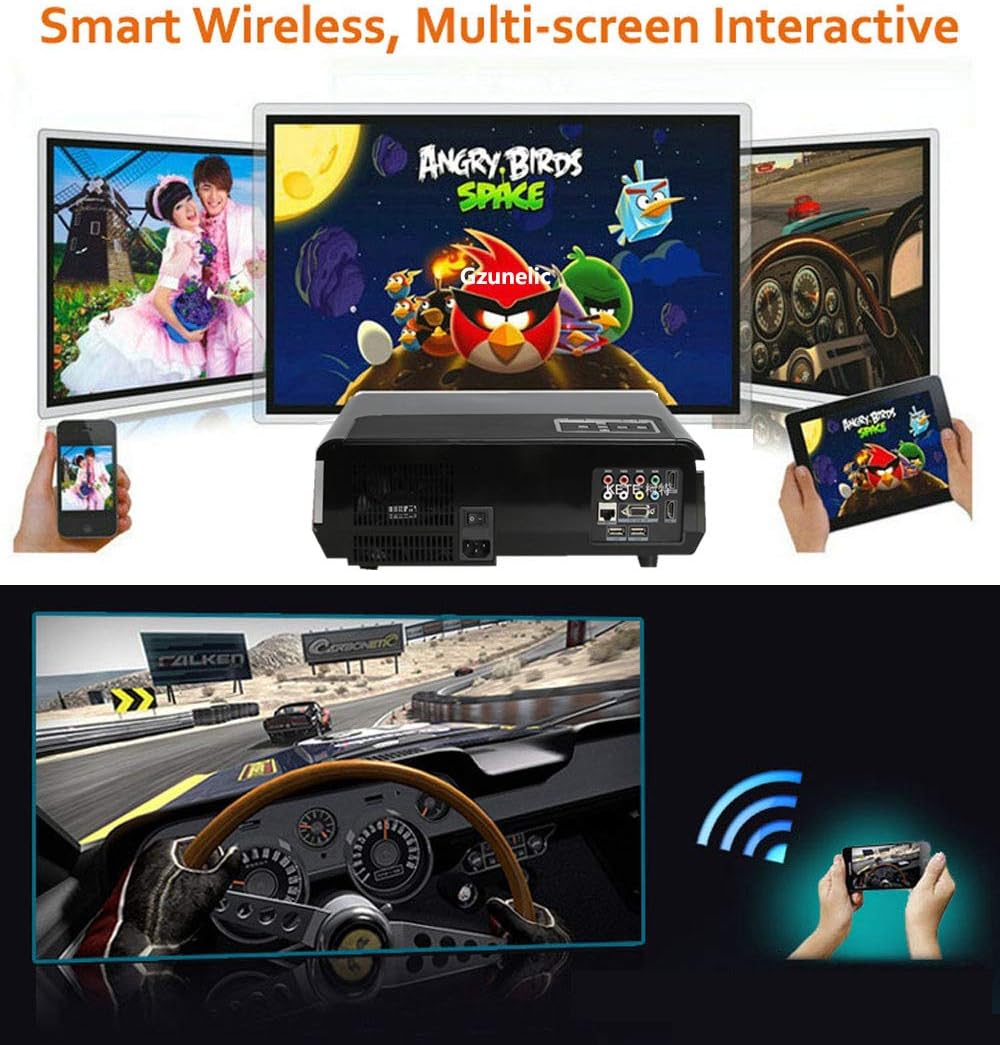
Foto 6.2: Illustration of wireless mirroring from smartphones and tablets to the projector.
The projector runs on an Android operating system, allowing direct access to online content, shopping, and games. You can navigate using the remote control or by connecting a USB mouse/keyboard.
- Screen Mirroring (Airplay/Miracast): On the projector's Android home page, locate and click the "Screening Assistant" app. Follow the on-screen instructions to connect your phone via Airplay (for iOS devices) or Miracast (for Android devices). Ensure both your phone and the projector are connected to the same Wi-Fi network.
- Ngwa etinyegoro mbụ: Access apps like YouTube, Aptoide TV, and WPS Office directly from the home screen for various entertainment and productivity functions.
6.4 Video ngosi ngwaahịa
Vidio 6.3: A brief demonstration video showcasing the Gzunelic projector in operation. This video provides a visual overview of the projector's capabilities and image quality.
7. Nlekọta
- Na-ehicha oghere: Use a soft, lint-free cloth specifically designed for optical lenses to gently wipe the projector lens. Avoid using abrasive cleaners or cloths that could scratch the lens.
- Na-ehicha Mpụga: Wipe the projector's exterior with a soft, dry cloth. For stubborn dirt, a slightly damp enwere ike iji akwa mee ihe, mana hụ na mmiri adịghị abanye na ngwaọrụ ahụ.
- Igwe ikuku: Regularly check and clean the ventilation openings to prevent dust buildup, which can impede airflow and cause overheating. Use a soft brush or compressed air to clear dust.
- Nchekwa: When not in use for extended periods, store the projector in a cool, dry place, ideally in its original packaging or a protective case, to prevent dust accumulation and physical damage.
8. Nchọpụta nsogbu
| Nsogbu | Ihe nwere ike ime | Ngwọta |
|---|---|---|
| Ọnweghị onyonyo atụpụtara | Power not connected; Incorrect input source; Device not powered on. | Check power cable and outlet; Select correct input source (HDMI, VGA, AV); Ensure connected device is on. |
| Onyonyo na-adịghị ahụkebe | Out of focus; Incorrect keystone adjustment; Projector too close/far from screen. | Adjust focus ring; Adjust keystone correction; Reposition projector for optimal distance. |
| Enweghị ụda | Volume too low/muted; Incorrect audio output setting; External speaker not connected/paired. | Increase volume, unmute; Check audio settings (e.g., set to "line out" for wired external speakers); Ensure Bluetooth speaker is paired. |
| Wireless mirroring not working | Not on same Wi-Fi network; "Screening Assistant" not active. | Ensure both devices are on the same Wi-Fi network; Open "Screening Assistant" app on projector and follow instructions. |
| Projector turns on by itself | Possible software glitch or power issue. | Unplug the projector from the wall to fully power cycle it. If the issue persists, contact customer support. |
9. Nkọwapụta
| Ụdị | Gzunelic |
| Nọmba nlereanya | led86+W |
| Icha ọkụ | 9500 lumens LED light utilization efficiency |
| Mkpebi obodo | 1920 x 1080 (Full HD), supports 2K/4K (limited to 100Mbps, 60Hz) |
| Ọnụọgụ ọdịiche | 10000:1 |
| Sistemụ nrụọrụ | Android OS |
| Teknụzụ Njikọta | Ethernet, Wireless (Wi-Fi), Bluetooth, 2x HDMI, 2x USB, AV, VGA, 3.5mm Audio |
| Akụkụ ngwaahịa | 13.77 x 10.82 x 5.51 sentimita asatọ |
| Ibu Ibu | 8.5 pound |
| Ogologo ihuenyo a na-ahụ anya | Up to 300 inches / 762 cm |
10. Akwụkwọ ikike na nkwado
Gzunelic offers comprehensive support for your projector:
- Iwu nloghachi: 6 Months Return for Full Payment Refund.
- Amụma nnọchi: 1 Year Free Replacement.
- Ọrụ ndozi: 3 Years Repair service available at our repair center in LA, United States.
- Nkwado ndị teknuzu: Lifetime professional technical support.
For any problems or questions, please feel free to contact us. We aim to reply within 24 hours.
Ask a question about this manual
Ask about setup, troubleshooting, compatibility, parts, safety, or missing instructions. Manuals+ will review the question and use this page’s manual context to help answer it.